By Daniel Agbesi Latsu
Kadjebi (O/R), Nov. 25, GNA – The Kadjebi District Assembly in the Oti Region has distributed some communal skips and dustbins to support effective waste management and promote environmental cleanliness in the district.
The sanitation equipment, procured with funding from the District Assemblies’ Common Fund (DACF), was handed over to the District Environmental Health Office for onward distribution to selected electoral areas and schools through Zoomlion Ghana Limited.
Speaking during the presentation, Dr Alhaji Sam Issaka Suraj, the Kadjebi District Chief Executive (DCE), urged residents to cultivate the habit of maintaining clean and healthy surroundings to help prevent diseases and enhance public health.
He emphasised that environmental sanitation was a shared responsibility and called on community members to make cleanliness an integral part of their daily lives.
Dr Suraj noted that the importance of a clean environment could not be overemphasised because diseases affected both the rich and the poor alike.
He advised residents to dispose of waste properly and avoid indiscriminate dumping of refuse, warning that such practices polluted the environment and created breeding grounds for disease-causing organisms.
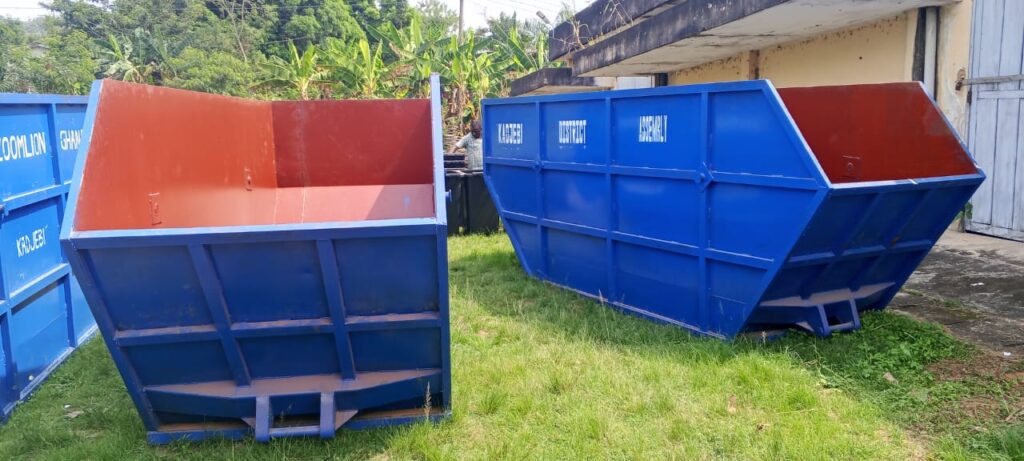
The DCE disclosed that the Assembly planned to procure additional sanitation equipment next year to ensure that all 36 electoral areas in the district benefited from the initiative.
He appealed to residents, traditional authorities, schools, and other stakeholders to support the Assembly’s sanitation agenda and efforts to maintain a clean and healthy district.
Mr Victus Elorm Kpotosu, the Kadjebi District Environmental Health Officer, expressed appreciation to the Assembly for providing the equipment and assured that it would be used for its intended purpose.
He said the items would be distributed to selected schools and communities to strengthen waste management and improve sanitation standards.
Mr Kpotosu also encouraged residents to keep their surroundings clean and adopt responsible sanitation practices, noting that environmental cleanliness remained crucial for disease prevention.
He said a clean environment contributed to good health, peace, and general well-being, while poor sanitation exposed people to various health risks.
Mr Kpotosu further called on the public to cooperate with sanitation authorities and ensure that refuse was disposed of at designated sites to help keep communities clean.
GNA
Edited by Maxwell Awumah/Lydia Kukua Asamoah