By Jibril Abdul Mumuni
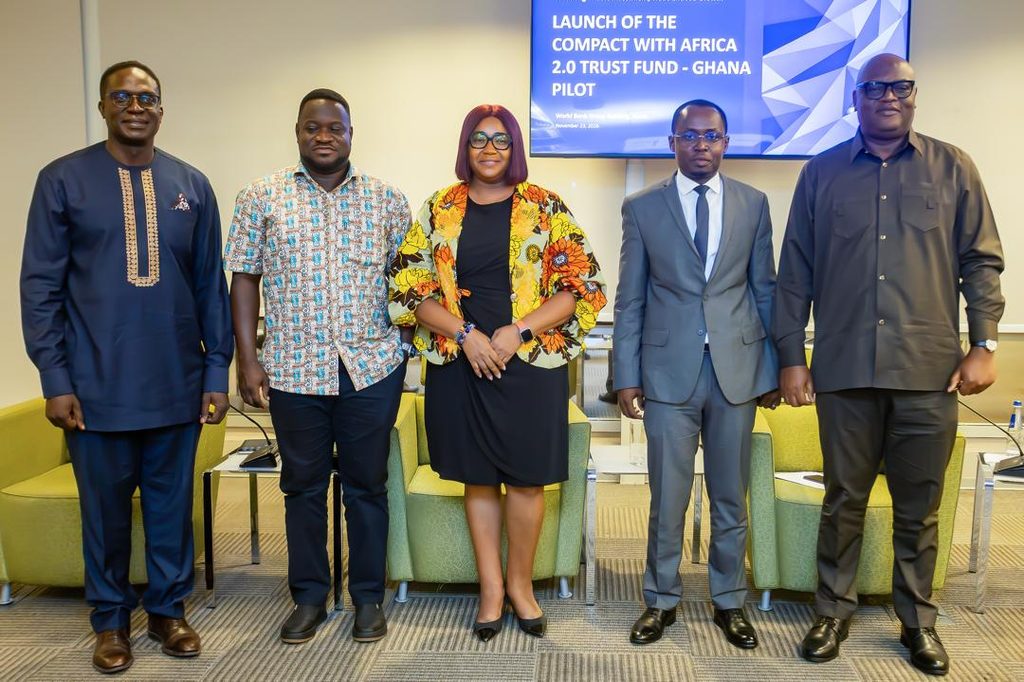
Accra, Nov. 25, GNA – Micro, Small and Medium-sized Enterprises (SMEs) in Ghana are expected to benefit from a new investment and business reform initiative being implemented under the G20 Compact with Africa 2.0.
The initiative, unveiled at the World Bank Group office, seeks to address constraints facing businesses, including regulatory bottlenecks, high logistics costs, limited access to finance and challenges in meeting standards required for regional and global markets.
The G20 Compact with Africa was launched in 2017 under Germany’s G20 Presidency as a partnership between African countries, international financial institutions and development partners to improve conditions for private investment and promote sustainable economic growth.
The move is to attract greater private capital to the continent, complement public investment and support job creation, particularly Africa’s growing youth population and Ghana is among four countries including Angola, Zambia and Egypt selected to pilot the next phase of the programme.
Mrs. Elizabeth Ofosu-Agyare, the Minister for Trade, Agribusiness and Industry, in an address, said the programme aligned with government’s efforts to remove barriers to investment and improve the operating environment for businesses
She said many enterprises continued to face challenges such as slow approval processes, high transport costs and difficulties accessing new markets, underscoring the need for targeted reforms.
According to the Minister, the government was implementing reforms through the Ghana Investment Promotion Authority and had developed a proposed business-related reform bill to reduce overlapping regulatory requirements and simplify procedures for investors.
“The Compact can help our institutions apply these reforms so that an investor experiences a smoother process,” she said.
Mrs. Ofosu-Agyare said the initiative would also support implementation of the national trade policy and help Ghana maximize opportunities under the African Continental Free Trade Area through improvements in trade facilitation, standards, services and digital trade.
Mr. Rob Taliercio, the Country Director of the World Bank Group for Ghana, Liberia and Sierra Leone, said SMEs stood to gain significantly from reforms and investments being pursued under the programme.
He noted that while Ghana had strong foundations for private sector-led growth, including a strategic location, an entrepreneurial business community and the presence of the AfCFTA Secretariat, SMEs continued to struggle with regulatory uncertainty, financing constraints and high trade and logistics costs.
He said findings from ongoing World Bank assessments suggested that the key challenge facing many Ghanaian firms was not business creation but business growth.
He explained that the Compact with Africa 2.0 Multi-Donor Trust Fund would support participating countries to undertake business-enabling reforms, mobilize private investment and develop commercially viable opportunities capable of attracting capital.
The programme would focus on four priority areas in Ghana: trade policy, investment climate reforms, preparation of transport corridor investments and improving competitiveness in light manufacturing, particularly textiles and garments.
He said success would be measured by whether reforms became operational, and firms, including SMEs, were able to grow, export and create jobs.
GNA
Edited by Bertha Badu-Agyei/Benjamin Mensah
Reporter: Jibril Abdul Mumuni
Email address: [email protected]