By Edward Acquah, GNA
Accra, Nov. 26, GNA – Biodiversity experts have called for a nationally coordinated information system to improve data management, strengthen conservation efforts and support evidence-based decision-making in Ghana.
They said fragmented biodiversity data across institutions, gaps in species and geographical information, and inadequate funding were undermining efforts to monitor and protect the country’s natural resources.
The experts said bringing existing datasets together through a centralised system would improve national reporting, guide policy and investment decisions, and help communities benefit sustainably from biodiversity resources.
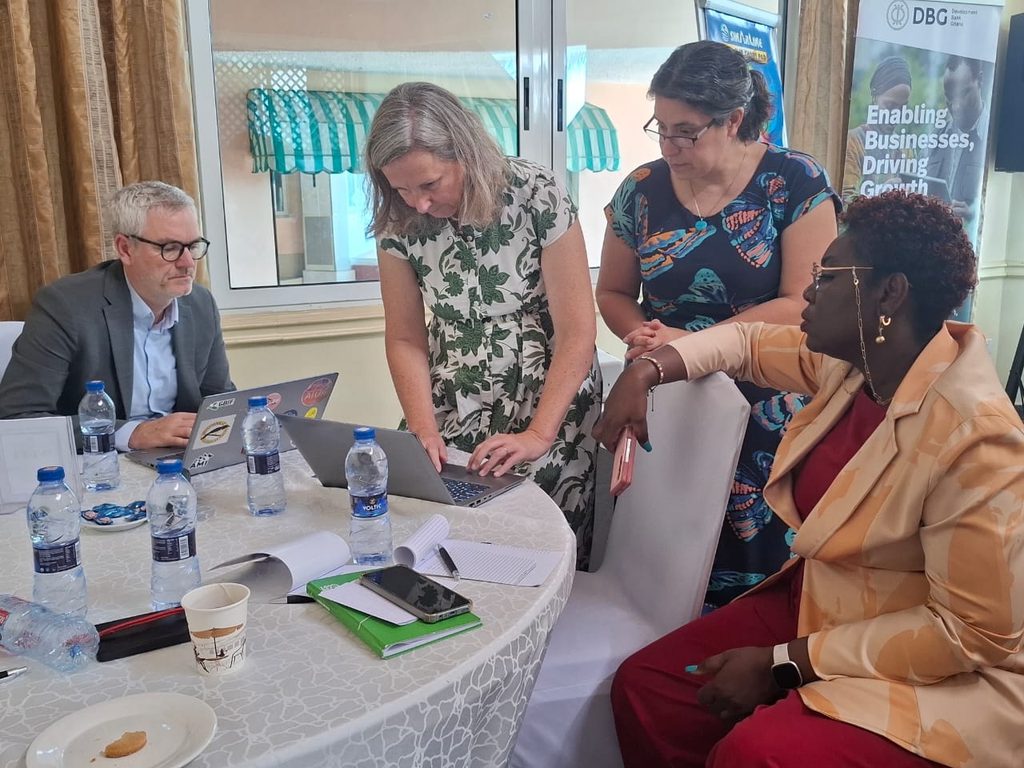
They made the call at a High-Level National Workshop on a Framework for Coordinating Biodiversity Information Systems in Ghana, held in Accra on Thursday.
The workshop was organised by a consortium comprising UNESCO, the Ministry of Environment, Science and Technology, Development Bank Ghana, the Environmental Protection Agency and the UK Centre for Ecology and Hydrology.
Professor Helen Roy, Principal Scientist at the UK Centre for Ecology and Hydrology and Professor of Ecology at the University of Exeter, said Ghana had considerable biodiversity information, but the data remained scattered across different institutions and platforms.
She said there were also gaps in knowledge about some species and geographical areas, making it difficult to obtain comprehensive information for national reporting and planning.
“The value of it brought together will be far greater than the value of the parts left separately,” she said, stressing the need for sustained funding and collaboration among institutions to establish an effective system.
Professor Roy said the information gathered should support Ghana’s reporting on progress towards global biodiversity targets, as well as national and local development planning.
Madam Melody Esiawonam Boateng, National Professional Officer for the Sciences Sector at UNESCO, said stakeholder consultations conducted in 2025 identified fragmentation, weak data interoperability and the absence of a national coordination mechanism as major challenges.
She said the proposed system would provide a framework for managing and sharing biodiversity information while supporting conservation, research and sustainable community development.
“If we don’t know what we have, how do we protect it? If we don’t know what we have, how do we design interventions?” she asked, urging government, the private sector, research institutions and development partners to contribute to biodiversity conservation.
Dr Enoch Appiah, Biodiversity Finance Manager at the United Nations Development Programme (UNDP) Ghana, said reliable biodiversity information was essential for effective financing and planning.
He said the system should serve as a practical resource for decision-makers rather than remain a discussion platform.
“We believe that it should not be just a talk shop, but we should invest resources into it and let it come to fruition,” he said.
Dr Appiah said the UNDP was working with the Ministry of Finance and other relevant ministries to collate government expenditure relating to biodiversity, an exercise that could provide useful experience for biodiversity financing.
The workshop formed part of efforts to develop a nationally owned framework for coordinating biodiversity data management, sharing and application.
A previous stakeholder workshop and survey conducted in April 2025 identified fragmented data systems, limited institutional capacity, inadequate financing and weak interoperability among existing databases as major constraints.
The Thursday workshop sought to build consensus on a governance model, institutional responsibilities, sustainable financing and an implementation roadmap for the proposed Biodiversity Information System.
GNA
Edited by Kenneth Odeng Adade
Reporter: Edward Acquah