By Kodjo Adams, GNA
Accra, Nov.14, GNA – Professor Martin Odei Ajei, a lecturer at the Department of Philosophy and Classics, University of Ghana, has called on Ghanaians to draw lessons from the political and philosophical legacies of Dr J.B. Danquah and Dr Kwame Nkrumah to promote national unity and democratic development.
He said the country must move beyond the historical political divisions associated with the two statesmen and embrace a culture of democratic reconciliation that prioritises national interest over partisan differences.
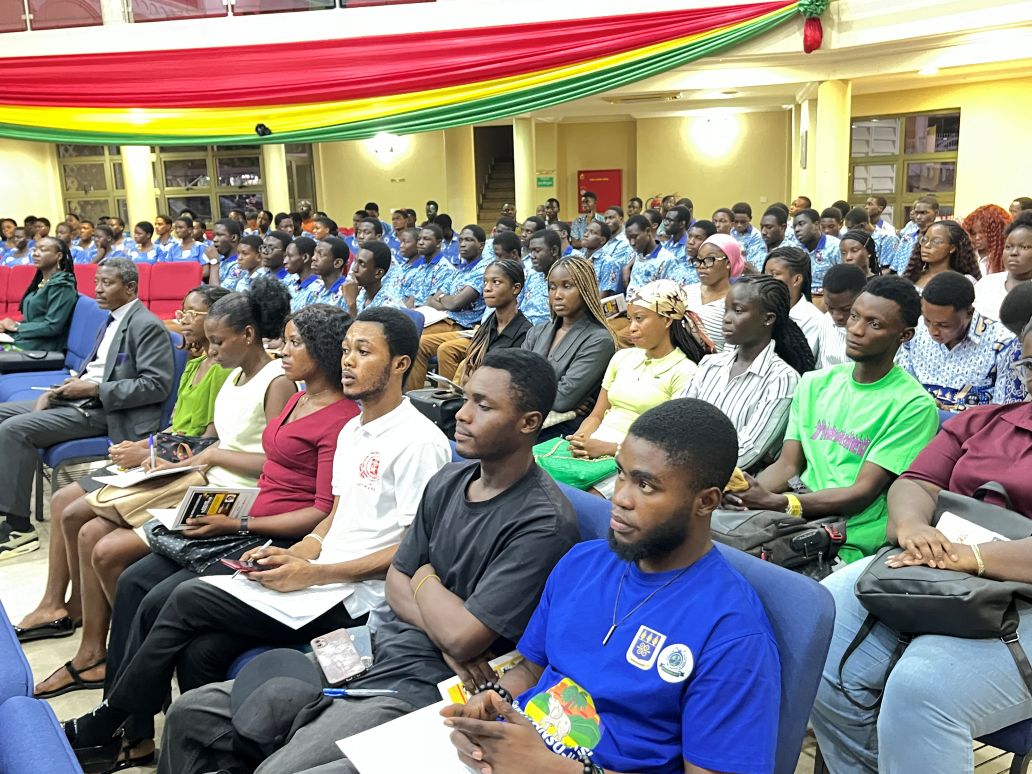
Delivering a lecture on the topic: “J.B. Danquah and Kwame Nkrumah: Our Political Ancestors, Our Political Future,” Prof. Ajei said the two political figures, despite their ideological differences, shared important philosophical perspectives that could provide valuable guidance for Ghana’s political and constitutional future.
The lecture was organized by the Ghana Aademy of Arts and Sciences in Accra to mark Ghana’s Founders day.
He described democratic reconciliation as a principled approach to politics that allowed people with shared fundamental political values to disagree on institutions, policies and priorities without abandoning their commitment to a common national project.
Prof. Ajei said political parties must be prepared to borrow and continue policies initiated by their opponents where such policies served the national interest, rather than dismissing them because of their ideological origins.
He cited historical examples of political cooperation, including the involvement of J.H. Mensah in the formulation and implementation of the Seven-Year Development Plan, as evidence that political differences should not prevent collaboration on national development.
He said Ghana’s political history should be treated as a shared intellectual inheritance rather than a battleground for competing political traditions.
The lecturer called for a reconsideration of the decision to remove the images of the Big Six from Ghana’s currency, arguing that their collective representation symbolised democratic conciliation and the shared foundations of the country’s political history.
He appealed to President John Dramani Mahama to reconsider the decision, saying the collective recognition of the Big Six offered an important opportunity to educate younger generations about the country’s political beginnings and the importance of national unity.
On constitutional reforms, Prof. Ajei said the philosophical contributions of Danquah and Nkrumah could help Ghana develop a constitutional framework that went beyond electoral democracy to address the social and economic well-being of citizens.
He argued that legitimate democratic governance must satisfy two complementary requirements: political power must be acquired and exercised through justifiable democratic procedures, and such power must be directed towards securing the material and social conditions necessary for citizens to flourish.
He said the ongoing constitutional reform process presented an opportunity to reconsider the philosophical foundations of Ghana’s democratic system.
Prof. Ajei observed that although the Constitution Review Committee and various civil society organisations had made significant proposals towards improving the 1992 Constitution, most of the recommendations remained within its existing liberal political and constitutional framework.
He said the reform process must go further by examining the moral and philosophical foundations of political society and the responsibilities of the state towards citizens.
According to him, the concept of developmental democracy must be central to the constitutional reform agenda, with sustained improvements in social justice, equality and the material and non-material well-being of citizens serving as important measures of democratic success.
He explained that regular elections and peaceful transfers of political power, although essential, did not automatically translate into improved socioeconomic conditions for the population.
Prof. Ajei said the philosophical traditions of Danquah and Nkrumah offered important perspectives on human dignity, the social foundations of individual flourishing, the moral purposes of political society and the responsibility of the state in advancing the common good.
GNA
Edited by Kenneth Odeng Adade
Reporter: Kodjo Adams
Email:[email protected]