By Laudia Anyorkor Nunoo, GNA
Tema, Oct. 19, GNA – West African countries need to improve coordination and connect their digital systems across ports and trade corridors to enhance efficiency and facilitate regional trade, Mr Satya Sahu, Senior Trade Facilitation Specialist at the World Bank Group, has said.
Mr Sahu stated that the successful digitalisation of ports depended not only on introducing new technology but also on ensuring that institutions, processes and people worked together effectively.
Speaking at an International Maritime Organization (IMO)-World Bank workshop on Maritime Single Windows and Port Community Systems in Tema, he said many ports had digitised individual processes without adequately connecting the different systems.
He explained that this often resulted in shipping lines, port authorities, customs agencies, and other stakeholders entering the same information into multiple platforms, undermining the benefits of digitalisation.
Mr Sahu said a Maritime Single Window provided a coordinated digital platform for the formalities associated with ships arriving at, staying in and departing from ports, while a Port Community System connected the wider port and logistics community to facilitate the movement of vessels, cargo and containers.
He stressed that the two systems served different but complementary functions and should not be treated merely as information technology projects.
According to him, effective implementation required clear institutional responsibilities, an enabling legal and regulatory framework, common data standards, and systems capable of securely exchanging information.
He said private-sector operators, including shipping lines, terminal operators, freight forwarders and transport companies, needed to be involved in the process because they were integral members of the port community.
Mr Sahu said digital integration should also extend beyond individual ports to customs clearance, logistics providers and trade corridors, creating opportunities to strengthen connectivity between countries.
He noted that countries did not necessarily need to adopt identical digital platforms but required systems capable of communicating with one another through internationally recognised standards.
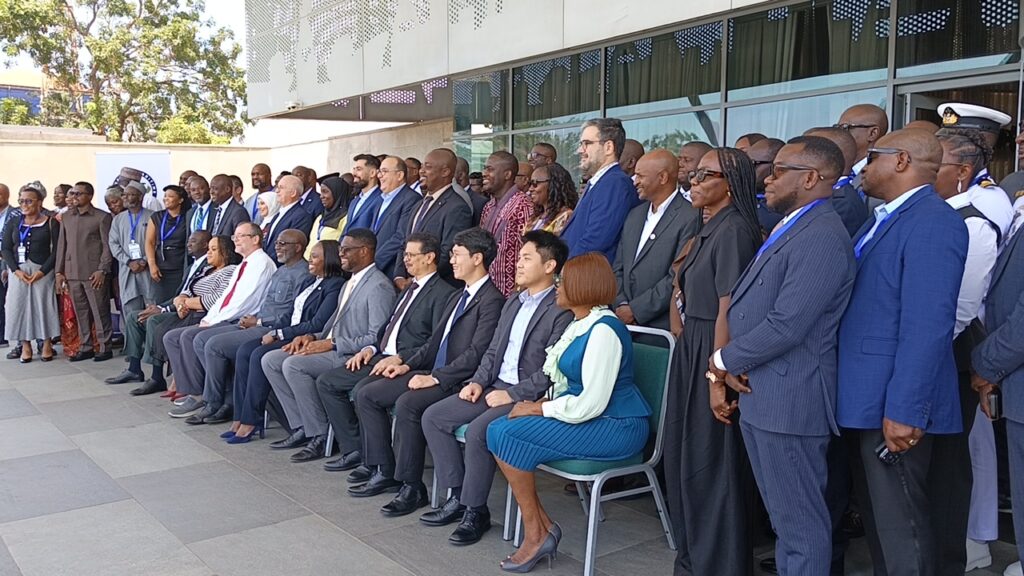
The workshop, he said, provided an opportunity for participating countries to share experiences, discuss implementation challenges and learn from one another’s approaches to coordinating institutions and engaging private-sector operators.
Mr Sahu indicated that the ultimate objective of digital transformation was to make trade easier, improve port efficiency, strengthen government controls, and enhance the competitiveness of maritime transport.
He urged stakeholders to prioritise collaboration, governance, skills development, and interoperability to ensure that digital platforms delivered practical benefits to port users and businesses.
GNA
Reporter: Laudia Anyorkor Nunoo, GNA
[email protected]