By Albert Oppong-Ansah, GNA
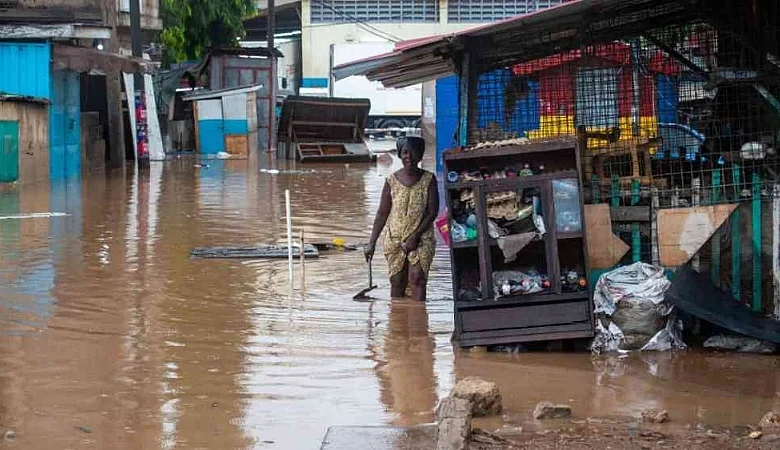
Accra, Oct. 5, GNA – Mr Charles Amissah-Koomson, President of the Architectural Society of Ghana, has warned that uncontrolled urban development and the widespread removal of vegetation could worsen environmental challenges, particularly flooding.
He said rapid construction in urban centres was leading to the indiscriminate felling of trees and insufficient landscaping around buildings, undermining efforts to create sustainable and resilient communities.
Speaking to the Ghana News Agency in an interview on Friday, Mr Amissah-Koomson emphasised the need for stronger collaboration among professionals, developers, government agencies and the public to ensure that urban development was properly planned and environmentally responsible.
“These days, especially in urban areas, people are building without control. Anybody who has money wants to invest in real property, and at the end of the day, you are pulling down trees,” he said.
Mr Amissah-Koomson said the growing dominance of concrete structures and paved surfaces in cities was reducing green spaces and increasing environmental risks, including flooding.
He expressed concern over incidents of building collapses, noting that such occurrences highlighted the need for greater attention to planning, design and construction standards.
Mr Amissah-Koomson urged a return to some of the principles of traditional architecture, particularly designs that maximise natural lighting and ventilation.
He explained that traditional buildings often featured courtyards and open spaces that enhanced airflow and daylight, whereas many modern structures had become heavily reliant on artificial lighting and air-conditioning systems.
“We should not have a building where, when the occupant goes, the whole place is dark. We should not have a system where without air conditioners, we cannot function,” he said.
Mr Amissah-Koomson called on architects and engineers to intensify public education on the long-term implications of construction decisions, stressing that the initial cost of a building should not be the sole consideration.
While some building options might appear less expensive at the outset, he said, they could have adverse effects on occupants’ health and well-being if they resulted in poorly ventilated and unhealthy living or working environments.
He noted that the responsibility of architects extended beyond designing structures to ensuring that buildings provided safe, healthy and functional spaces for people.
“Architects’ duty is to ensure that we have a safe environment for everybody to thrive, especially schools, hospitals and houses. Wherever human beings go to sleep or work for a living, it has to be safe,” he said.
Mr Amissah-Koomson therefore advocated sustained engagement between professionals and the public to promote urban development that balances investment, environmental protection and public safety.
He said such collaboration was essential to addressing challenges associated with flooding, loss of vegetation and unsafe construction, while helping to build healthier, safer and more resilient communities.
GNA
Edited by Agnes Boye-Doe
5 Oct. 2026
Reporter: Albert Oppong-Ansah
Email: [email protected]