By Mildred Siabi-Mensah
Accra, Oct. 21, GNA – A three-year research project into doctoral training models in Ghanaian universities to identify effective practices and recommend reforms to improve upon the quality, efficiency and relevance of PhD education in Africa has begun.
The PhD Models Project: Research and Transformation of Doctoral Practices and Procedures in African Universities would examine doctoral education systems in seven African countries, including Ghana, with a focus on the social sciences, humanities and education.
The study sought to develop a framework to improve upon doctoral training through the identification of effective supervision practices, funding mechanisms, curriculum models and institutional arrangements.
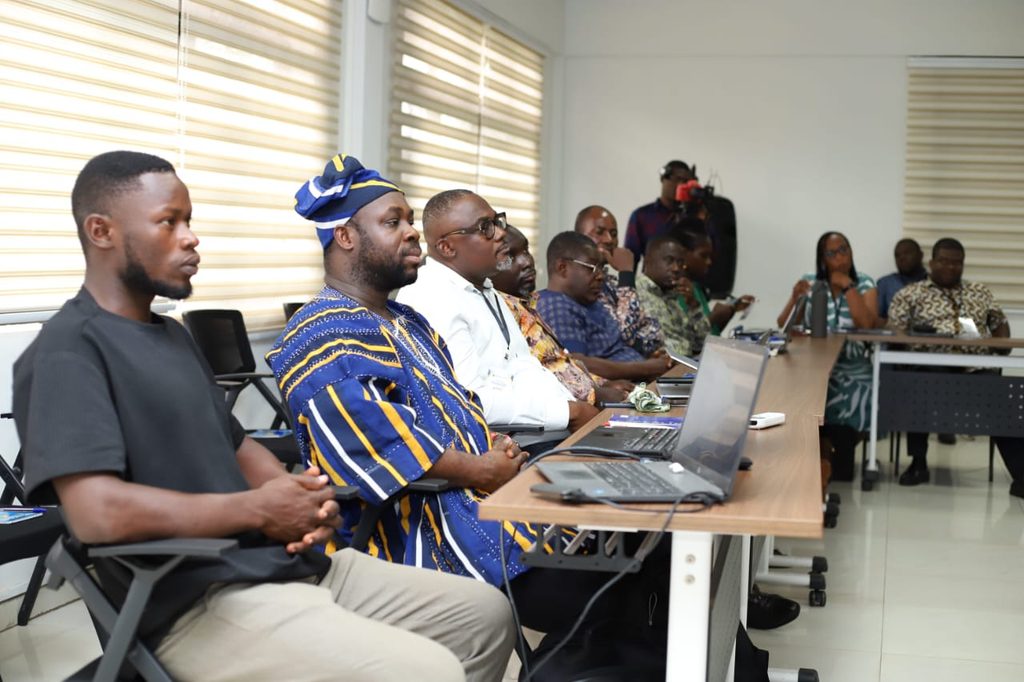
The Ghana country-level inception and stakeholder engagement workshop, organised by the Partnership for African Social and Governance Research (PASGR), brought together policymakers, university leaders, academics, regulatory bodies and other stakeholders to validate preliminary findings and refine the country’s research approach.
Professor Charles Yaw Okyere of the Department of Agricultural Economics and Agribusiness at the University of Ghana is the Principal Investigator, with Dr. Richmond Kingsley Egyei of the Institute of Statistical, Social and Economic Research (ISSER), University of Ghana, serving as Research Associate.
The project is funded by the Andrew Carnegie Foundation, formerly the Carnegie Corporation of New York.
According to the project concept note, Ghana’s doctoral education system was concentrated in a few public research-intensive universities and faced challenges, including limited domestic research funding and inadequate supervisory capacity.
It also identified several doctoral training models operating within the country’s universities, including the traditional thesis-only model, structured PhD programmes, professional doctorates and thesis-by-publication.
These models have emerged in response to institutional priorities, resource availability, international partnerships and changing expectations regarding research quality and graduate employability.
However, nationally comparable data on doctoral completion rates, attrition and time-to-degree remained scarce, making it difficult to benchmark performance across institutions and disciplines.
Evidence on supervisory practices, students’ experiences and the quality of supervision was also limited, despite the importance of these factors to successful doctoral training.
The Ghana study would therefore examine governance arrangements, funding mechanisms, curricula, supervision practices, faculty capacity and research outputs to identify challenges, emerging opportunities and gaps requiring further investigations.
Prof. Okyere said the inception workshop was expected to provide a platform for stakeholders to review the preliminary findings, refine the research questions and agree on the methodological approach for the next phase of the study.
It would also establish a framework for continued stakeholder engagement, including timelines and modalities for data collection, validation and dissemination of findings.
The workshop’s objectives included building consensus on the doctoral training models relevant to Ghana, contextualising the research questions and securing institutional support for the study for effective doctoral training practices, improved stakeholder ownership of the research, and an agreed roadmap for surveys, key informant interviews and focus group discussions.
The project was being implemented by PASGR, a Nairobi-based independent, non-partisan pan-African not-for-profit organisation, across Ghana, Ethiopia, Kenya, Nigeria, Senegal, South Africa and Uganda.
It is premised on the view that well-resourced and effectively managed doctoral education could generate innovative solutions to the continent’s social, economic, cultural, political and environmental development challenges.
The research was also expected to contribute to policy discussions on strengthening doctoral education through interdisciplinary and cross-regional collaboration and improved institutional practices.
GNA
Edited by Linda Asante Agyei
Reporter: Mildred Siabi-Mensah
Email: [email protected]