By Daniel Adu Darko
Accra, Oct. 27, GNA – Corporate women have been urged to prioritise their health, engage in physical activities and undergo regular breast cancer screening to improve their well-being and reduce the risk of late diagnosis.
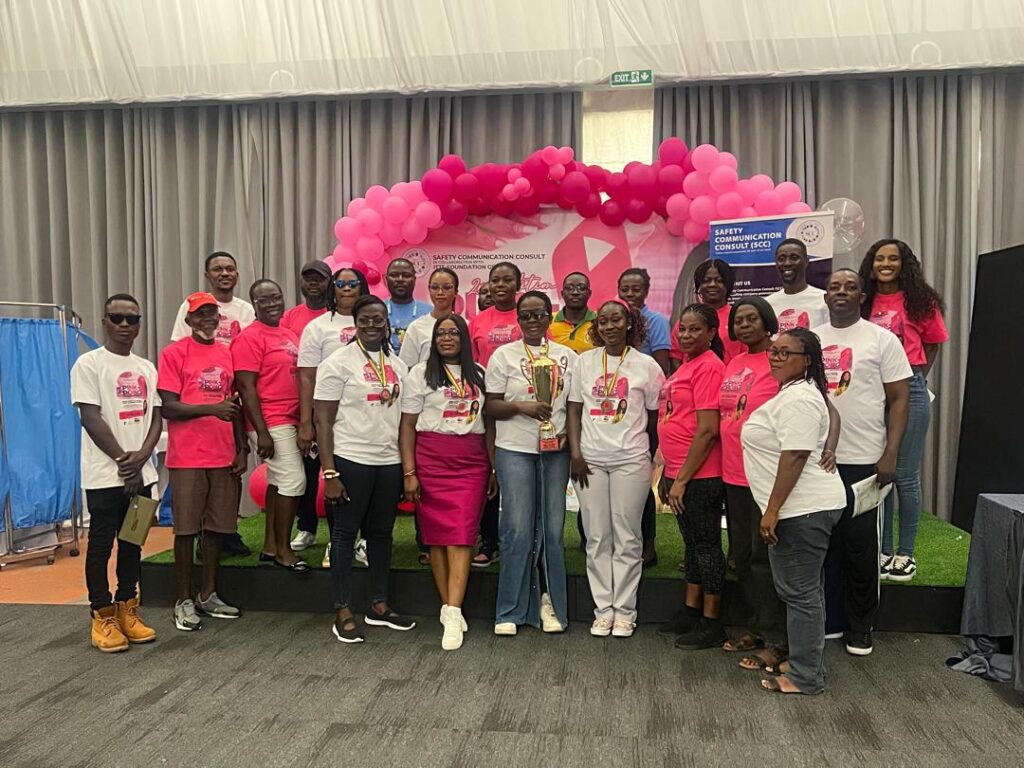
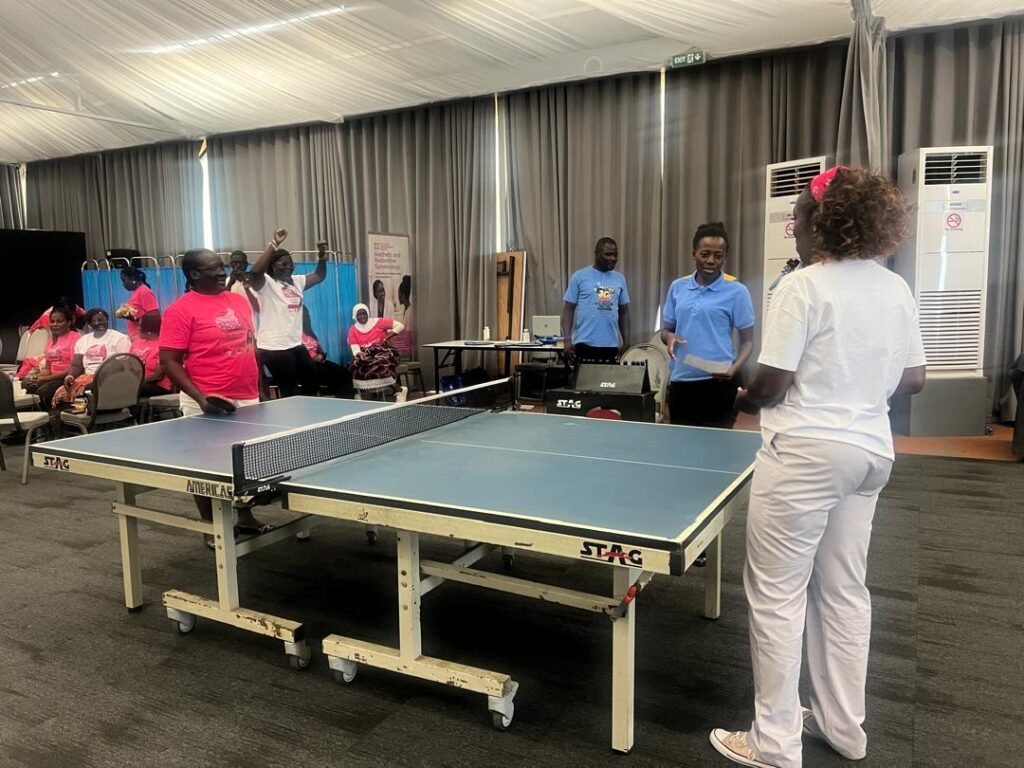
Stakeholders made the call at the second edition of the Pink-Pong Tournament, a table tennis competition held at Osu to promote breast cancer awareness, encourage stress management and foster solidarity between corporate women and breast cancer survivors.
The initiative also highlighted the need for emotional and family support for women living with breast cancer, with survivors warning that loneliness and neglect could worsen the challenges associated with the disease.
Madam Nancy Ampah, a Business Advisory Consultant and former Chief Executive Officer of Nationwide Medical Insurance, said early detection was critical to improving breast cancer treatment outcomes and urged women to make regular health screening a priority.
In an interview with the Ghana News Agency (GNA), she said misconceptions about cancer, fear of diagnosis and the cost of screening continued to discourage women from seeking timely medical attention.
“Cancer must not be a bad word. From infancy, we need to know that cancer is a disease that is treatable. It is not a death sentence like we used to think,” she said.
Madam Ampah noted that advances in treatment had improved the prospects for breast cancer patients, particularly when the disease was detected early.
She called for sustained public education beyond the annual Pink October campaign, stressing that breast cancer awareness should be integrated into school education and community outreach programmes.
She also advocated policies to make breast examinations more accessible and affordable, particularly in public health facilities, to encourage more women to undergo screening.
Madam Ampah urged women to seek medical attention when they noticed unusual changes in their breasts rather than waiting until symptoms became severe.
She cautioned against relying solely on prayer or unverified remedies, saying spiritual support could complement but should not replace professional medical care.
The former insurance executive called for stronger support systems for cancer patients, noting that health insurance and assistance from organisations and foundations could help ease the financial burden of treatment.
She encouraged women to understand their family medical histories and seek appropriate screening early, adding that regular health checks should be a year-round practice rather than an activity reserved for awareness campaigns.
Mr Eric Apedo, Team Lead of Safety Communication Consult, organisers of the tournament, said the initiative was designed to combine sports, health education and social interaction to improve the well-being of women in the corporate sector.
He said corporate women often carried multiple responsibilities at work and at home, making it necessary to create opportunities for them to relax, exercise and discuss health concerns.
“We believe that sport is the only way; awareness is the only way we can bring them together to shed off some of this stress,” he said.
Mr Apedo said table tennis offered participants an opportunity to engage in physical activity while building relationships and learning from the experiences of breast cancer survivors.
He said the tournament also provided a platform for survivors to share their experiences and encourage other women to seek screening and treatment without fear or stigma.
He urged corporate institutions to go beyond inviting survivors to awareness programmes and support the development of facilities to improve access to breast cancer screening and treatment.
Mr Apedo observed that the concentration of specialised services in major cities could create difficulties for patients in other parts of the country, who might have to travel long distances to access care.
He called for a national conversation on establishing more accessible breast cancer centres to enable women to receive timely screening, diagnosis and treatment closer to their communities.
He said corporate organisations could support such efforts through funding, partnerships and other interventions aimed at improving cancer care.
Meanwhile, breast cancer survivors at the tournament appealed to families to provide emotional and practical support to patients throughout their treatment and recovery.
The experience of cancer extended beyond physical pain and medical procedures, with loneliness, neglect and the absence of support from loved ones adding to the burden, they said.
They stressed that compassion, companionship and reassurance were important in helping women cope with the emotional and psychological challenges associated with the disease.
The participation of survivors in the competition also provided an opportunity for interaction with corporate women, helping to promote understanding and challenge the stigma surrounding breast cancer.
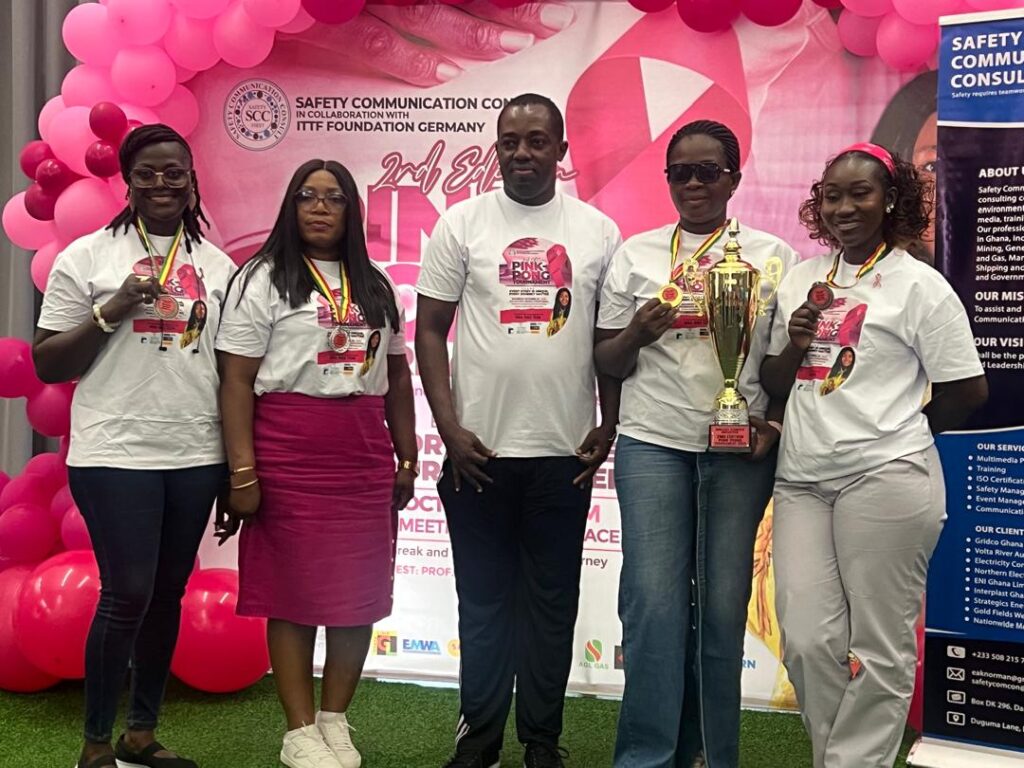
At the end of the tournament, Madam Millicent Blay of Nationwide Medical Insurance emerged the winner, followed by Madam Sandra Yiadom of CBG Bank.
Nana Yaa Bemmah and Patricia Essel, both breast cancer survivors, placed third and fourth, respectively.
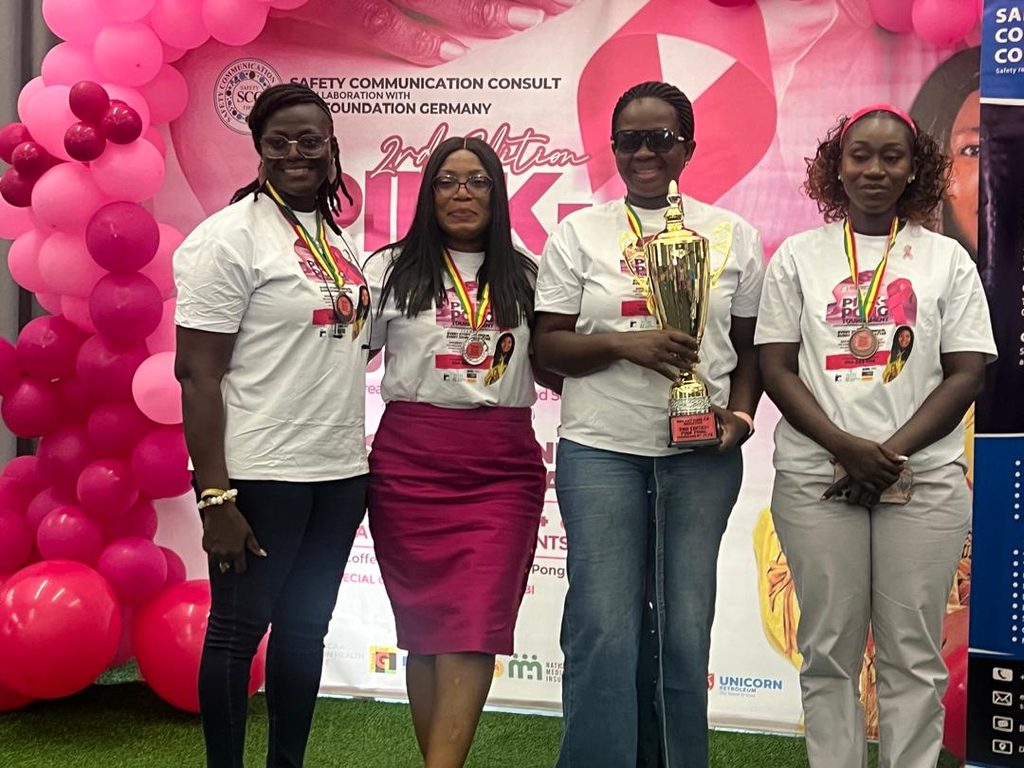
The event was organised in partnership with Ghana Link Network Services, AGL Gas, CBG Bank, Nationwide Medical Insurance Limited, EMWA, Unicorn Petroleum Limited and Sankofa Spices.
GNA
Edited by Agnes Boye-Doe
Reporter: Daniel Adu Darko
Email: [email protected]