A Feature by Fauzia Aliu, GNA
Bolgatanga, Oct. 19, GNA – As the world marks International Day of the Girl on 11 October, the 2026 themed, “End child marriage and invest in girls’ rights!”, calls for action to make that freedom a reality, that every girl deserves the freedom to learn, and shape their future.
In Ghana, this must include addressing the everyday conditions that affect girls’ dignity and participation in education such as menstrual health information, affordable menstrual products, and safe Water, Sanitation and Hygiene (WASH) services.
The need is clear
The United Nations Children’s Fund (UNICEF) reported in May 2026 that an estimated 1.9 million children in Ghana lack water facilities in schools, while 1.8 million lack access to toilets and for girls managing menstruation, these gaps can make an ordinary school day difficult.
A joint World Health Organisation (WHO)/UNICEF report published in 2024 also found that only 39 per cent of schools globally provide menstrual health education.
For a girl managing her period, a school toilet without water, a functioning door or a safe way to dispose off used materials can undermine privacy and confidence, whiles stigma and misinformation could deepen that difficulty as girls with disabilities may face additional barriers when facilities and information are inaccessible.
Providing menstrual products is an important investment, but a pad alone cannot provide privacy, wash hands or challenge the belief that menstruation is shameful.
WaterAid Ghana’s September 2026 policy review recognises progress through the Free Sanitary Pad Initiative and tax reforms, while identifying fragmented institutional responsibilities, financing and monitoring.
It emphasises that improving product affordability must be complemented by safe WASH facilities, menstrual health education and supportive school environments to realise the interventions’ full benefits for girls’ attendance and wellbeing.
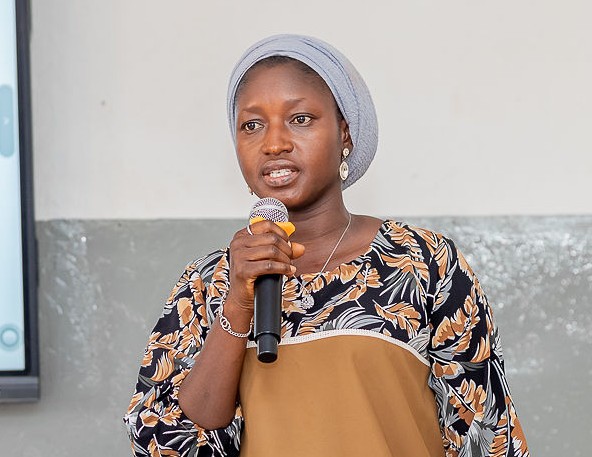

WaterAid Ghana’s experience under the Sexual Health and Reproductive Education (SHARE demonstrates this integrated approach, combining menstrual health education, reusable pad production skills and improvements to WASH services to support girls’ dignity and access to adolescent-friendly care.
These measures support girls’ education and wellbeing within the wider effort to prevent child marriage, which also requires enforcing protections, addressing harmful gender norms, supporting families and expanding girls’ opportunities.
Government, district assemblies, schools and development partners must translate commitments into funded action, including maintenance of school WASH facilities.
Programmes must reach underserved girls, including those with disabilities and those outside formal education. Girls themselves must be empowered to shape these decisions.
This International Day of the Girl, investing in girls’ rights must mean investing in the conditions that allow those rights to be exercised every day, safe WASH and menstrual health support belong in that promise.
GNA
Edited by Caesar Abagali/Bertha Badu-Agyei/Kenneth Odeng Adade
(The Writer, Ms Fauzia Aliu is the Advocacy, Campaigns and Inclusion Manager at WaterAid Ghana)