By Hafsa Obeng
Accra, Oct. 21, GNA – The Ghana Tourism Authority (GTA) is engaging stakeholders in the tourism and hospitality industry to develop a policy framework to promote responsible animal welfare practices in the sector.
The initiative, being undertaken in collaboration with the Animal Welfare League, seeks to improve the treatment of animals kept in hospitality facilities and promote responsible sourcing of animal products.
Mr Alexander Kwame Nketia, Director of Product Development and Investment at the GTA, said the consultations would enable industry players to review draft proposals and contribute to the development of a policy suited to the realities of tourism operations.
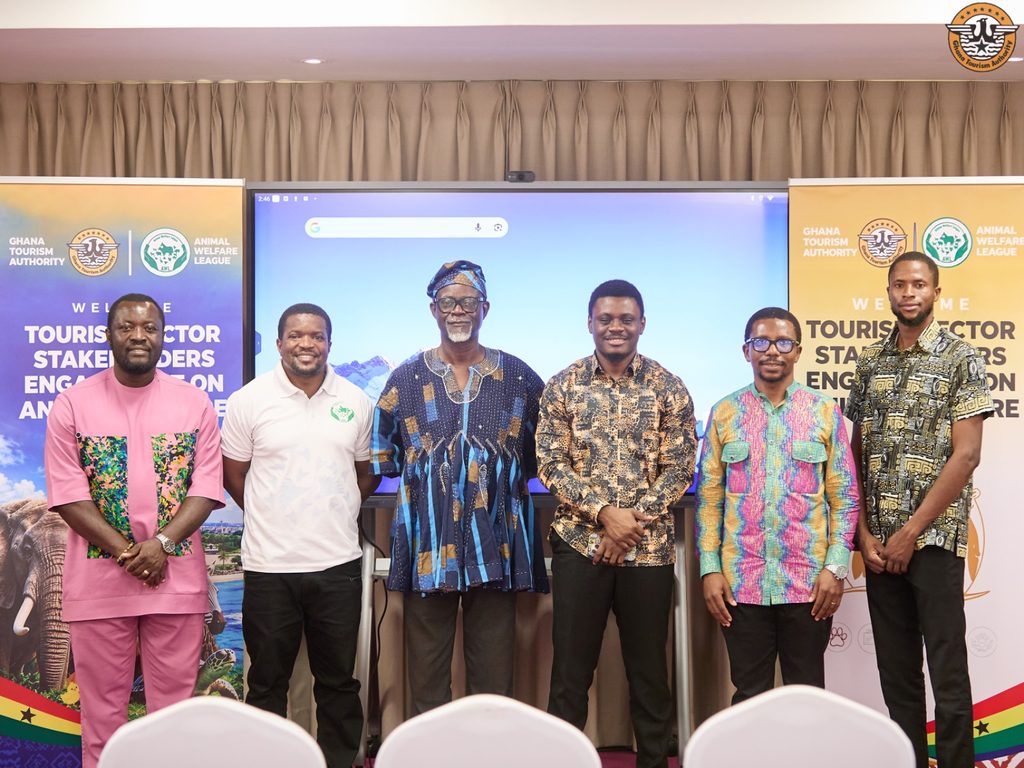
Speaking at the GTA Animal Welfare Stakeholder Engagement in Accra, he said the initiative formed part of the Authority’s environmental, social and governance plans and its commitment to responsible and sustainable tourism.
He said tourism experiences extended beyond castles, forts and established attractions to include the entire landscape, and the experiences visitors encountered from their arrival in Ghana.
Mr Nketia said the treatment of animals was increasingly becoming an important consideration for tourists who were conscious of animal rights and welfare.
He said the country had been divided into four zones for the consultations, with three additional engagements planned for the Middle, Northern and South-West sections.
The consultations were expected to be completed by the end of October, after which the GTA would review stakeholders’ contributions and convene further discussions.
Mr Nketia said the Authority would assess the acceptability of the proposals among Ghanaians and industry operators before determining the next steps, including the possibility of advancing the framework to a regulatory level.
Dr Emmanuel Nyamekye, Senior Communications Lead of the Animal Welfare League, said animal welfare was based on the recognition that animals could experience pain, fear, and distress, as well as comfort and contentment.
He said businesses had a responsibility to treat animals humanely and consider how their activities affected their welfare and survival.
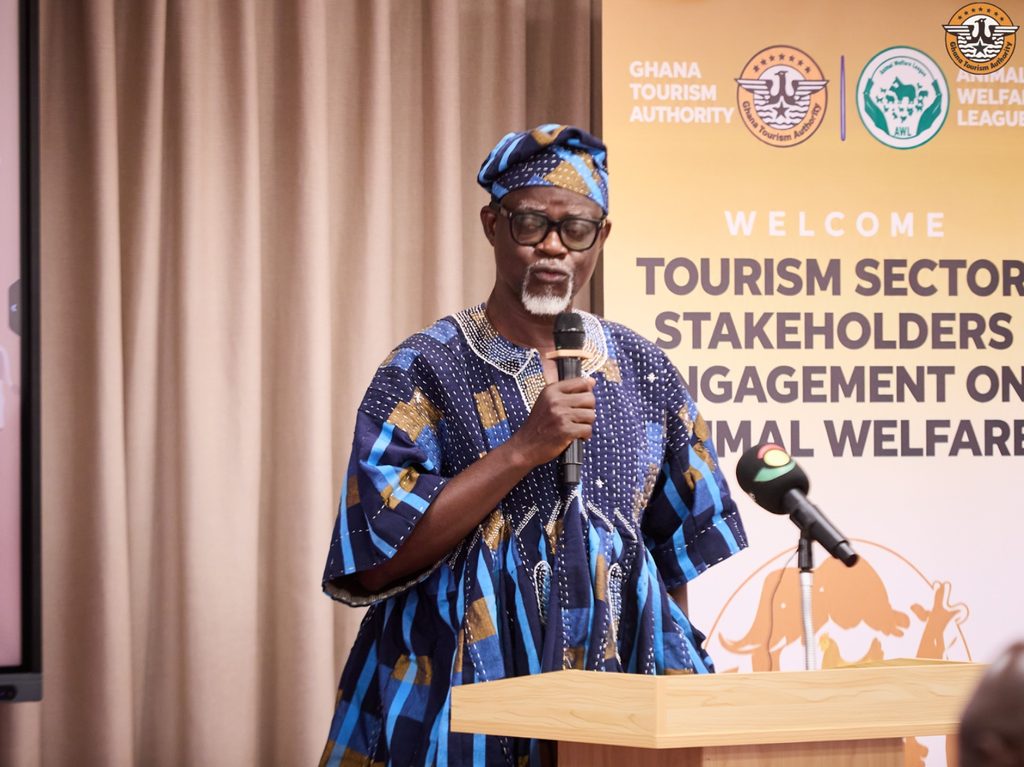
Dr Nyamekye said animals featured in several aspects of tourism, including forest reserves, zoos, aquariums, cultural attractions, hotels and restaurants, making their treatment an important part of the visitor experience.
He warned that mistreatment of animals or keeping them in poor conditions could negatively affect visitors’ perceptions and damage Ghana’s reputation as a tourism destination.
He said animal welfare had become an integral part of sustainable tourism globally, presenting Ghana with an opportunity to align its practices with international standards and demonstrate leadership in Africa.
Dr Nyamekye said the Animal Welfare League promoted improved welfare for farming, wild and working animals through policy advocacy, research and education, while supporting institutions to adopt animal welfare policies.
He urged stakeholders to contribute openly to the consultations to help build a tourism and hospitality sector that met international standards while preserving Ghana’s identity, and hospitality.
Mr Ben Anane Nsiah, Deputy Chief Executive Officer in charge of Finance and Administration at the GTA, said the engagement would examine practical ways of improving animal welfare across the industry.
He said discussions would cover the draft National Policy on Animal Welfare, responsible sourcing of animal products, cage-free egg commitments and the management of animals in tourism businesses.
Mr Nsiah said the draft policy proposed measures to ensure adequate food and water, suitable shelter, protection from pain and distress, and opportunities for animals to express natural behaviour.
He said the framework also highlighted staff awareness, veterinary care, and responsible management of interactions between visitors and animals.
The engagement was held on the theme: “Promoting Responsible Animal Welfare Practices in Ghana’s Tourism and Hospitality Sector.”
GNA
Edited by Linda Asante Agyei
Reporter: Hafsa Obeng
Email: [email protected]