By Florence Afriyie Mensah, GNA
Kumasi, Oct. 22, GNA – About 28 selected out-of-school club leaders in the Ashanti Region are undergoing training to enhance their capacity to educate, guide, support and protect adolescents and contribute to their holistic development.
The training, organised by the Ashanti Regional Division of the Complementary Education Agency with support from the United Nations Population Fund (UNFPA), is equipping participants with knowledge on reproductive health, peer pressure, relationships, gender-based violence, harmful practices and personal safety.
Speaking at the opening of the two-day reproductive health education programme in Kumasi, Madam Deborah Abla Dzorgbenyui Boakye, Ashanti Regional Director of the Complementary Education Agency, said adolescents were growing up in a world filled with opportunities as well as significant challenges.
She noted that many young people faced issues relating to relationships, harmful practices and gender-based violence but were often unable to make informed and responsible decisions because of inadequate information, guidance and support.
“Some are afraid to ask questions. Some receive information from their peers or the internet. Others experience abuse but remain silent because they do not know where to seek help or fear that speaking out will bring shame upon themselves or their families,”she said.
Madam Boakye said such challenges underscored the need for comprehensive education and support systems to enable adolescents to make responsible life choices.
She stated that the Complementary Education Agency recognised that education extended beyond literacy and numeracy and must equip learners with relevant knowledge, practical life skills and confidence to navigate real-life challenges.
According to her, every young person, whether in school or out of school, deserved the opportunity to learn, grow, make informed decisions and fulfil their potential.
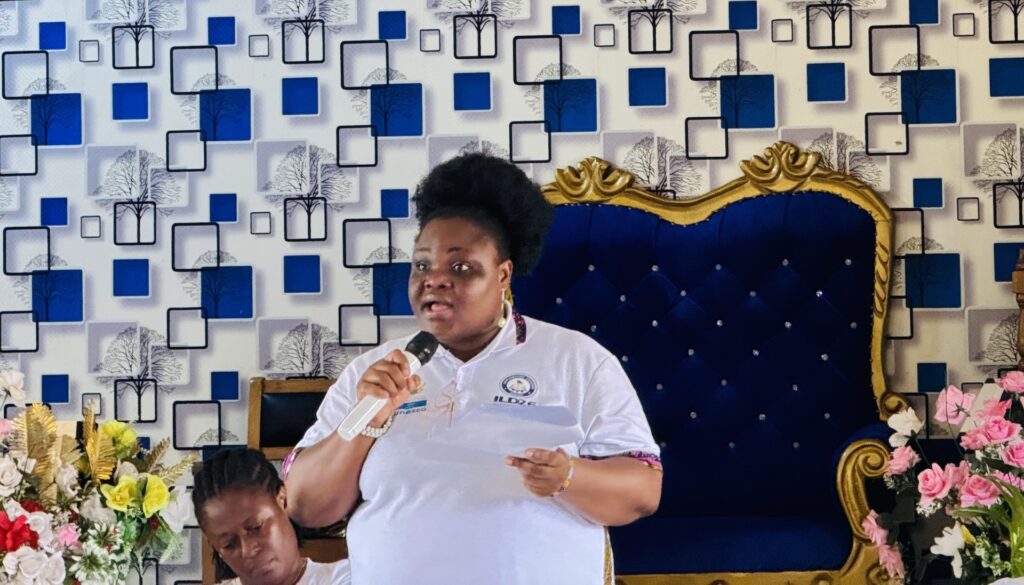
Madam Boakye urged the club leaders to see themselves as mentors, trusted guides and community educators who served as a bridge between young people and available support systems.
She encouraged them to apply the knowledge gained from the training to influence positive behavioural change, prevent harmful decisions and assist victims of abuse to access appropriate support services.
Madam Vera Dasmani, a representative of the Complementary Education Agency from Accra, emphasised the need for adolescents to be assertive and speak up about challenges affecting them.
She said confidence and assertiveness could help young people make sound decisions and prevent situations that often led to negative social outcomes.
Torgbi Professor Agboka, Nifahene of the Council of Ewe Chiefs in the Ashanti, Bono East and Ahafo Regions, stressed the importance of the active involvement of traditional authorities in protecting and supporting the development of young people.
He said safeguarding adolescents should not be left solely to educational and health institutions but must be a shared responsibility involving families, communities and traditional leaders.
Torgbi Agboka advised participants to remain resilient and courageous in making positive life-long decisions.
GNA
Edited by Kwabia Owusu-Mensah/Lydia Kukua Asamoah
Reporter: Florence Afriyie Mensah
[email protected]