A GNA Feature by Edward Acquah
Accra, Sept. 03, GNA- Could the recurring floods that sweep through West African cities every rainy season really be dismissed as an act of nature — or are they a warning that the region is failing to understand and adapt to a changing environment?
The answer, according to Dr Ponnambalam Rameshwaran, a Senior Research Scientist at the UK Centre for Ecology & Hydrology (UKCEH), is more complicated.
Rainfall is a natural phenomenon, but the scale of damage caused by floods is increasingly shaped by climate change, urbanisation, land-use changes and the loss of natural systems that once helped to absorb excess water, Dr Rameshwaran said in responses to questions submitted by the Ghana News Agency.
The urgency is stark. The World Bank warns that floods are a growing threat to rapidly expanding cities. It estimates that 1.81 billion people globally live in areas exposed to significant flood risk, while 600 million urban residents face significant annual flood hazards. Unplanned urbanisation, changing climate and inadequate infrastructure are identified as factors worsening the risk.
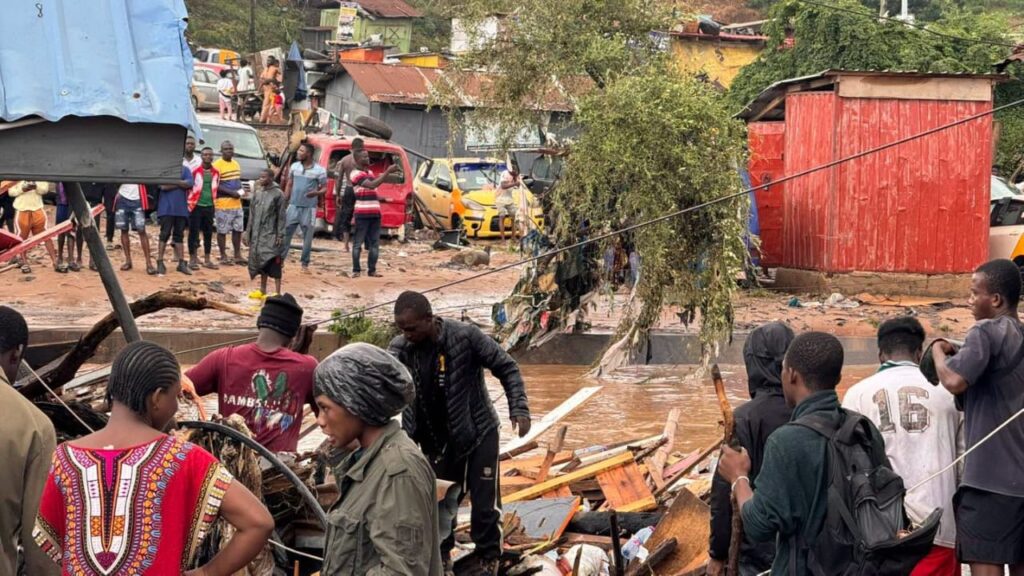
Ghana’s June 29 floods affected 38,802 people and displaced 7,761 households in the Greater Accra Region, according to data shared by Interior Minister Alhaji Mohammed-Mubarak Muntaka. The data shows that Ghana also recorded 593.2 millimetres of rainfall in June — the highest monthly total since records began in 1995 — while the June 29 downpour of 169.2 millimetres was the fourth-highest daily rainfall recorded since 1995.
Across the border in Côte d’Ivoire, the government reported 59 flood-related deaths by July 1, with about 20 deaths recorded in the Abidjan commune of Attécoubé alone. The government said some victims had returned to areas from which they had previously been relocated because of their vulnerability to flooding and landslides.
These figures point to a problem that extends beyond the immediate response to individual disasters. The question is increasingly how West African countries can live with a climate in which extreme rainfall and hydrological variability are likely to pose growing risks.
When rain meets a vulnerable landscape
Dr Rameshwaran said climate change is one of the factors influencing flood risk, particularly through changes in extreme rainfall and peak river flows.
But rainfall alone does not explain why the same quantity of water can produce dramatically different consequences from one place to another.
River catchments can respond non-linearly to rainfall, he explained. Once soils become saturated, even a relatively small increase in rainfall can produce a disproportionately large increase in surface runoff and peak river flows.
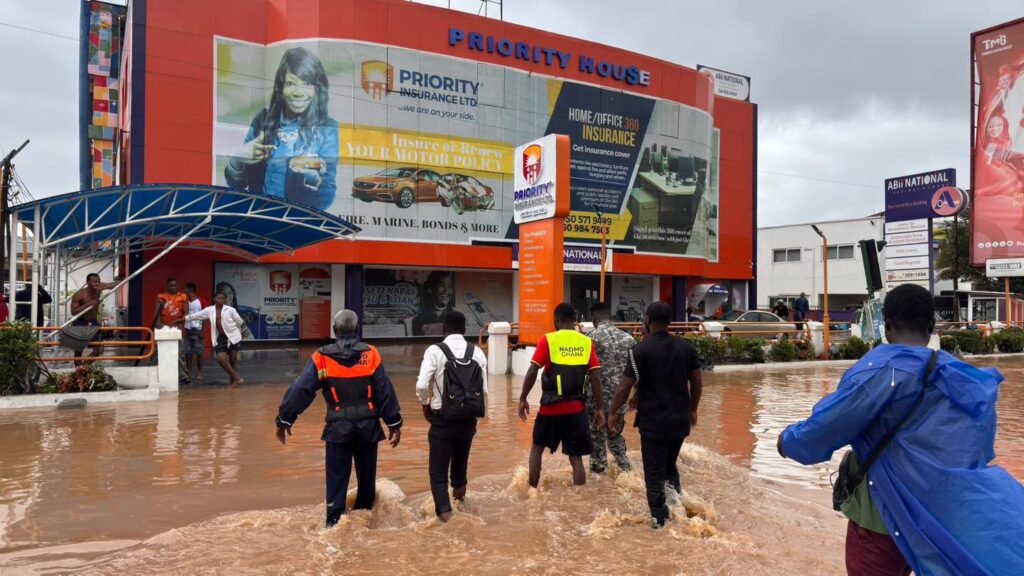
Urbanisation compounds the problem.
Roads, buildings, and pavements prevent water from infiltrating the soil, forcing more water to flow rapidly across the surface. Deforestation, wetland loss, and agricultural expansion can similarly reduce the landscape’s natural capacity to store water.
“Urban expansion increases the extent of impervious surfaces, such as roads, buildings and pavements, which reduce infiltration and increase surface runoff,” Dr Rameshwaran said.
UKCEH research in West Africa has also found that extensive woodland removal can intensify the effects of global warming in coastal areas by strengthening winds that carry moisture inland and trigger more afternoon downpours.
This means that the flood problem is not simply about how much rain falls from the sky. It is also about what happens to that water after it reaches the ground.
Let nature help hold back the water
For Dr Rameshwaran, one of the answers lies in looking at rivers, wetlands, forests, and soils not merely as environmental assets but also as part of the region’s flood-management infrastructure.
Wetlands can absorb excess rainfall and floodwater and release it gradually. Floodplains can temporarily store water during periods of high river flow. Healthy soils can increase infiltration and water storage, slowing the movement of runoff.
Forests and vegetation along rivers can intercept rainfall, improve infiltration, and reduce the speed of floodwaters.
“These nature-based solutions can complement traditional grey infrastructure and help build resilience to the increasing flood risks associated with climate change across West Africa,” he said.
Among the measures that could be adapted to West African catchments are wetland restoration, reconnecting rivers with their floodplains, restoring forests along rivers, improving soil management, and creating small-scale storage systems such as retention ponds and offline storage areas.
The approach does not mean abandoning drains, dams, and other conventional infrastructure. Rather, it means combining them with the natural systems that can help reduce the volume and speed of water reaching vulnerable communities.
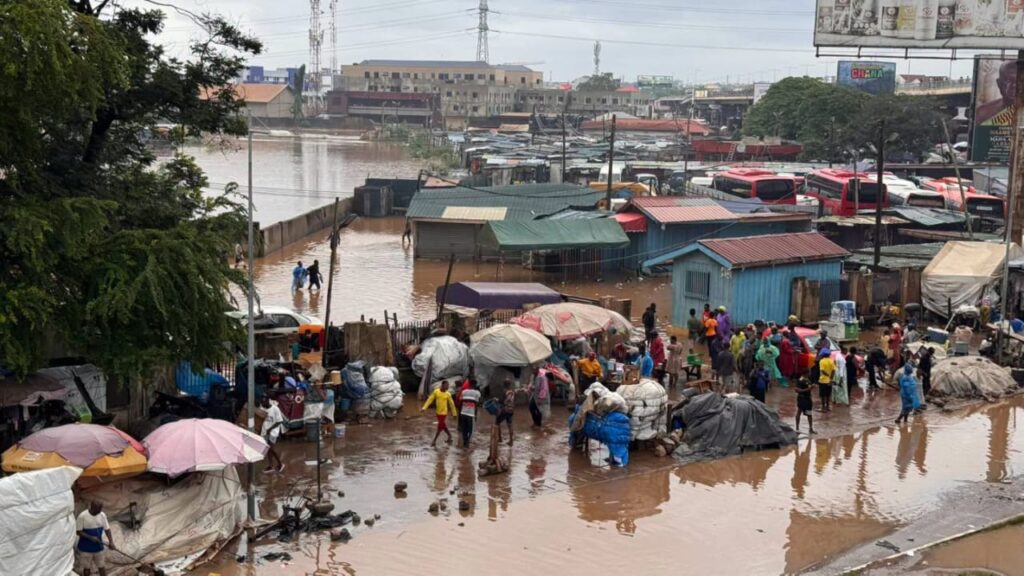
From reacting to floods to predicting them
Science can also change the timing of flood management — from responding after disaster strikes to acting before the water arrives.
Dr Rameshwaran said governments should strengthen rainfall and river-flow monitoring and combine those observations with hydrological models and climate projections.
Such systems can identify areas where future flood risks are likely to increase and support early-warning systems, land-use planning, and infrastructure design.
For instance, the UKCEH has developed a West Africa climate-change hydrology web portal that provides information on projected future changes in river flows across the region.
The scientist said governments could use such tools to avoid development in high-risk flood zones, design infrastructure for future rather than historical climate conditions and improve emergency preparedness.
The science is available — the challenge is acting on it
West Africa cannot stop the clouds from forming or eliminate every extreme rainfall event. But it can determine where people build, what landscapes are protected, how water is allowed to move, how quickly warnings reach communities and whether infrastructure is designed for the climate that is coming rather than the one that has passed.
That requires scientists, city planners, government agencies, emergency responders, and communities to work from a common evidence base rather than treating flooding as an emergency that begins and ends with heavy rainfall.
The recurring floods, therefore, may indeed begin as an act of nature. But the scale of the disaster is increasingly a question for science, planning, and human choice.
This feature was based on responses to interview questions submitted by the Ghana News Agency to Dr Ponnambalam Rameshwaran, Senior Research Scientist at the UK Centre for Ecology & Hydrology (UKCEH).
GNA
Edited by Linda Asante Agyei
Reporter: Edward Acquah