A GNA Feature By Caleb Kuleke
Ho, Sept. 21, GNA – The future of leadership hinges not only on creating space at the table, but also on how intentionally the next generation is prepared to occupy it.
At the heart of this preparation is the deliberate mentorship and leadership development of adolescent girls.
Adolescence is a formative period when young people begin to shape their identities, ambitions, and aspirations for the future. For girls, however, societal expectations, gender stereotypes, limited opportunities, and a lack of visible role models can affect their confidence and restrict their ambitions.
Mentorship and leadership development can therefore play an important role in helping girls build the confidence, skills and resilience needed to navigate these challenges and prepare for leadership.
Building the leadership pipeline
Mentorship provides girls with guidance, encouragement, and exposure to positive role models. A mentor can help an adolescent understand her abilities, explore career opportunities, and make informed decisions about her future.
Beyond mentorship, leadership preparation should equip girls with practical skills, including communication and public speaking, emotional intelligence, resilience, digital and financial literacy, decision-making and self-agency.
Early exposure to these skills can help girls develop confidence and prepare them to participate meaningfully in professional and public life.
Structured mentorship can also help girls challenge negative stereotypes and broaden their understanding of what they can achieve, particularly when they are exposed to women who have succeeded in fields traditionally dominated by men.
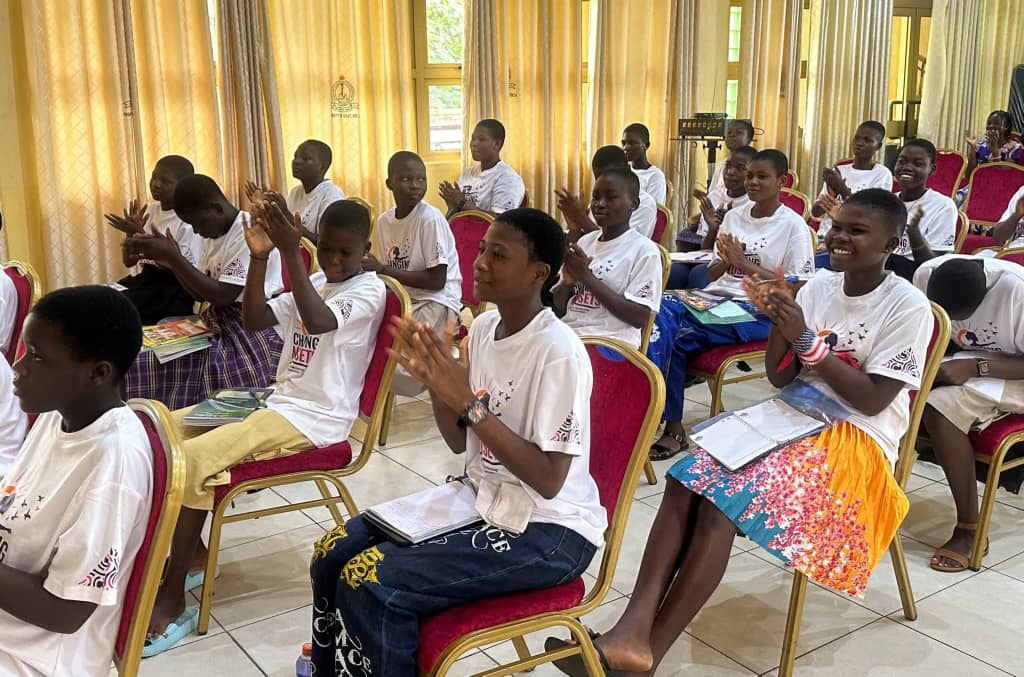
Adolescent Mentorship and Empowerment Camp
These issues were central to the 2026 Adolescent Mentorship and Empowerment Camp (AMEC), held in Ho, the Volta Regional capital.
The programme was organised by the Volta Regional Directorate of the Department of Gender, with support from Global Affairs Canada and the United Nations Population Fund (UNFPA).
Held under the theme, “Changing Mindsets: Empower, Unlock Potential, Break Barriers for a Sustainable Future for Girls,” the camp provided participants with opportunities to learn about sexual and reproductive health and rights, gender equality, gender-based violence, academic excellence, career development, assertiveness, advocacy, leadership and digital skills.
The camp brought together key stakeholders who emphasised the need for sustained investment in the development of adolescent girls.
Dr Agnes Naa Momo Lartey, Minister of Gender, Children and Social Protection, said Ghana could not afford to wait until 2034 to prepare girls for leadership positions.
She said Ghana’s quest to achieve its 2034 gender-equity targets must begin now through deliberate efforts by families, schools, mentors and institutions to create opportunities for girls.
The Minister noted that many girls currently in school would be among those expected to occupy leadership positions by 2034, making mentorship and empowerment critical to their development.
Dr Lartey said initiatives such as AMEC helped translate national policies into practical outcomes by equipping girls with knowledge, skills and confidence.
She said structured mentorship programmes could strengthen self-confidence among adolescent girls, while exposure to women leaders could broaden their aspirations, strengthen advocacy skills and expand career opportunities.
The Minister further emphasised that equipping girls with leadership skills was essential to building a strong pipeline of future leaders and protecting the nation’s human capital.
A shared national responsibility
The development of future female leaders cannot be achieved by one institution alone. It requires the combined efforts of families, schools, communities, government, and development partners.
The Volta Regional Minister, Mr James Gunu, commended the Department of Gender for organising the camp, describing it as a critical investment in the future of Ghana.
He emphasised that raising and empowering adolescents was a shared national responsibility and urged citizens to become active participants in national development.
Mr Gunu challenged the girls to return home with a strong understanding of their self-worth and urged them not to allow their present circumstances to determine their future.
He said the true measure of the camp’s success would be seen in the lives of the participants and their ability to see themselves as future innovators, entrepreneurs, and public servants.
The ripple effect of empowerment
Madam Adjoa Nyanteng Yenyi, Programme Specialist for Adolescent and Youth Development at UNFPA Ghana, underscored the importance of investing in young people.
She reminded the participants of the opportunities available to them and encouraged them to recognise their capabilities.
Madam Yenyi urged the girls to use the knowledge acquired at the camp to positively influence their peers, thereby creating a ripple effect of empowerment among young people.
She reaffirmed UNFPA’s commitment to unlocking the potential of adolescent girls across the Volta Region.
Mrs Thywill Eyra Kpe, Volta Regional Director of the Department of Gender, also urged the participants to reject limitations placed on them by society.
Speaking on the theme, “Changing Mindset: Your Determination Breaks All Barriers,” she encouraged the girls to believe in their ability to achieve their aspirations.
Mrs Kpe explained that the camp’s theme was deliberately chosen to transform the mindset of young people and promote long-term and sustainable empowerment.
She urged the girls to remain teachable and avoid distractions that could affect their academic pursuits, while calling on Girls’ Education Officers to continually mentor and support young girls.
Preparing girls for life and work
Leadership development is not only about preparing girls for formal positions of authority. It is also about equipping them to navigate the transition from adolescence to adulthood and make informed choices.
Mrs Mariam Jemima Akua Adzroe, Acting Volta Regional Director of Education, urged adolescent girls to embrace mentorship and grooming opportunities as they prepare for the future.
She said proper mentorship provided adolescents with guidance to navigate life transitions and make well-informed decisions.
Speaking on self-discovery and career pathways, she challenged the participants to pursue practical, hands-on training to enhance their personal value and prepare themselves for an increasingly competitive global market.
Dr Sefakor Adinyirah, Chairperson of the Ghana Medical Association for the Volta and Oti regions, also charged the participants to make deliberate and responsible life choices.
She cautioned that temporary and short-sighted decisions could have lasting consequences for their health and career paths, urging the girls to choose positive role models carefully.
Professor Elizabeth Dzigbordi Obinnim of the Ho Technical University encouraged the girls not to allow society to confine them to restrictive stereotypes.
She urged them to remain determined, committed, and focused on their academic and career aspirations.
Madam Stella Mawusi Mawutor, Volta Regional Director of the Department of Social Welfare, encouraged the girls to develop strong self-belief and approach their responsibilities with excellence, reminding them that consistent effort was essential to achieving their goals.
Sustaining the momentum
The 2026 Adolescent Mentorship and Empowerment Camp highlighted the value of giving young girls access to knowledge, guidance, role models, and opportunities to develop their leadership potential.
The messages from the various speakers also point to a broader national responsibility.
Ghana cannot expect to see more women occupying leadership and decision-making positions if the development of adolescent girls is left to chance.
Mentorship and skills development are important components of a sustainable leadership pipeline. Government, families, schools, communities, and development partners must therefore continue to invest in programmes that equip girls with the confidence, knowledge and practical skills needed to participate fully in society.
As Mr Gunu noted, Ghana and the world need the ideas, talents and contributions of young girls to drive positive social and economic transformation.
The seeds of leadership are being planted among today’s adolescent girls. Sustaining that investment could help ensure that, tomorrow, they are better prepared to take their place in the leadership and development of the nation.
GNA
Edited by: Maxwell Awumah/Kenneth Odeng Adade