By Anthony Adongo Apubeo
Bolgatanga, Sept. 30, GNA – Humanitarian actors in the Upper East Region have been advised to strengthen coordination and avoid working in silos to ensure timely and effective responses to emergencies and disasters.
Ms Yvonne Wonchua, the United Nations Population Fund (UNFPA) Focal Person at the Upper East Regional Coordinating Council (RCC), said closer collaboration among agencies would help prevent duplication of efforts, which would enable stakeholders to pool resources, expertise and information during emergencies.
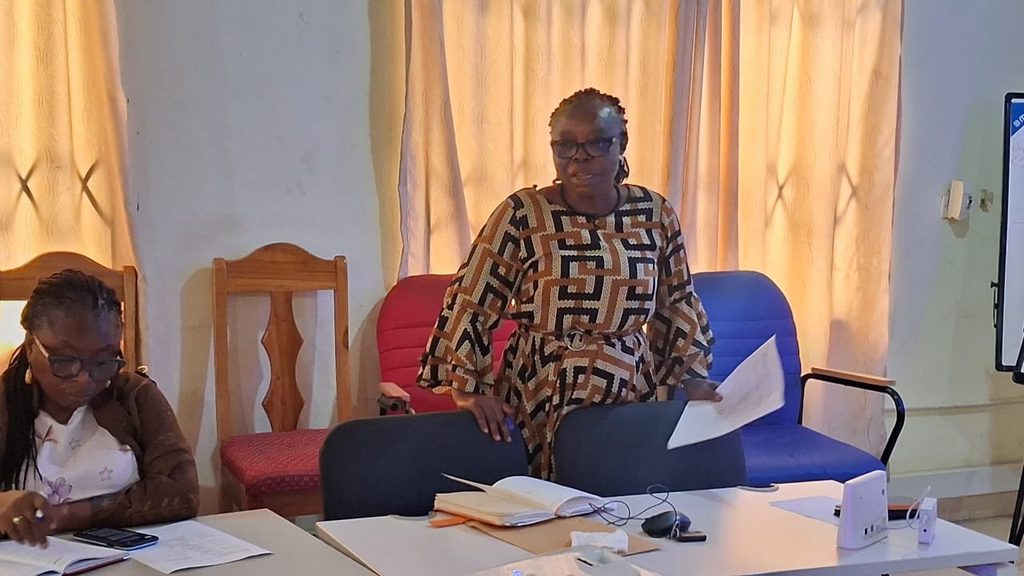
She said this at a coordination meeting for regional humanitarian actors in Bolgatanga, organised by the RCC with funding support from the UNFPA to strengthen preparedness and response to disasters in the region.
Ms Wonchua said while various institutions had specific mandates in disaster management, some might lack the resources or expertise required to respond effectively to particular emergencies.
She explained, for instance, that through coordination, an institution with a vehicle but without fuel could access the resources of another actor, while an organisation requiring technical expertise could draw on another stakeholder with the requisite capacity.
“Even if the member cannot go directly to the other actor, they can pass it through the RCC and it will be done. And we will all be on the same platform, so we will know what is happening,” she said.
Ms Wonchua also stressed the importance of accurate and accessible data in emergency response, saying coordination would enable humanitarian actors to know what information was available and how it could be used to support interventions.
She said the Upper East had been designated a humanitarian region by the UNFPA because of factors as the presence of refugees, the spillover effects of conflicts in Burkina Faso and recurring flooding associated with the spillage of the Bagre Dam.
She said the region’s vulnerability made it necessary for humanitarian actors to work together to strengthen disaster preparedness and response.
Mr Issah Tanko, Upper East Regional Operations Director of the National Disaster Management Organisation (NADMO), said the meeting was intended to bring humanitarian actors together to pool resources and clarify responsibilities during emergencies.
He said although Disaster Management Committees existed at various levels, the gathering was a special platform for humanitarian actors to coordinate their activities, particularly in relation to sexual and reproductive health, gender-based violence and other humanitarian concerns.
Mr Tanko called for the development and use of standard operating procedures (SOPs) to guide emergency response and clearly define the responsibilities of different institutions.
He said effective coordination would also help prevent duplication of responsibilities and make emergency interventions more efficient.
Mrs Georgina Aberse-Ako, Upper East Regional Director of the Department of Children, said children remained among the most vulnerable groups during disasters and therefore required coordinated protection interventions.
She said emergencies such as conflicts, floods, fires, disease outbreaks and droughts could expose children to abuse, teenage pregnancy, school dropout and substance abuse.
Mrs Aberse-Ako said displacement could also result in children becoming separated from their parents or travelling unaccompanied, thereby increasing their vulnerability to different forms of abuse, adding that strong coordination would enable stakeholders to rely on one another’s expertise and resources to strengthen child protection during emergencies.
“We’ll be relying on each other’s expertise, all the resources available with the various stakeholders so that we can work together and make sure that we are prepared when disaster strikes,” she said.
Mr Blaise Agana, Lead, Humanitarian Response under the Justice Peace and Humanitarian Response Directorate of the Navrongo-Bolgatanga Catholic Diocesan Development Organisation, called for strengthened working relationship and information sharing achieve effective and efficient response during emergencies.
GNA
Edited by Caesar Abagali/Benjamin Mensah
Reporter: Anthony Adongo Apubeo
Reporter’s email address: [email protected]