By Francis Ntow, GNA
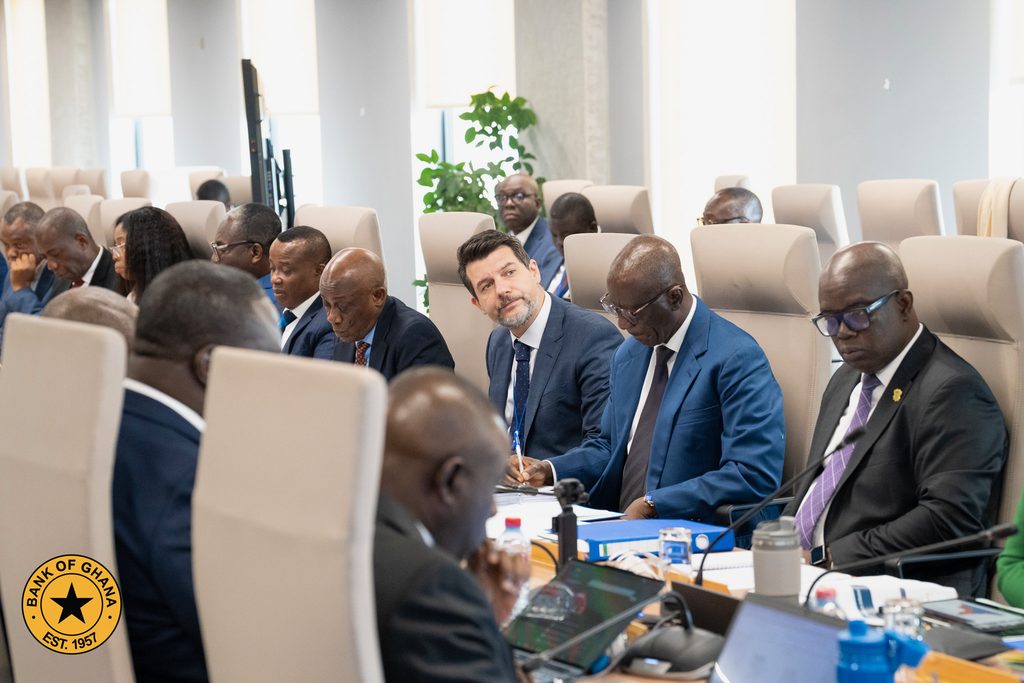
Accra, Sept 24, GNA – Dr Johnson Pandit Asiama, Governor of the Bank of Ghana (BoG), on Wednesday signalled rising inflationary and external pressures as the Monetary Policy Committee (MPC) faces a pivotal decision on the country’s policy rate.
The Committee, at the end of its 132nd MPC meeting on Thursday, would decide whether to maintain the current 14 per cent policy rate or adjust course amid rising inflation, weakening external reserves and global economic conditions deteriorate.
Two months after holding the rate at 14 per cent in July, the country faces a transformed global environment with oil at US$107 per barrel, growth cut to 2.5 per cent, and US-Iran hostilities threatening shipping and energy supplies.
Opening the 132nd session in Accra on Wednesday, the Governor said the fundamental question before the MPC, centred on whether Ghana’s current monetary policy stance remained appropriately calibrated.
He flagged three key risks for the MPC – whether the rise in inflation from 3.2 to five was temporary or persistent, weakening external buffers amid falling reserves and paused gold exports, and how year-end fiscal pressures could affect liquidity and the Cedi.
“The question before us, colleagues, as it was in July, is whether the current policy rate of 14 per cent remains the appropriate anchor for inflation expectations, given this balance of forces and whether any adjustment is warranted at all,” he said.
Governor Asiama noted that the 132nd MPC decision was particularly significant given Ghana’s recent transition from IMF-backed crisis stabilisation towards a consolidation phase under the newly approved Policy Coordination Instrument (PCI).
He said as the international community watched closely, Ghana’s demonstration of policy discipline and credibility during the previous Extended Credit Facility programme, it was important to manage a balance sheet of competing pressures.
The Committee was meeting as Ghana’s headline inflation has risen from March’s low of 3.2 per cent to five per cent in August 2026, a cumulative 1.8 percentage-point increase over five months.
The Central Bank Governor indicated that while current inflation remained below the lower bound of the target range of 8±2 per cent, the direction has been upward, requiring careful assessment to ensure that inflation stabilised.
On the global environment, he mentioned the ongoing Middle East conflict, which had taken on increasingly critical dimension, threatening critical energy infrastructure and international shipping.
Brent crude oil prices have climbed from approximately US$85 per barrel at the time of the July MPC meeting to roughly US$107 per barrel as of last week – the highest level in four months.
Governor Asiama attributed the development to Saudi Arabia oil infrastructure attacks, disruptions to Strait of Hormuz shipping lanes from renewed United States-Iran hostilities, and depleted global inventories.
He noted that global downturn was forcing central banks to pause or reverse easing and hold rates high to curb energy and food-driven inflation, while markets expected higher US rates, tighter financial conditions and a stronger dollar.
“These developments have created substantial headwinds for emerging market currencies, including Ghana’s cedis, which has faced depreciation pressure as capital flows reverse towards higher-yielding assets in developed markets,” Dr Asiama said.
On the domestic front, he cited a stable and broadly positive macroeconomy, with real GDP growing at six per cent in the second quarter of 2026, driven by services and information-communication technology sectors.
He said the country’s fiscal position had strengthened, with debt reducing to 45 per cent of gross domestic product (GDP) and securing debt distress risk downgrade from high to moderate from all three major rating agencies.
The banking sector continues operating soundly with healthy liquidity and profitability metrics, but vulnerabilities have emerged more sharply in recent months and appear likely to constrain monetary policy flexibility.
Gross international reserves declining to approximately 4.2 months of import cover – a level that represented reduced buffer against external shocks compared to healthier reserve positions.
The Central Bank Governor highlighted a pause in gold exports by gold bond producers since mid-August as a particular vulnerability requiring attention, noting that rebuilding net foreign assets “must remain the priority heading into the fourth quarter of this year.”
He encouraged the Committee to produce an evidence-based rate decision in maintaining domestic macroeconomic stability and policy credibility, which were essential to Ghana’s long-term development objectives and prosperity.
GNA
Edited by Agnes Boye-Doe
Reporter: Francis Ntow
[email protected]