A GNA Feature by James Amoh Junior
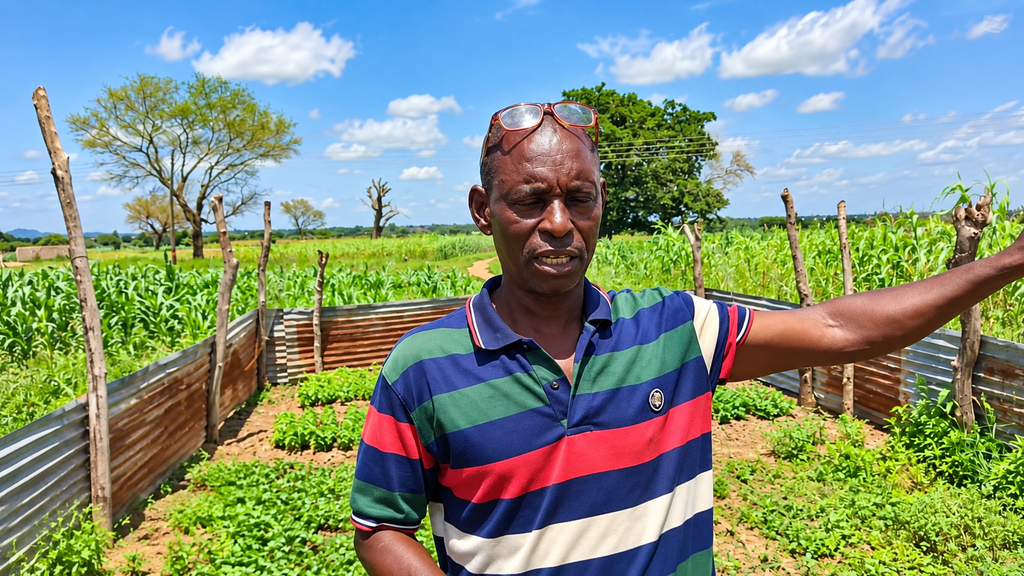
Accra, Sept. 24, GNA – On a two-acre tomato farm at Bolgatanga-Nyariga in Ghana’s Upper East Region, Amidu Salifu Azeko knows that a good harvest is never simply a matter of planting and waiting.
For nearly two decades, Mr Azeko has returned to the land each dry season to grow tomatoes and pepper, investing in seed, labour, water and crop protection.
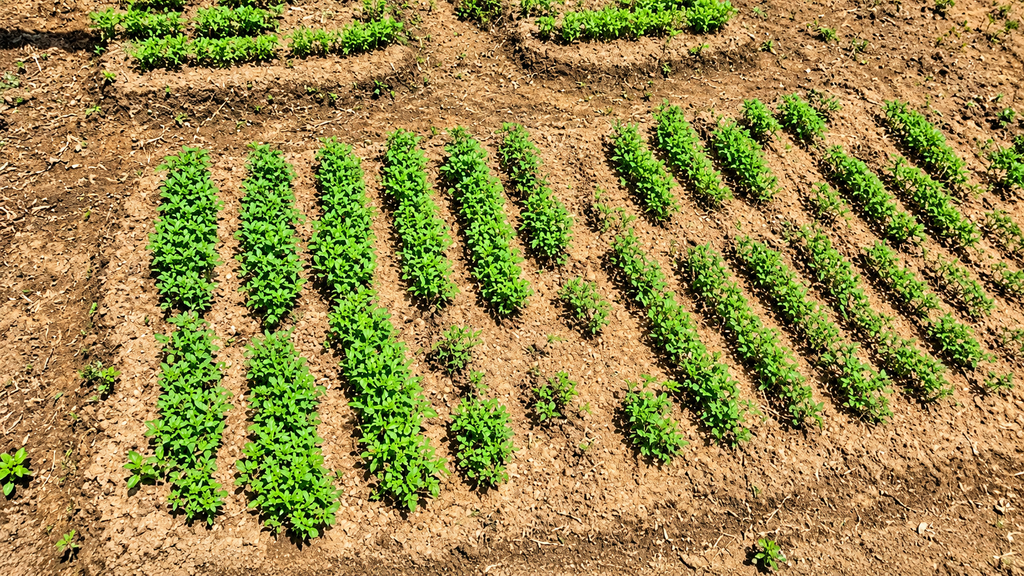
His tomatoes begin in a nursery, where seeds are planted, and seedlings watered and protected before they are transplanted.
But the success of that familiar cycle increasingly depends on something beyond his control: reliable source of water.
Mr Azeko draws water from the Vea Irrigation Dam, a major source of water for dry-season vegetable production in the area.
However, ongoing rehabilitation and construction have affected access to water and, consequently, production.
Mr Azeko’s experience captures a wider dilemma confronting Ghana’s tomato industry.
The country has committed farmers, suitable land, agricultural scientists and irrigation infrastructure, yet it continues to depend on imported tomatoes to satisfy demand.
The problem is not simply that Ghana does not grow tomatoes. Too many things can go wrong between the seed and the market.
Heat can shorten the production season. Pests and diseases can destroy crops. Poor soils can reduce yields. Water can become unavailable when plants need it most. And after all the investment and effort, farmers can still face uncertainty over prices, buyers and whether their harvest will reach the market before it spoils.
For thousands of farmers, tomato production remains a calculation of risk.
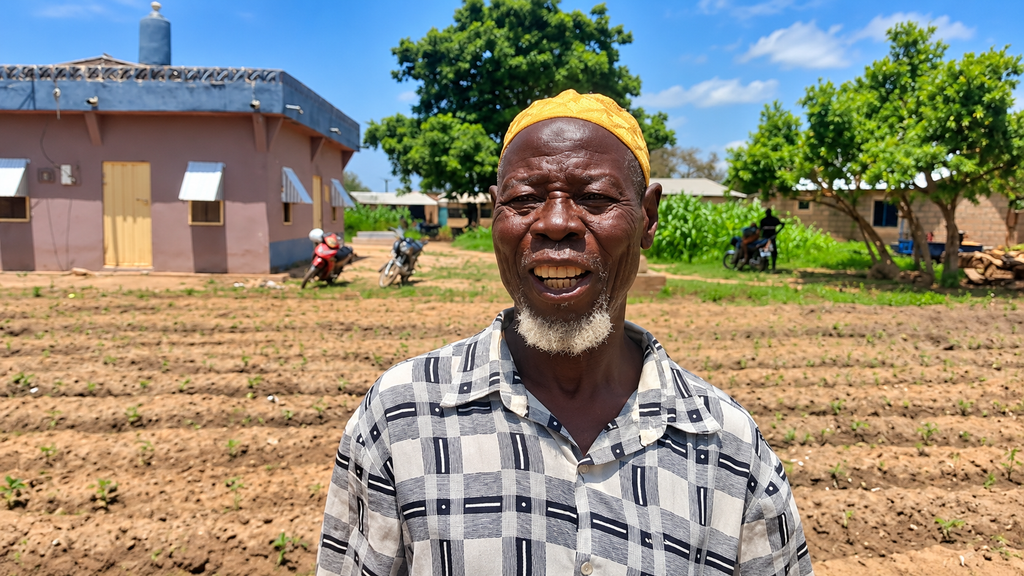
At Zaare, also in the Upper East Region, Desmond Akubire has cultivated tomatoes for about 25 years. Despite broken canals, he uses a machine to draw water from the Vea Irrigation Dam.
Tomato farming, he says, has supported him and his family, but diseases have reduced yields over the years.
“If technology is added to our production, it can increase production,” he says, while calling for financial support and improved seed.
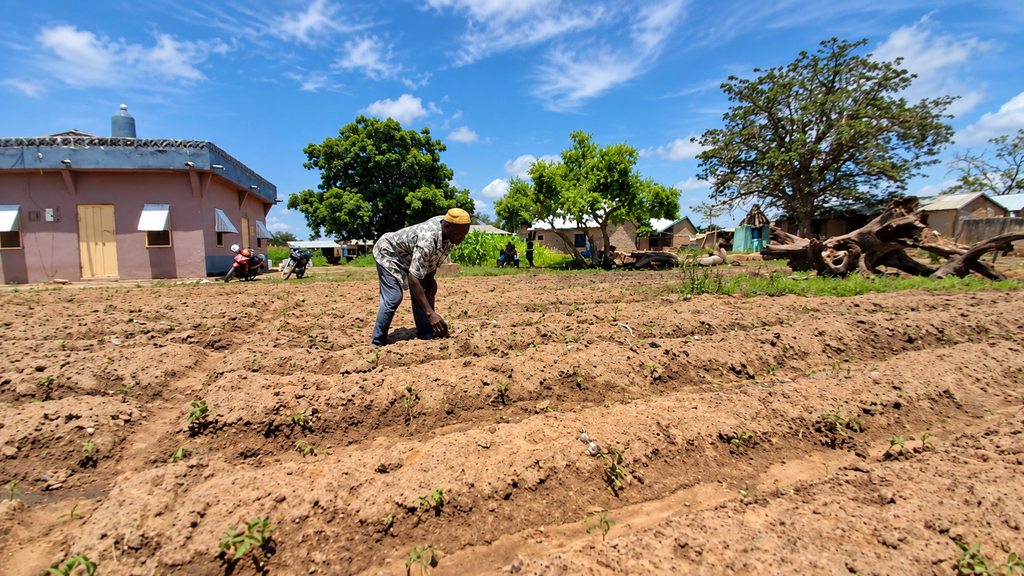
Another farmer, Iddrisu Akolgo of Nyariga, receives weather forecasts but says diseases remain a major challenge. He can begin harvesting about three months after planting.
He also observes that some Ghanaians travel to Burkina Faso to buy tomatoes because varieties there are harder and have a longer shelf life.
The experiences of the three farmers raise a bigger question: if Ghana has farmers who know how to cultivate tomatoes, what is preventing the country from producing enough?
The tomato paradox: too little, too much
Ghana’s tomato problem is not simply that farmers cannot produce enough. The deeper problem is that production is uneven, unpredictable and poorly connected to the market.
The result is a paradox: the country can face shortages and rely on imports at one point, while farmers in another part of the country struggle to find buyers for tomatoes they have already produced.
In September 2026, farmers at Anloga-Avume in the Volta Region reported tonnes of ripe tomatoes rotting on farms because they lacked harvesting crates and buyers.
With inadequate storage and cold-room facilities, farmers are appealing to traders, processors and government for urgent intervention.
The situation exposes a weakness beyond the farm: producing tomatoes is not enough if the systems to store, transport, process and sell them cannot keep pace.
Technology could help bridge some of these gaps. Digital platforms could connect farmers with buyers, provide timely information on prices and demand, and help coordinate the movement of produce before it deteriorates.
But their impact ultimately depends on whether the wider value chain has the storage, processing capacity and markets needed to absorb what farmers produce.
Particularly striking is that the Government has launched the Ghana Tomato Self-Sufficiency Initiative (GHATSI) in the area, targeting 100,000 tonnes in its first phase and seeking to establish a year-round value chain linking farmers to irrigation, inputs, finance, insurance, processing, logistics and guaranteed markets.
Yet the paradox extends beyond post-harvest losses.
Ghana has more than 400,000 hectares considered suitable for tomato cultivation, according to Council for Scientific and Industrial Research (CSIR) researchers.
Average yields, however, remain between seven and 10 tonnes per hectare, while improved varieties and better agronomic practices could substantially raise productivity.
Dr Michael Kwabena Osei, Principal Research Scientist and vegetable breeder at the CSIR Crop Research Institute, identifies seed as a critical weakness. More than 85 per cent of tomato seed planted in Ghana, he says, is imported commercial hybrid seed.
“A country that imports its seed will always import its food.” Dr Osei says.
Water is another constraint, particularly for dry-season farmers. Of the 15,000 hectares covered by Ghana’s 22 public irrigation schemes, only about 9,000 hectares are currently in use, according to CSIR research.
Researchers also identify declining soil fertility, pests and diseases, heat stress, weak agronomic practices and poor market incentives among the factors limiting production.
The result is a chain of weaknesses: farmers may have land but lack reliable water; improved seed but face disease; or achieve a bumper harvest only to watch it spoil before reaching consumers.
Ghana’s tomato challenge, therefore, is not simply about producing too little. It is also about losing too much.
And it is within that paradox – too little supply at one point and wasted abundance at another – that smart technology is now being asked to make a difference.
But can smart technology close the gap?
Artificial Intelligence(AI) and smart agriculture are increasingly being presented as possible tools for doing just that. From predicting weather and detecting diseases to managing irrigation and connecting farmers with buyers, the technologies promise something simple but valuable: better information at the moment a decision matters.
For Mr Azeko, precision irrigation could help determine when and how much water a crop needs.
Soil-moisture sensors combined with weather information could potentially reduce unnecessary watering and make scarce water more efficient.
But there is an immediate limitation. A smart irrigation system cannot create water where irrigation infrastructure is constrained.
Mr Azeko’s experience at Vea demonstrates the difference between managing water intelligently and having reliable access to it.
The same applies to weather forecasting, as Azeko says he relies mainly on dry-season irrigation and therefore pays less attention to weather forecasts.
For farmers producing during the rainy season, however, increasingly unpredictable conditions can influence planting, crop protection and harvesting.
Dr Agyare says heat stress from February onwards shortens the dry-season production window, while the lack of varieties suited to hot and humid rainy-season conditions limits year-round production.
CSIR-SARI is developing varieties for both rain-fed and dry-season environments, with promising lines undergoing validation and multi-location trials.
AI-driven climate systems could complement such scientific work by combining rainfall forecasts, temperature patterns, soil moisture, and crop conditions to provide more targeted information.
Disease detection presents another opportunity.
Mr Akubire identifies diseases as one of the factors reducing his yields. Digital diagnostic tools could allow farmers to photograph affected plants and receive an early indication of possible disease or pest infestation, potentially shortening the time between detection and intervention.
But a diagnosis is useful only if the farmer can act on it.
The farmer still needs appropriate treatment, extension advice and, where necessary, resistant varieties.
That is why the CSIR response extends beyond AI to include certified seed production, farmer training, soil improvement, solar-powered irrigation, mechanisation and protected cultivation.
Digital market platforms could also provide farmers with information about prices, demand, and potential buyers before harvesting. Farmers could aggregate their produce and use mobile systems to connect with processors and other markets.
For Akolgo, whose observation about the longer shelf life of Burkina Faso tomatoes highlights the importance of quality beyond the farm gate, technology could form part of a broader effort to make local production more competitive.
The promise of smart agriculture, therefore, is not that a machine will replace the farmer. It is that the farmer could have better information when it matters most.
Building the tomato value chain
Producing more tomatoes, however, is only part of the solution.
If farmers increase yields but cannot move their harvest quickly, find buyers or secure processing facilities, a larger crop could still result in substantial losses.
Data from the Ministry of Food and Agriculture indicates that about 30 per cent of local tomato production, estimated at 153,000 tonnes, is lost after harvest.
The Ghana Tomato Self-Sufficiency Initiative (GHATSI) therefore seeks to establish a year-round value chain linking farmers to irrigation, inputs, financing, insurance, processing, logistics and guaranteed markets.
Historical MoFA-IFPRI analysis found that tomato prices followed a pronounced seasonal pattern, rising as local supply declined.
By May, prices had reached almost twice the September level in the period studied. At other times, farmers can face falling prices when many producers harvest simultaneously.
Processing presents another challenge as earlier research found that tomato processing facilities in northern Ghana struggled to operate consistently, partly because processors could not secure reliable year-round supplies while imported tomato paste remained relatively cheap.
New initiatives are seeking to address some of these gaps.
The Irrigation Company of Upper Region Limited (ICOUR) has earmarked 500 hectares under the Tono and Vea irrigation schemes for tomato production.
The initiative is intended to revive the company’s role in tomato production while supporting local food production.
GHATSI is targeting about 100,000 tonnes from more than 10,000 acres across 35 districts in 10 regions, with plans to progressively scale production to about 400,000 tonnes and eventually support processing into purée and other value-added products.
These efforts point to a central lesson from Ghana’s tomato challenge: closing the gap requires coordination.

Farmers need water and quality seed. Buyers need predictable supplies. Processors need volume and consistency. Consumers need affordable tomatoes. Technology needs a functioning system through which information can translate into action.
The challenge is therefore not simply how to grow more tomatoes. It is how to ensure that what farmers grow survives the journey from the field to the consumer.
From technology to transformation
The final test of Ghana’s tomato ambitions will not take place in a laboratory, research paper or computer screen.
It will take place in fields such as Nyariga, Tono and Vea, where farmers must turn information and innovation into a harvest.
For Azeko, success means dependable water when his tomatoes need it. For Akubire, it means reducing the diseases that repeatedly cut production. In the case of Akolgo, it means producing tomatoes that can compete not only in quantity, but also in quality and shelf life.
Those realities provide a practical test of whether smart agriculture can make a difference.
AI may help farmers anticipate weather, manage water, identify crop threats, and understand markets. Improved varieties and better agronomic practices can raise productivity. Digital platforms can strengthen links between farmers, buyers and processors.
But none of these interventions can work in isolation.
Ghana’s tomato challenge requires farmers’ knowledge to meet scientific research, reliable irrigation to support improved seed, technology to strengthen extension services, and production to be connected to functioning markets, storage and processing.
The opportunity is therefore bigger than closing a tomato deficit. It is about whether Ghana can turn its agricultural knowledge, infrastructure and emerging digital capabilities into a food system that delivers more reliably for farmers and consumers.
The question that began on Mr Azeko’s farm remains: Can technology reach the farmer at the moment it matters, and can the farmer act on it?
The answer will not be found in the promise of AI and smart technologies alone.
It will be measured in the fields; in healthier plants, larger harvests, lower losses and farmers who can make a living from what they grow.
For Ghana, the future of the tomato may ultimately depend on making its science, technology, farmers, water, markets and processing capacity work together.
GNA
This project was funded by the UK Foreign, Commonwealth & Development Office (FCDO) under the UK Media Excellence for Emerging Technologies (MEET) Fellowship, in partnership with RAIL-KNUST and Imperial College London.
Reporter: James Amoh Junior
Email: [email protected]
Edited by: Samuel Osei-Frempong