By James Amoh Junior, GNA
Accra, Sept. 17, GNA – Ghana and Japan are exploring opportunities to deepen cooperation in space science, technology and innovation as the two countries seek to leverage international partnerships to support national development.
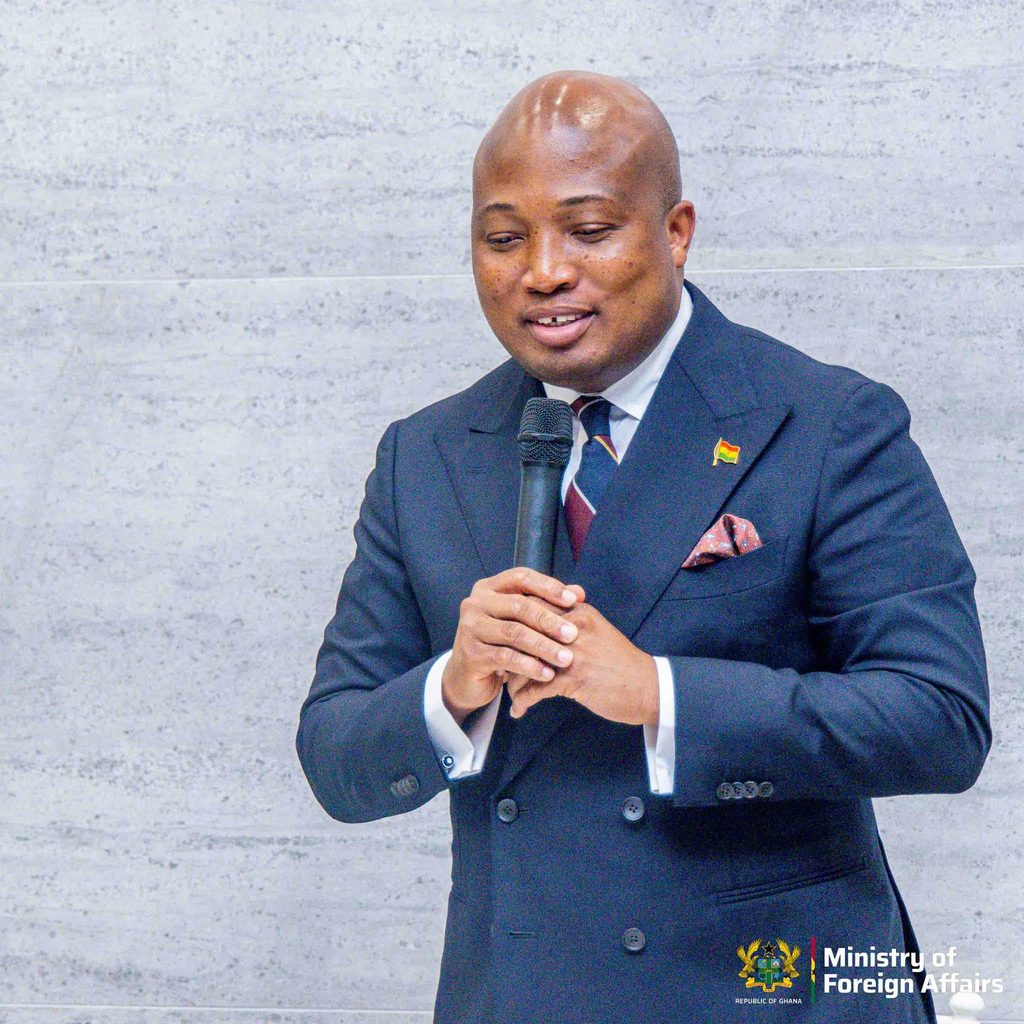
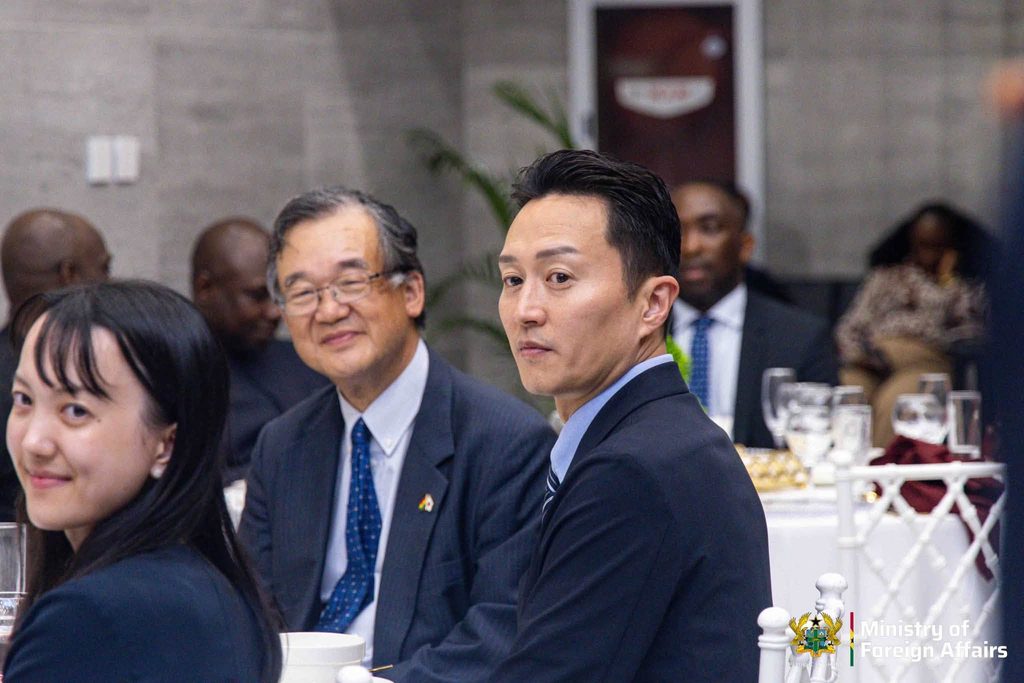
The renewed commitment emerged when the Minister of Foreign Affairs, Mr Samuel Okudzeto Ablakwa, hosted Japanese astronaut and Chief Technology Officer, Asia Pacific, Axiom Space, Dr Koichi Wakata, to a dinner at the Ministry in Accra on Tuesday.
The dinner followed a courtesy call by Dr Wakata on the Minister and formed part of his visit to Ghana from September 15 to 19, 2026.
Mr Ablakwa assured Dr Wakata of the Ministry’s readiness to coordinate and support international partnerships that advanced Ghana’s national and strategic objectives.
He said space exploration was a global undertaking that required countries, scientists, engineers and institutions to work together, adding that Ghana would continue to strengthen its relations with Japan to create opportunities for such collaboration.
The Minister noted that 2027 would mark the 70th Anniversary of formal diplomatic relations between Ghana and Japan, and recalled Japan’s longstanding contributions to Ghana, particularly in science, research and public health, which had further strengthened the relations.
He also welcomed Dr Wakata’s planned engagements with Ghanaian students, stressing the importance of exposing young people to opportunities in science, technology and innovation.
Ambassador Khadija Iddrisu, the Chief Director of the Ministry of Foreign Affairs, said space was becoming increasingly important to national development, with satellite technologies and data already supporting communications, agriculture, environmental monitoring, disaster management and national security.

She said Ghana needed to take practical steps to build its capacity to harness such technologies, describing Dr Wakata’s visit as an opportunity for knowledge exchange and to stimulate greater interest in space science, technology and innovation.
Ambassador Iddrisu expressed the hope that the engagement would lead to new exchanges and partnerships between Ghana and Japan, particularly in areas that supported Ghana’s development objectives.
The Japanese Ambassador to Ghana, Hiroshi Yoshimoto, described Dr Wakata as a distinguished figure in Japan and the global space community, noting that he had undertaken five space flights and spent a cumulative 504 days in space.
He also highlighted Dr Wakata’s participation in the construction of the International Space Station (ISS) and his achievement as the first Japanese astronaut to serve as Commander of the ISS in 2014.
Ambassador Yoshimoto recalled Japan’s contribution to Ghana’s space journey, particularly the launch of Ghana’s first satellite with Japanese support.
He said Dr Wakata’s visit provided an opportunity for Ghana and Japan to build on that experience and expressed Japan’s readiness to deepen collaboration with Ghana in science, technology and space-related fields.
Professor Nana Aba Appiah Amfo, the Vice-Chancellor of the University of Ghana, highlighted the University’s longstanding partnership with Japan in research, science and capacity development.
She cited the Noguchi Memorial Institute for Medical Research and other initiatives at the University as examples of Japan’s sustained contribution to Ghana’s academic and research development.
Prof Amfo said partnerships remained a key priority under the University’s 2024-2029 Strategic Plan and expressed the institution’s readiness to expand collaboration in science, technology and innovation.
Dr Wakata, on his part, recounted his journey into space, saying his interest began at the age of five after witnessing the Apollo 11 Moon landing.

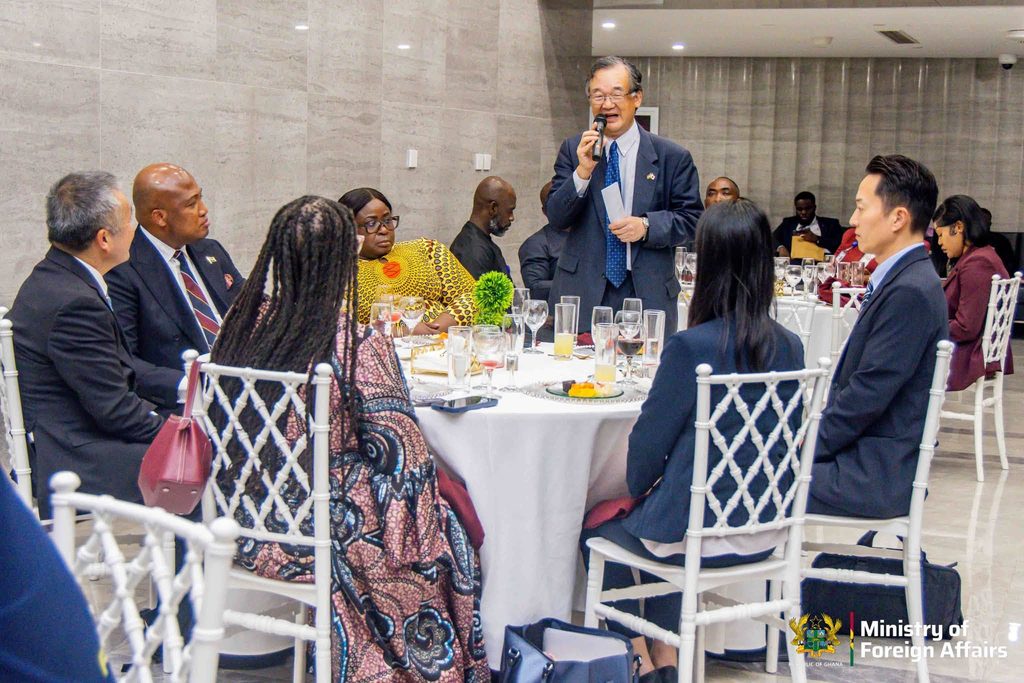
Although becoming an astronaut appeared beyond his reach at the time, he said international collaboration eventually enabled him to work with scientists and engineers from across the world and fly aboard the Space Shuttle, the Russian Soyuz spacecraft, and SpaceX Crew Dragon.
Dr Wakata encouraged young Ghanaians to pursue careers in science, technology and engineering, saying international cooperation and supportive frameworks were essential to transforming scientific ideas into practical achievements.
He also highlighted the importance of sustainability in space, including the recycling of resources aboard the ISS and the need to address the growing challenge of space debris to ensure that future generations safely explored and utilised space.
The event was attended by students of the Presbyterian Boys’ Secondary School (PRESEC), Legon, winners of the 2026 National Science and Maths Quiz (NSMQ) for the ninth time.
The students interacted with Dr Wakata and drew inspiration from his experiences in human spaceflight and space exploration.
Dr Wakata’s visit, which ends on September 19, forms part of engagements aimed at promoting knowledge exchange and exploring opportunities for stronger collaboration between Ghana and Japan in space science, technology and innovation, while further advancing bilateral relations.
GNA
Edited by Agnes Boye-Doe
Reporter: James Amoh Junior
Email: [email protected]