By Ambassador Anil Trigunayat
Aug. 13, GNA-India and Africa have a historic and umbilical relationship.
It makes for good talking points in speeches, but will need an objective assessment of the extent and depth of our engagement to stand scrutiny and to guide better policy choices.
It is also a fact that India has consistently, even if occasionally in an ad hoc manner, engaged with African countries.
India emerged as a strong voice for their emancipation from the colonial yoke and, thereafter, through the Non-Aligned Movement (NAM). It has stood for and advocated the core concerns of African countries, especially the Least Developed Countries (LDCs), in international fora — be it GATT/WTO, the UN/CHOGM, climate change negotiations, and now in calls for a reformed UNSC.
During her G20 presidency in 2023, India ensured that the African Union (AU) became a permanent member of the G20. This has been widely appreciated and has earned India immeasurable goodwill across Africa.
Besides, through its extensive capacity-building assistance and “share and care” approach, India has helped the continent a great deal in creating skilled manpower, modern institutions, and infrastructure in both education and defence.
Indian teachers and professors were widely respected, especially by those who studied between the 1960s and 1980s. Unfortunately, this very effective mode of engagement dried up and needs to be revived.
Several African leaders fondly recall their Indian teachers even after 40-50 years. Dozens of military officers trained in India rose to become Heads of Government and Heads of State in their countries, while thousands of Africans trained under the fully funded Indian Technical Economic Cooperation (ITEC) programme have risen to responsible positions.
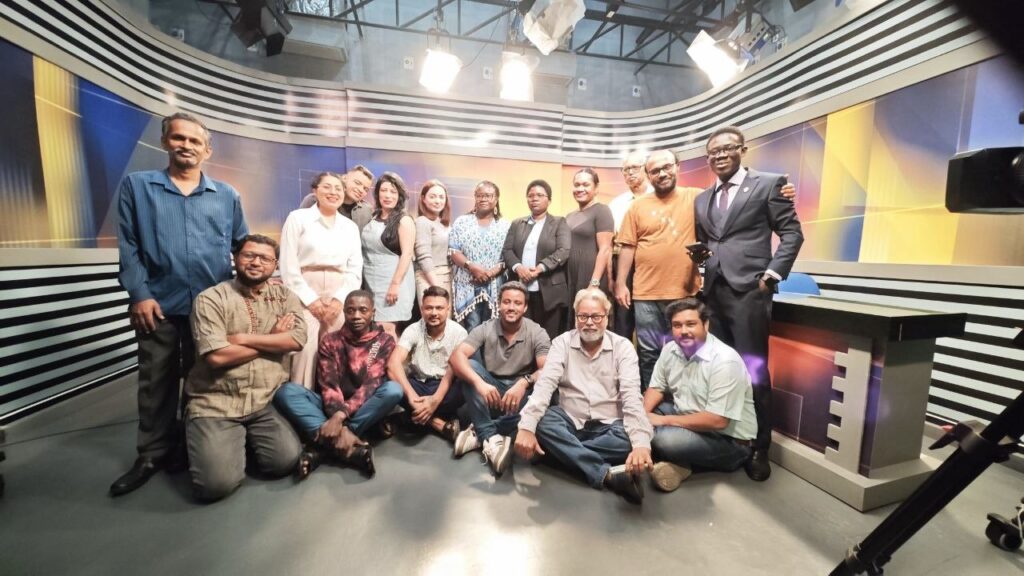
Another important capacity-building effort is the training of about 80 women, fondly called “Solar Mamas,” every year to work on solar panels. On their return, they electrify their communities and at least 50 houses each.
Technological competency initiatives in sunrise sectors through Centres of Excellence, and in bilateral, regional, sub-regional, and trilateral formats with like-minded countries such as France, Japan, and the UAE, have been proposed across the economic spectrum.
One of the most important connectivity and capacity-building programmes launched by India, pursuant to the vision of former President APJ Abdul Kalam, was the Pan-Africa e-Network initiative. It focused on tele-medicine, tele-education, and e-governance, as well as connectivity among Heads of State across 48 countries.
It entailed five leading Indian universities offering courses and 12 super-specialty hospitals providing consultations and medical education. The programme was fully funded by the Government of India under NEPAD.
The programme has since been upgraded and expanded under the Modi government as e-VidyaBharati and e-ArogyaBharati. Reportedly, over 7,000 students have completed their studies.
Since the 1950s, India has been encouraging African students through scholarships for higher education, training, and capacity building in Indian institutions. According to estimates, there are currently more than 55,000 students from various African countries in India.
India also has a long history of cooperation in defence capacity building in various African countries and in participating in UN Peacekeeping Operations, beginning in 1960 in the Congo.
India’s role has been broadly appreciated, especially in preventing genocide in South Sudan. Similarly, Indian women police personnel did remarkable work in Liberia — a rather unique contribution — and President Sirleaf was full of praise for them.
Currently, India trains a large number of Africans not only in its defence institutions but also in peacekeeping operations and manoeuvres, in addition to conducting counter-terrorism and counter-insurgency training. India has set up National Defence Colleges in several countries, including Nigeria.
It would also be useful to align our engagement with the African Peace and Security Architecture (APSA) devised by the then Organisation of African Unity (OAU) to deal with African problems such as genocide and ethnic cleansing.
India has also been very active in anti-piracy operations off the East Coast of Africa, from Somalia and the Gulf of Aden to the Mozambique Channel, to ensure free lines of trade and communication. The Indian Navy successfully escorted around 2,500 vessels.
Like the US AFRICOM, New Delhi also needs to strategically focus on the Gulf of Guinea and other maritime domain awareness initiatives.
In the wake of US-Iran tensions and the Israel conflict, and the closure and blockade of choke points, it has become imperative for New Delhi to reorient its energy security efforts in a mutually beneficial manner toward the African continent, and to secure Sea Lanes of Communication through collaboration and capacity building.
The diaspora helps a great deal in building bridges at the people-to-people level and in turn contributes to the growth of bilateral relations, especially in the economic field, as well as through leadership positions acquired as a result of exposure and experience in a particular country. India has 3 million people of Indian origin across the African continent who are highly successful.
The Indian community has begun to align with the socio-economic needs of local communities by providing services such as education, medical treatment, job creation, and employment.
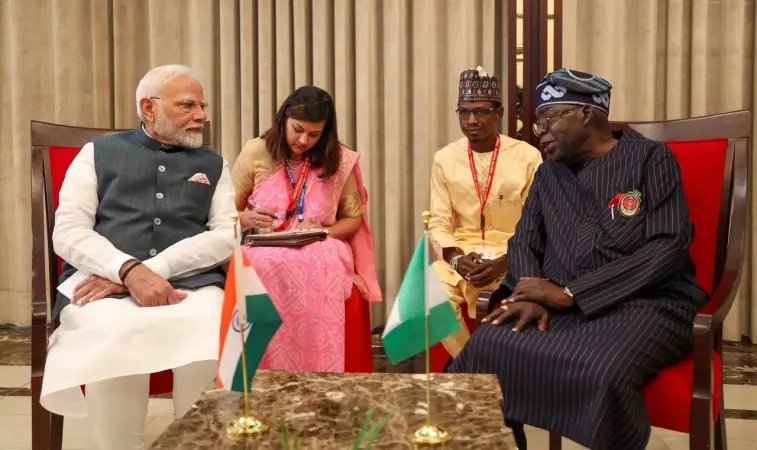
No wonder the former President of Nigeria stated more than once that “Indian industrialists are the second biggest employers after the Federal Government in Nigeria.” The time is ripe to also institutionalize engagement with the African Continental Free Trade Area (AfCFTA).
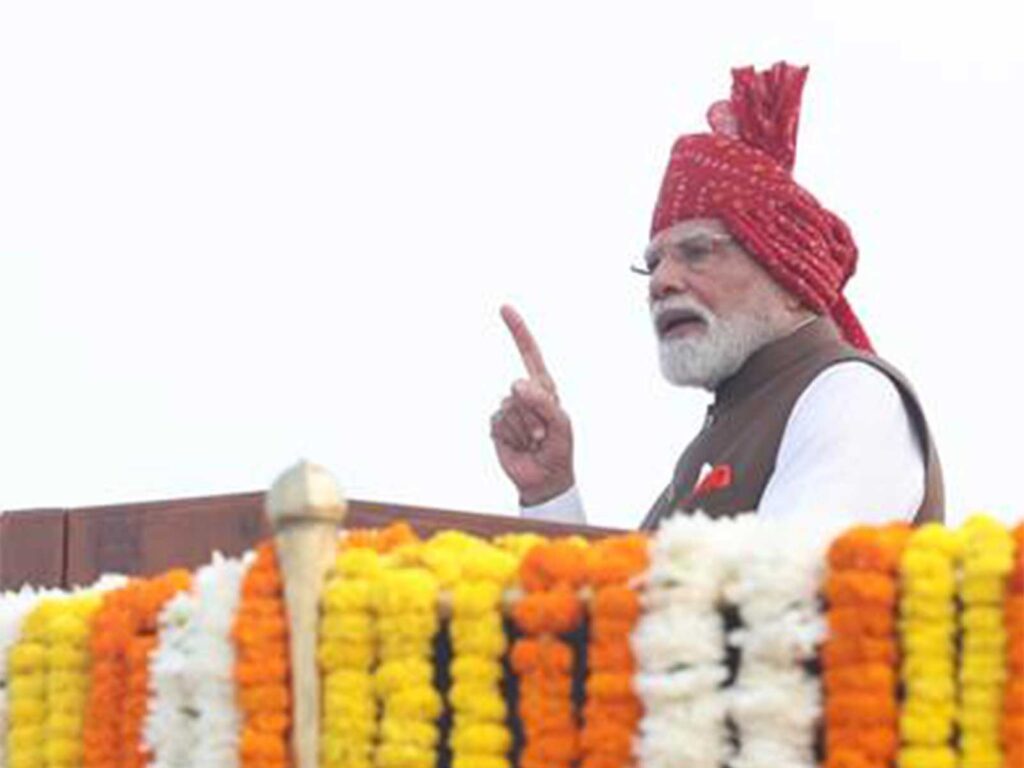
Prime Minister Narendra Modi, while speaking to Parliament in Kampala in July 2018, outlined his Africa vision through 10 guiding principles. These include: Africa being among India’s top priorities with sustained momentum through regular exchanges; development partnerships aligned with African priorities; preferential access to Indian markets for African products; assisting Africa in harnessing the digital revolution; improving Africa’s agricultural potential; fighting climate change together; working together to keep oceans and maritime lanes free for all; ensuring Africa becomes a nursery for its youth rather than a theatre of competition; and aspiring to work together for a just, representative, and democratic global order.
These are ideal, achievable, and collaborative policies that dictate a paradigm shift compared to other big powers who are trying to get into a “gold rush” for exploitation through neo-colonial approaches.
India–Africa relations have developed into a multifaceted partnership encompassing political engagement, trade and investment, development cooperation, capacity building, healthcare, education, digital connectivity, ICT, AI, defence cooperation, space, critical minerals, food and energy security, renewables, and multilateral collaboration.
The 4th India-Africa Forum Summit (IAFS) was postponed due to the Ebola crisis and needs to be held at the earliest to focus on current issues, challenges, and solutions.
India-Africa engagement will be decisive in the emerging world order, as their combined synergies in natural and human resources, capital, and human-centric approaches can be aligned for the global good by combining Agenda 2063 and Viksit Bharat 2047.
The partnership focuses on innovation, resilience, and inclusive transformation for sustainable development.
GNA
Ambassador Anil Trigunayat
The writer is a former Ambassador of India to Jordan, Libya, and Malta
Edited by Samuel Osei-Frempong