A feature by Katia Osei
Accra, July 23, GNA – “Water no get enemy”
If you are West African, chances are you did not read those words. You sang them, recalling Fela Kuti’s classic.
Yet long before Fela popularised the phrase, Water No Get Enemy was already a proverb. The older one grows, the more one realises it was never really about water at all. It was about humility.
That proverb has come to mind repeatedly this rainy season as the same question keeps arising: “Why didn’t Kantamanto flood this year?”
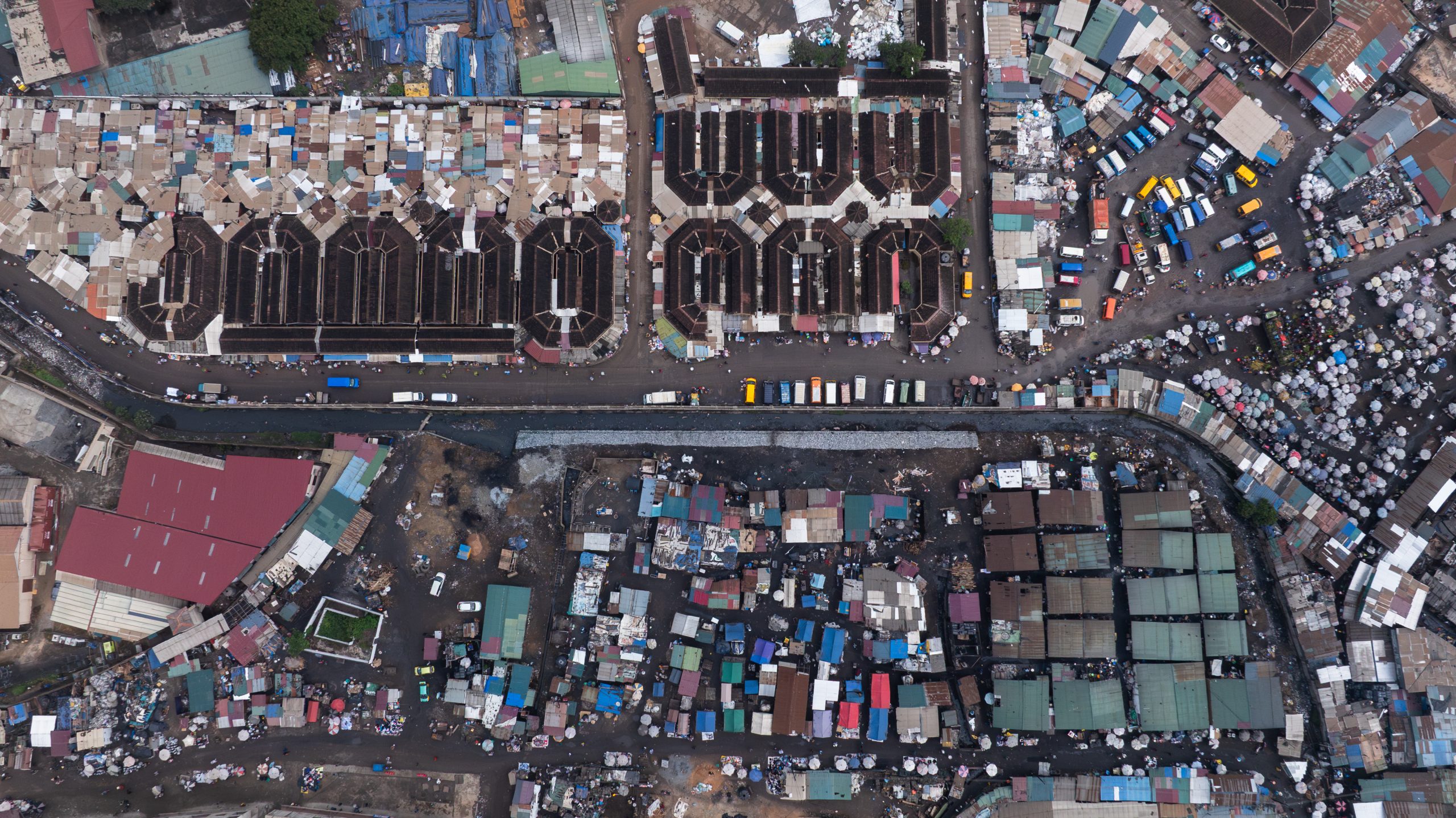
Kantamanto, in the heart of Accra, is one of the world’s largest second-hand clothing markets, where up to 30,000 traders, retailers, upcyclers and other workers operate within a tightly woven commercial ecosystem. During heavy downpours, many of its narrow lanes have historically become submerged within minutes, damaging stock and bringing trade to a halt.
This year, however, was different. Not because of luck, but because of months of painstaking work that much of the city never saw.
As a bioengineer, this author probably should have spent more time obsessing over DNA or proteins. Instead, she found herself repeatedly distracted by water.
A molecule made up of just two hydrogen atoms and one oxygen atom expands when it freezes, allowing ice to float instead of sink. It absorbs enormous amounts of heat, quietly regulating the Earth’s climate. It dissolves, transports and transforms almost everything it touches, yet has an extraordinary ability to make life possible.
The more this author studied it, the more the proverb made sense.
Water does not negotiate. It does not care how much money has been spent paving roads or how much confidence there is in the engineering. It simply follows gravity, moving according to laws that long predate cities by millennia.
Every rainy season in Accra reminds residents of this fact.
Toni Morrison once wrote that “all water has a perfect memory and is forever trying to get back to where it was.”
That observation describes June in Accra better than many planning documents ever could.
Accra is often described as a city vulnerable to flooding. Perhaps a more accurate description is that Accra is a vast coastal wetland that has spent more than a century being asked to behave like a European city.
Long before roads criss-crossed the landscape, it was a network of lagoons, marshes and floodplains that absorbed rainfall and gently channelled it towards the Gulf of Guinea.
Colonial planners treated those wetlands as empty land waiting to be reclaimed, believing rivers could be confined and that concrete represented progress.
Independence changed who governed Accra, but not always the assumptions underpinning how it should grow.
Meanwhile, water continued consulting a much older map, returning every rainy season to the places paved over and reminding residents that landscapes have longer memories than cities.
So Kantamanto did not flood this year – for the first time in more than two decades.
Not because somehow the water was outsmarted, but because months were spent making it easier for water to do what it has always sought to do. Effective flood prevention cannot begin only when the clouds gather.
Over the past several years, this author has been privileged to be part of the team building The Or Foundation’s Community Ecological Care Network (CECN), alongside retailers, waste workers, scientists and community leaders across Accra.
Together, the team has come to see ecological care not as charity or volunteerism, but as an essential part of how a city functions.
Ahead of this year’s rainy season, that meant working with the Accra Metropolitan Assembly and market leadership to clear the canal into which much of Kantamanto’s drainage eventually empties.
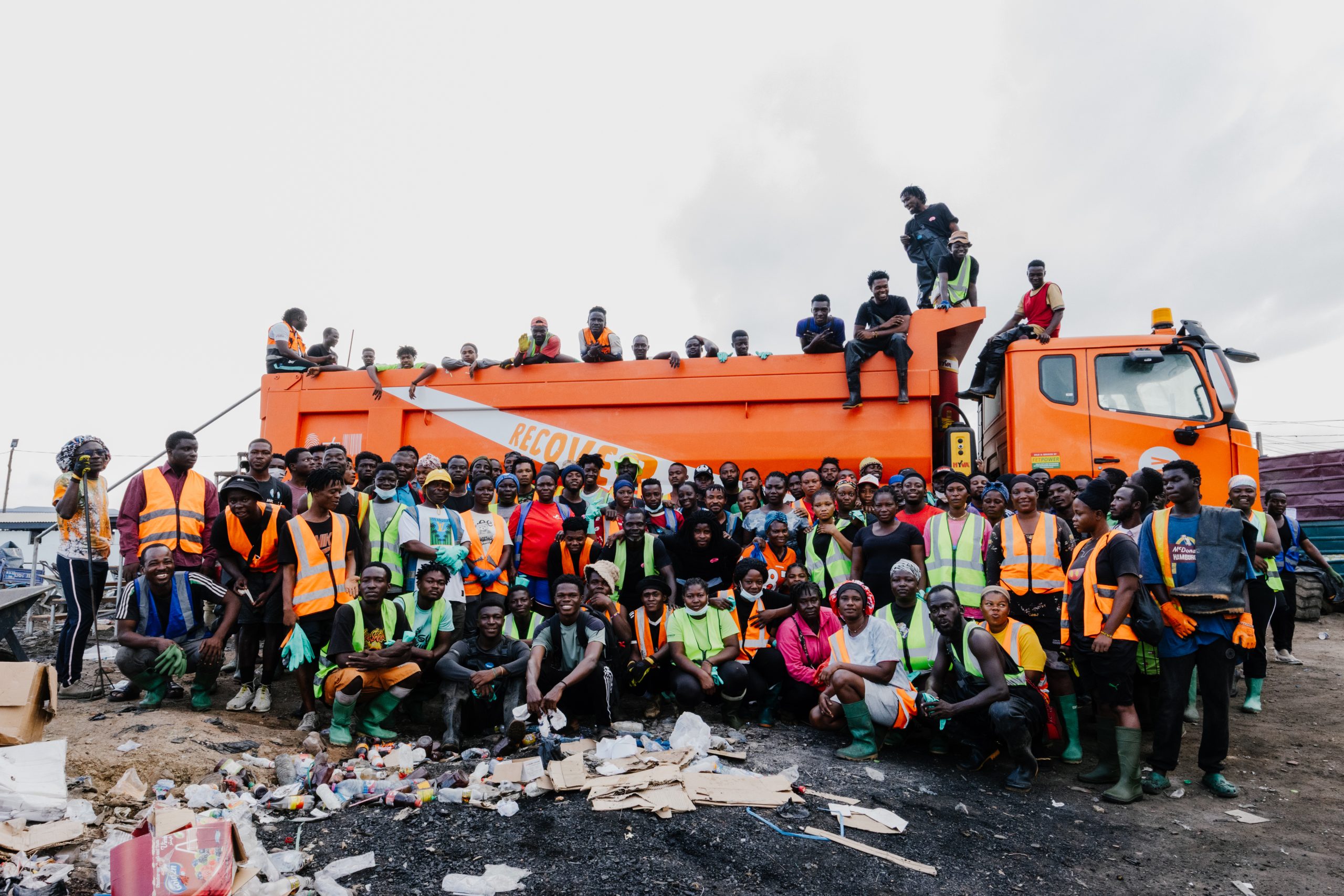
It meant excavating an informal dumpsite that had gradually narrowed the water’s path by removing more than 100 truckloads of waste before the rains arrived.
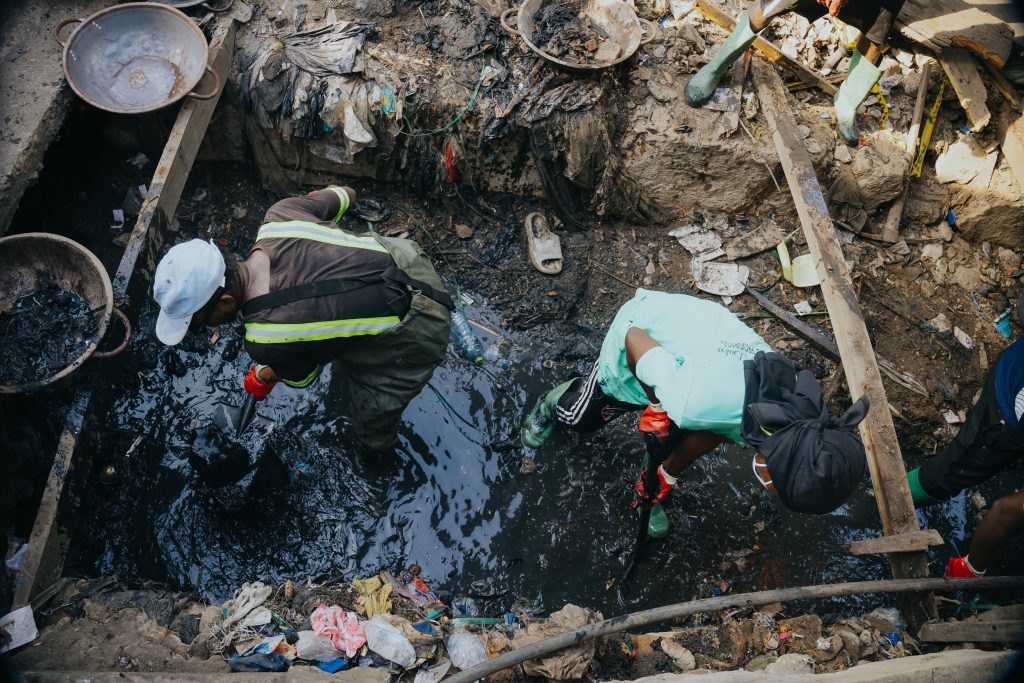
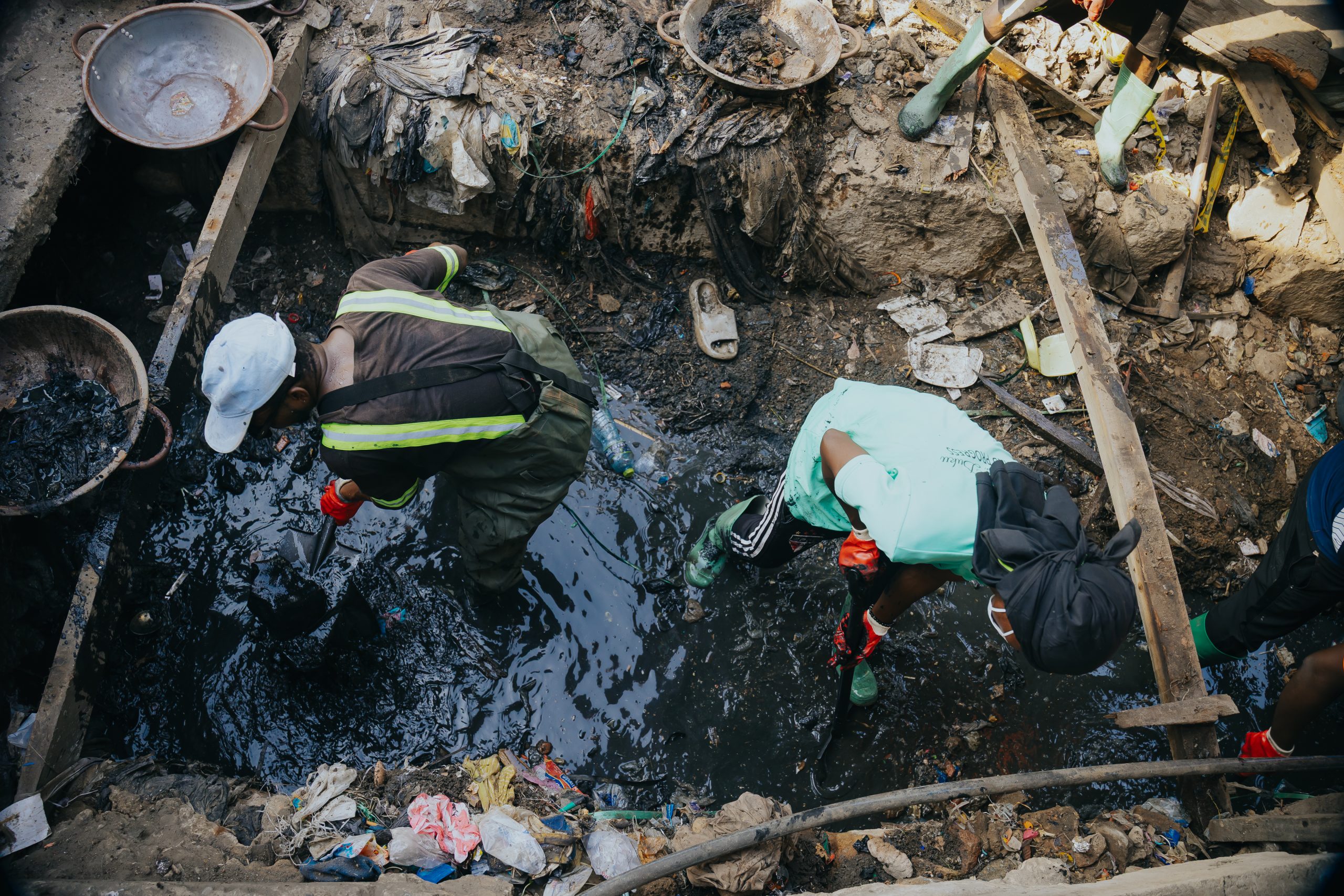
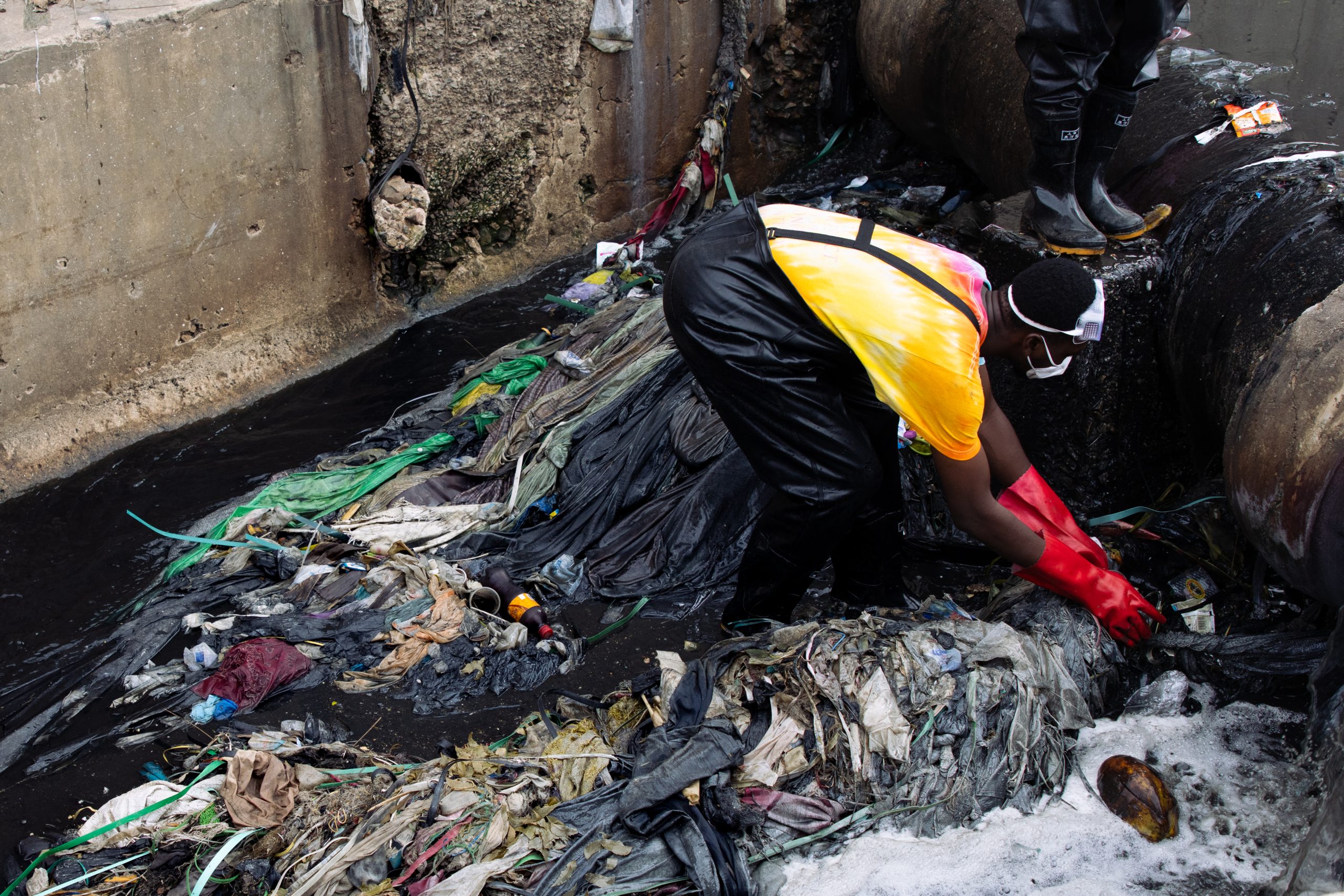
It also meant deploying more than 150 members of the Tide Turners and June 4 Task Force cooperatives into the underground Okai Kwei storm drain to remove decades of accumulated silt, plastics and textile waste from a drain reportedly not desilted since it was constructed in the 1980s.
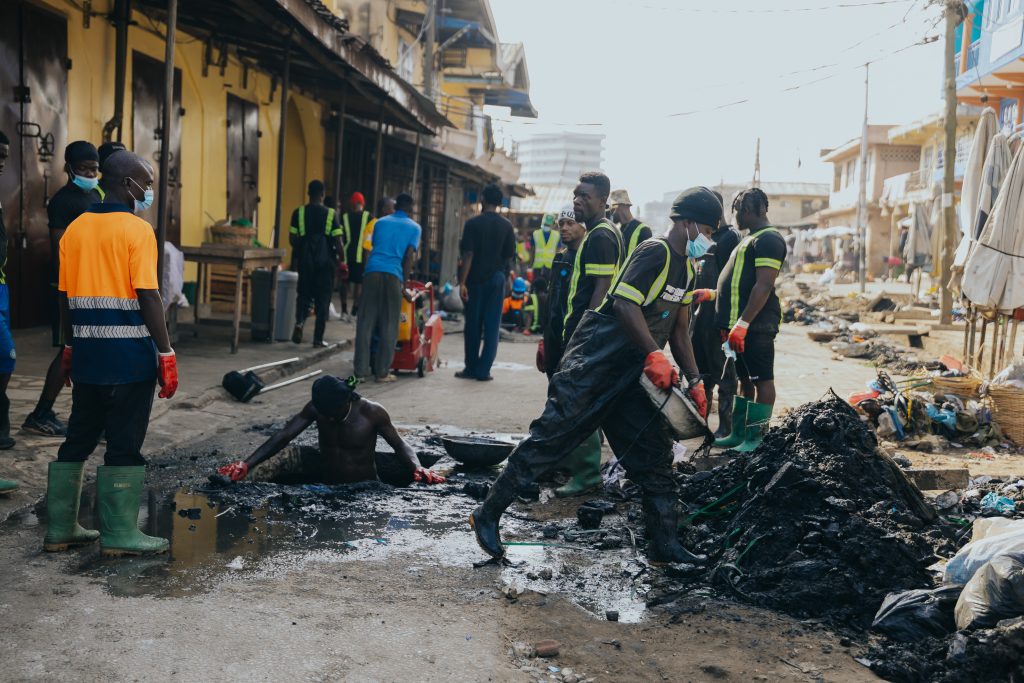
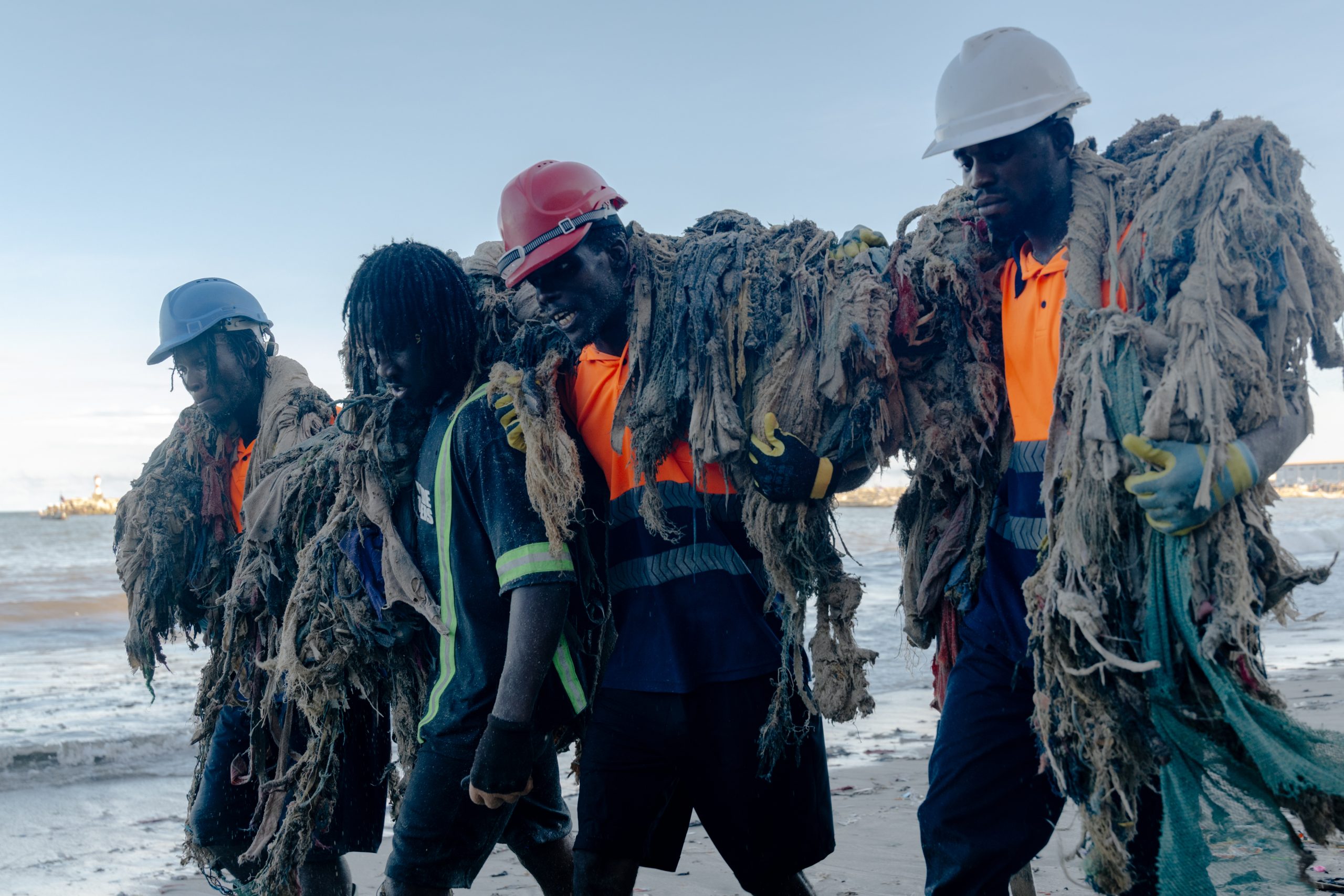
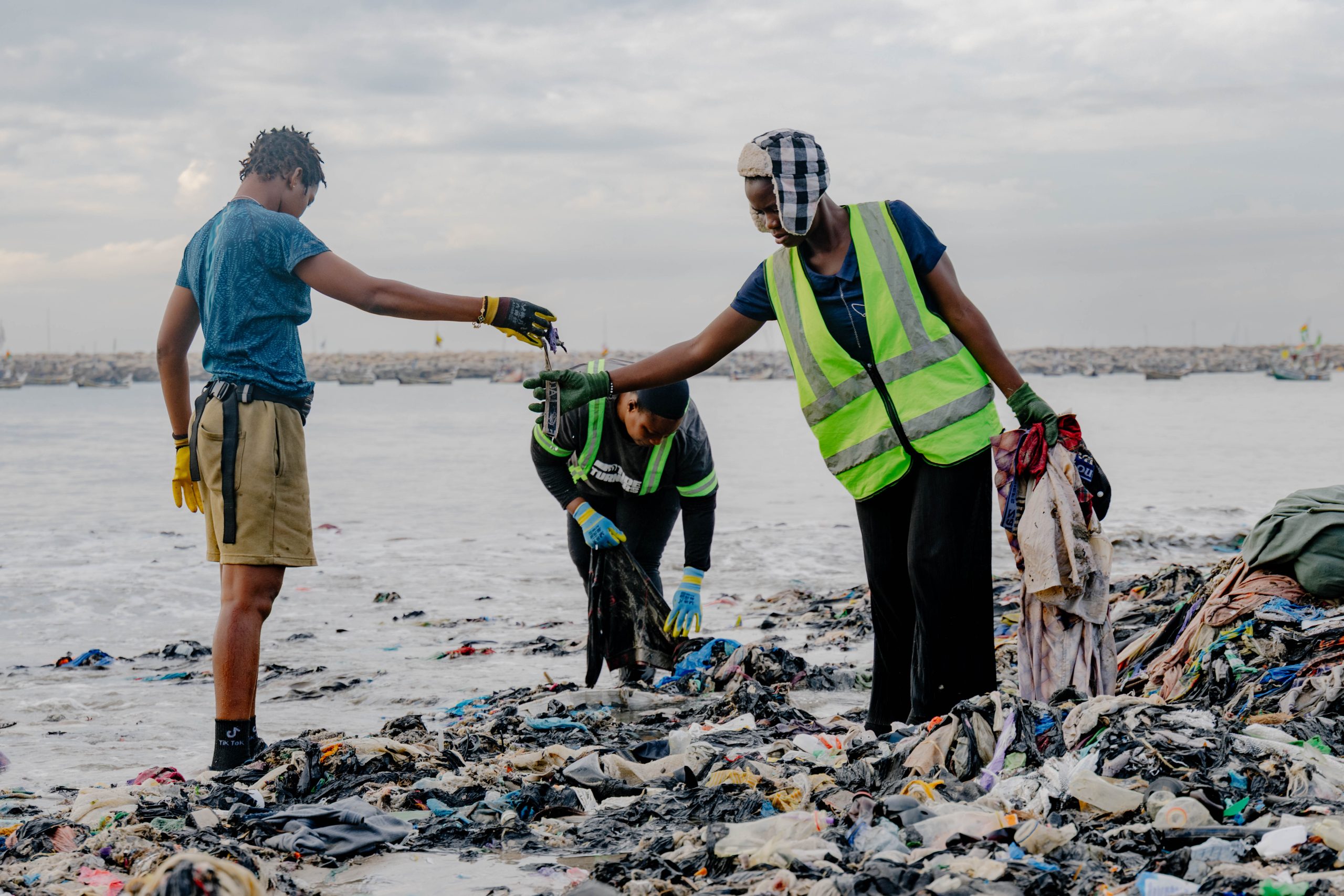
The work also included recovering waste reaching the beach by removing an average of 30 tonnes every Tuesday, monitoring a seven-kilometre stretch of coastline each week to identify hotspots, maintaining plastic interceptors that prevent floating waste from moving downstream, diverting textiles before they become blockages, and keeping drainage channels open through consistent daily maintenance.
Alongside these activities, the Kanta Keepers cooperative cleans Kantamanto every evening, preventing textile waste from entering the drainage network or being disposed of through open burning.
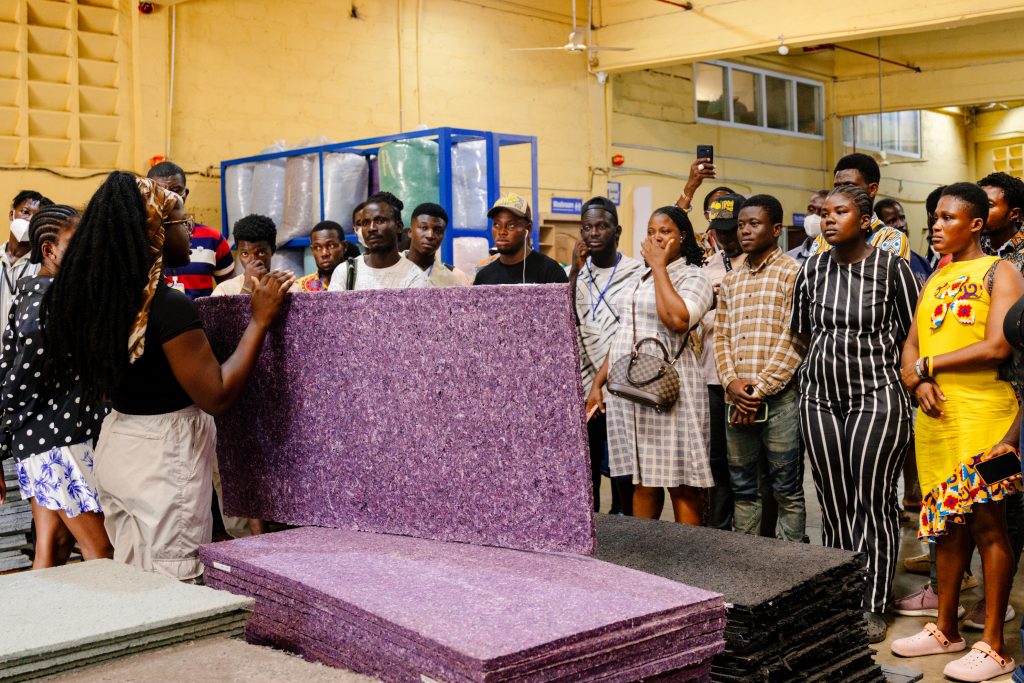
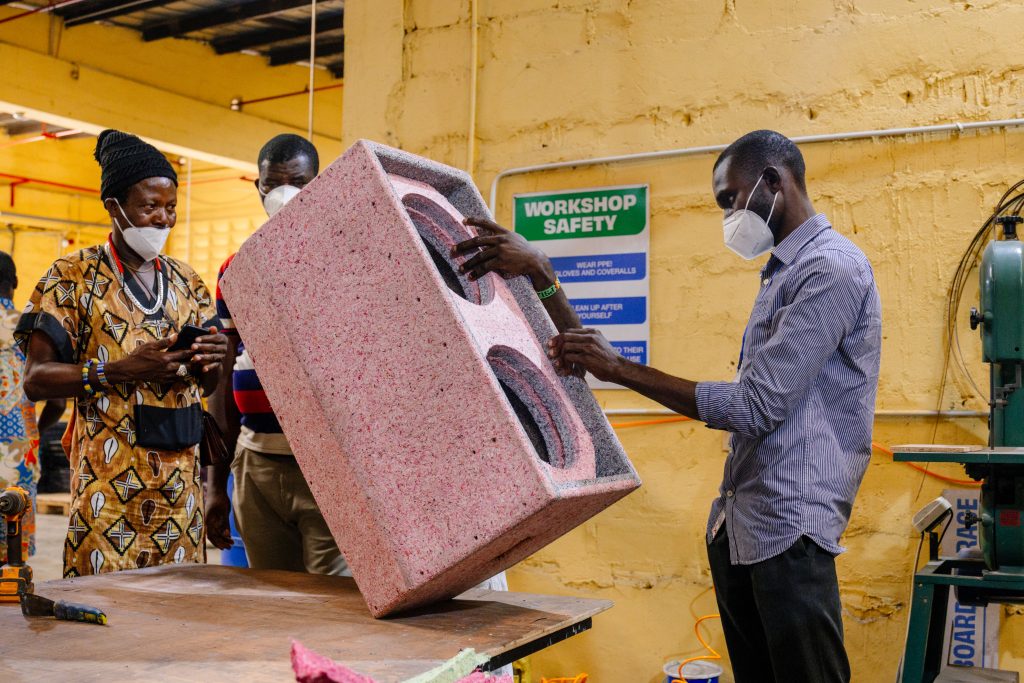
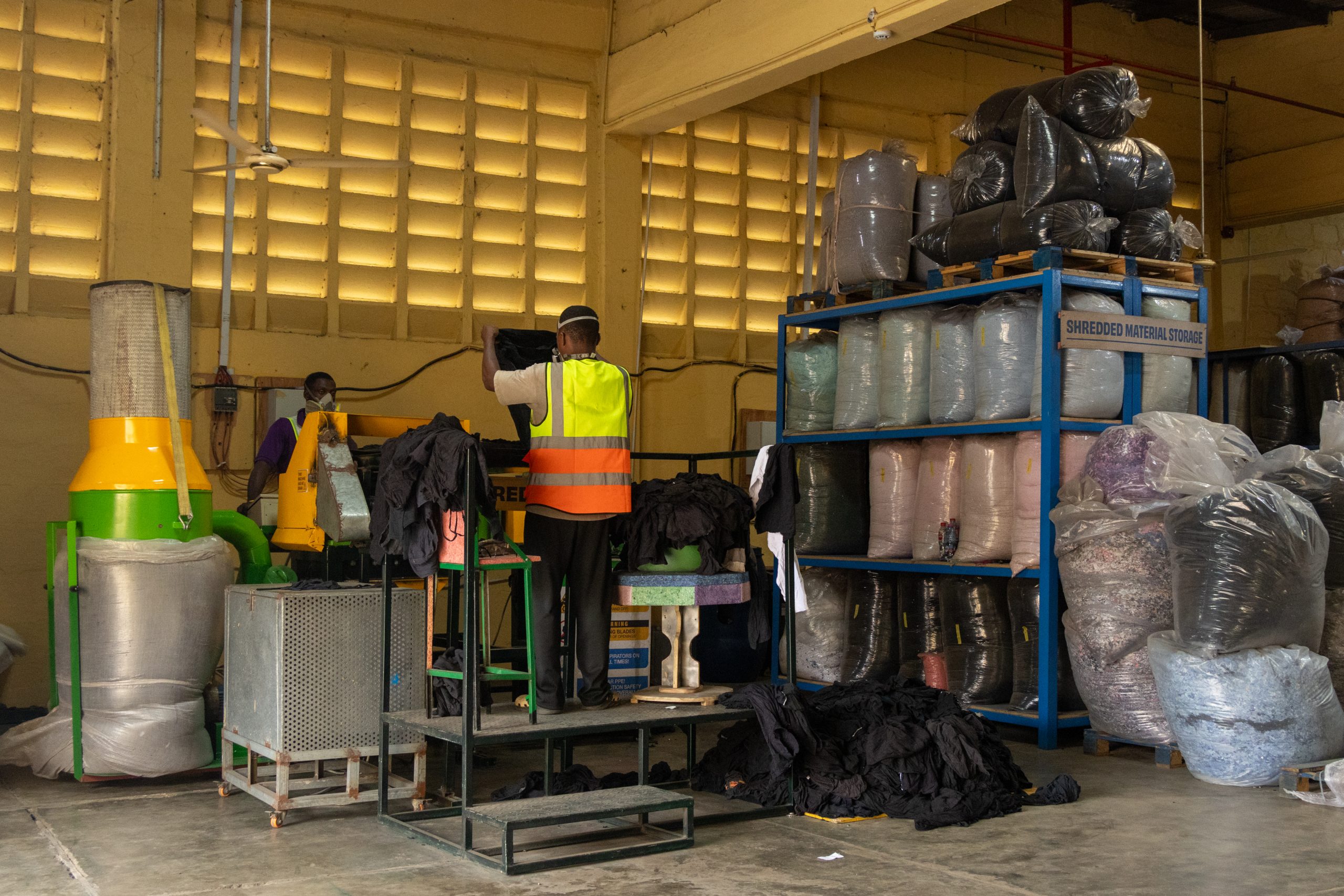
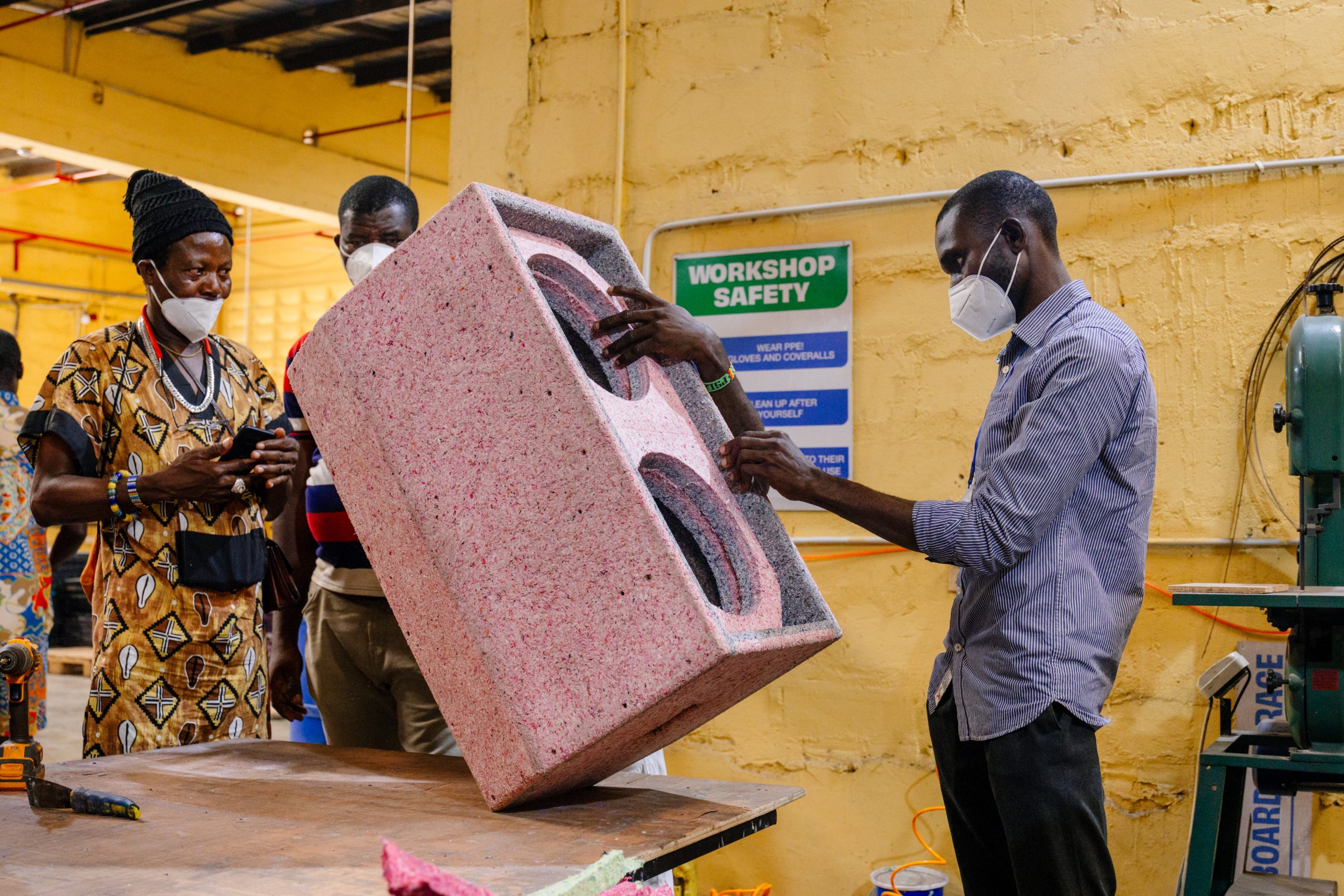
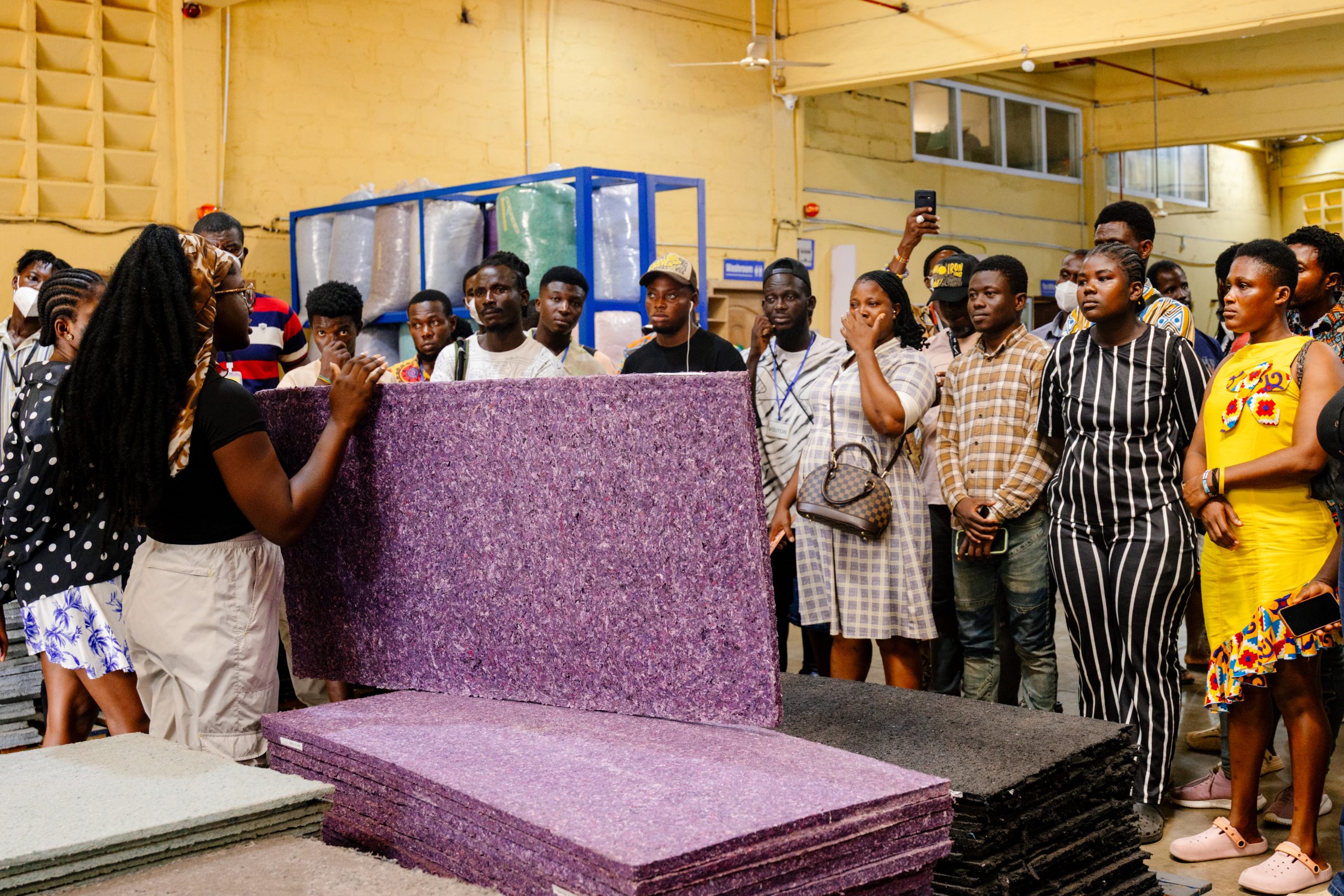
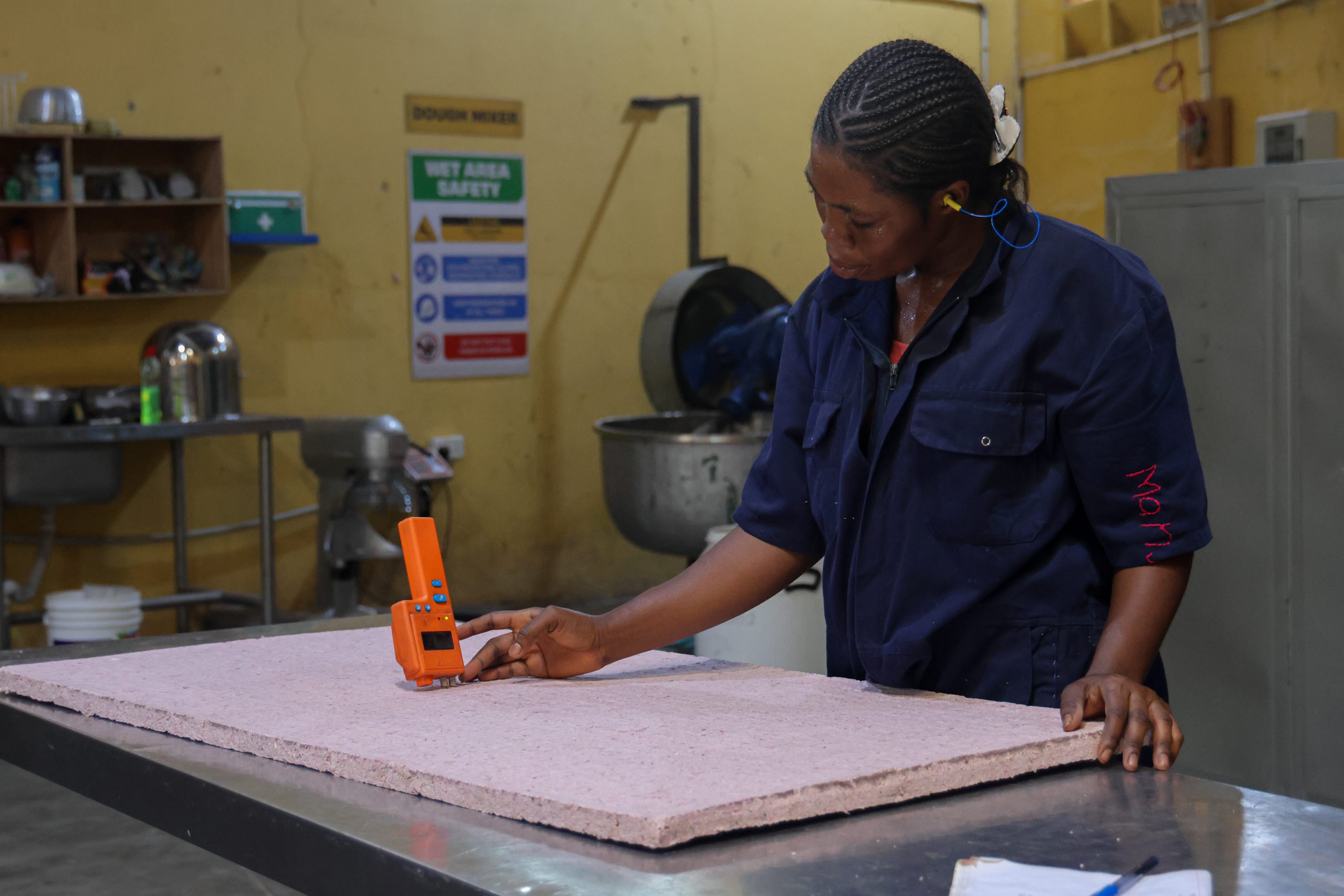
Some of the collected material is processed at The Or Foundation’s Material Transformation and Technology Lab (MTTL), where it is recycled into new materials and products using innovative locally developed methods.
At the same time, community ambassadors monitor flood-prone areas, document blocked drains and report emerging issues, while citizen scientists collect environmental data that help identify recurring patterns and guide interventions across the watershed.
Together, these consistent daily activities have built the kind of environmental memory that cannot be captured in a single satellite image or one-off assessment.
None of these interventions is particularly glamorous. Most happen on ordinary Wednesdays and rarely make the evening news.
Taken together, however, they reveal something too often overlooked: infrastructure is only as resilient as the social systems that care for it.
A drain that nobody maintains quickly ceases to function as infrastructure and instead becomes a hazard. A flood map is useful only if someone notices when the landscape changes.
Engineering matters, but so does stewardship.
At The Or Foundation, the mission is to catalyse a justice-led circular textiles economy by embracing community ecological care.
Perhaps community ecological care is best understood not as a substitute for public infrastructure, but as the living system that enables public infrastructure to function as intended.
This year’s rains offered a glimpse of what such a partnership can achieve.
Community ambassadors reported no flooding within Kantamanto Market, not because rainfall was less intense or climate change somehow paused, but because months of consistent maintenance, textile diversion, ecological restoration and collaboration improved the market’s ability to move water through a landscape that has always known where it wants to go.
It has been encouraging to witness renewed public investment in flood prevention and urban sanitation across Accra.
As government continues this important work, there is also the need to broaden the understanding of who holds expertise.
Communities should not simply be invited to participate after strategic decisions have already been made. Years of ecological stewardship, environmental monitoring and lived experience have generated knowledge capable of shaping those decisions from the outset.
The future of climate adaptation will depend not only on better infrastructure, but also on stronger partnerships among engineers and retailers, scientists and waste workers, local government and local communities.
Water no get enemy.
Fela may have understood something that many are only now beginning to rediscover. The goal was never to conquer water, but to build cities humble enough to live with it.


GNA
Edited by Beatrice Asamani Savage
The author is the Head of Environmental Justice at The Or Foundation