Accra, July 24, GNA – The International Justice Mission Ghana has trained child protection and justice sector stakeholders to strengthen trauma-informed, survivor-centred responses to abuse and exploitation.
The two-day Trauma-Informed Care (TIC) training, organised by International Justice Mission (IJM) Ghana in collaboration with the Department of Social Welfare and Community Development, brought together personnel from law enforcement agencies, Community Child Protection Committees (CCPCs) and the judiciary.
The training sought to improve participants’ understanding of trauma and its long-term effects on survivors while promoting coordinated, survivor-centred approaches within Ghana’s child protection and justice systems.
Participants also explored the impact of vicarious trauma on professionals and acquired practical self-care strategies to enhance their resilience while supporting vulnerable children and survivors of abuse, exploitation and violence.
The workshop further provided a platform for stakeholders to strengthen multidisciplinary case management, improve referral pathways and clarify institutional roles to ensure comprehensive support services for survivors.
Mrs Vida Mamle-Selorm Hodinyah, Aftercare Manager at IJM Ghana, said trauma-informed care required professionals to understand survivors through their lived experiences rather than define them by their struggles.
“Trauma-informed care is not merely a professional skill, it is a commitment to recognizing the experiences of survivors and responding in ways that promote healing and dignity,” she said.
She said when social workers, law enforcement officers, community protection actors and the judiciary shared that understanding, survivors were more likely to receive the support needed to recover and rebuild their lives.
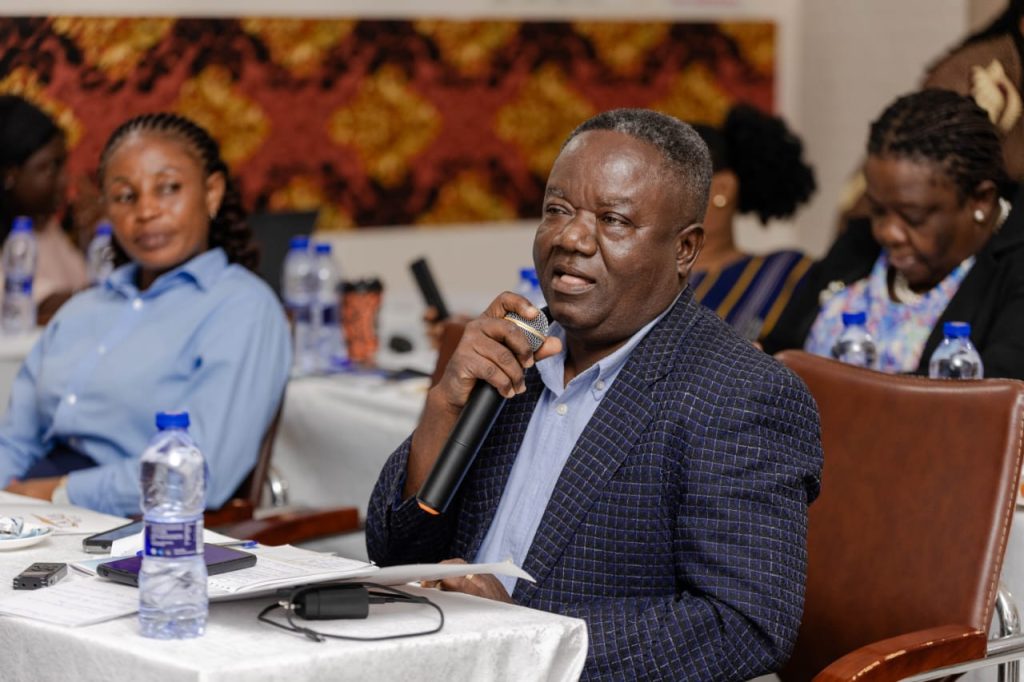
Mr Enoch Bampoe Addy, Head of the Department of Social Welfare and Community Development at the Ada East District, said the training had equipped participants with practical tools that could be applied immediately in their work.
“Every interaction with a survivor has the potential either to support healing or to unintentionally deepen trauma. This training has reinforced the need for empathy, patience, and coordinated service delivery,” he said.
He reaffirmed the commitment of social workers to prioritising the best interests and well-being of survivors at every stage of intervention.
Superintendent William Ayaregah, Head of the Anti-Human Trafficking Unit of the Ghana Police Service, said integrating trauma-informed approaches into investigations would improve both survivor engagement and justice delivery.
“Effective law enforcement is not only about gathering evidence; it is also about ensuring that survivors feel safe, respected, and heard throughout the justice process,” he said.
He added that understanding trauma enabled officers to conduct investigations more effectively while minimising further harm to victims.
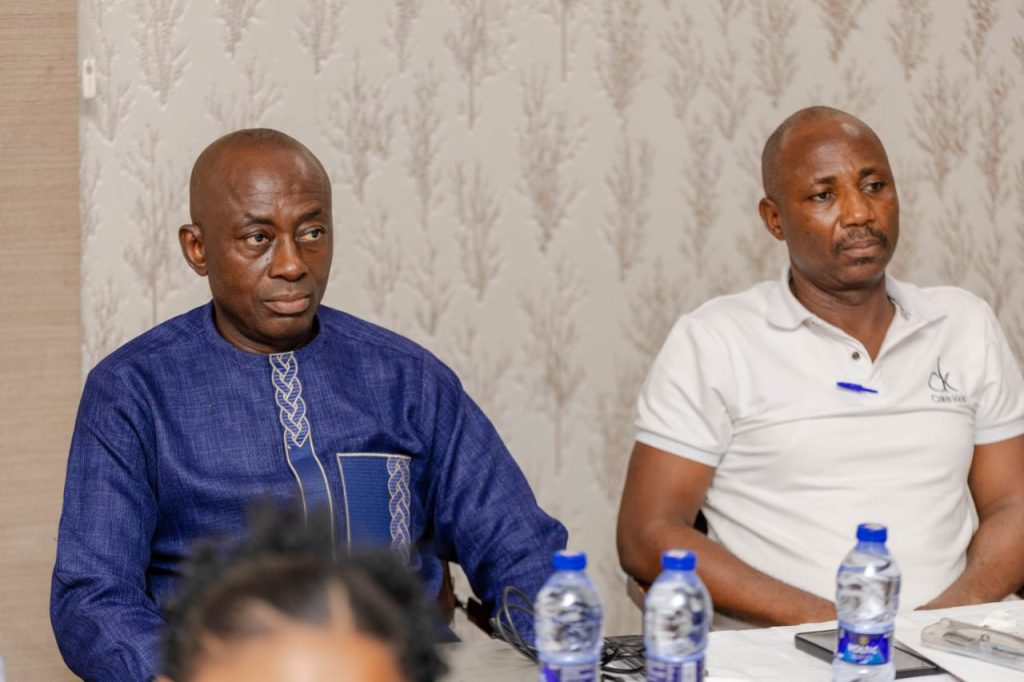
The training also featured members of the Ghana Survivors Network from the Hope in Freedom and Overcomers Chapters, who shared their lived experiences to enrich discussions on survivor-centred practices.
IJM said the initiative formed part of ongoing efforts to strengthen Ghana’s child protection and justice systems by equipping institutions with the knowledge and skills to provide trauma-informed services and improve collaboration in protecting vulnerable populations.
GNA