By Christiana Afua Nyarko, GNA
Accra, July 28, GNA – Dr Ewura Adjoa Nunoo, Public Health Physician Specialist at the 37 Military Hospital, has called for free hepatitis B vaccination for adults to reduce Ghana’s growing burden of viral hepatitis.
She said extending vaccination coverage beyond infants would help prevent new infections and reduce long-term complications associated with the disease.
In an interview with the Ghana News Agency on the sidelines of the 2026 World Hepatitis Day commemoration at Burma Camp, Dr Nonoo said the cost of vaccination should not be a barrier to disease prevention.
“The vaccine costs about GH¢45 per dose and an adult requires three doses. For less than GH¢150, you can protect yourself for life,” she said.
Dr Nonoo suggested that government support be extended to annual hepatitis screening campaigns to include free vaccination for eligible adults.
“Perhaps in future World Hepatitis Day campaigns, vaccination can be added to the screening exercise and made free to encourage more people to protect themselves,” she said.
Dr Nonoo described hepatitis as a major public health concern, noting that about three million Ghanaians were estimated to be living with hepatitis B, with chronic hepatitis B prevalence ranging between eight and 12 per cent, while hepatitis C prevalence was estimated at between three and six per cent.
She said Ghana was intensifying efforts to combat viral hepatitis through public education, screening and treatment initiatives involving the Ministry of Health, the Ghana Health Service and healthcare institutions nationwide.
“We have really gone all out this year. The Ministry of Health, the Ghana Health Service and many other stakeholders are all playing their part.
It is a nationwide effort to reduce the numbers,” she said.
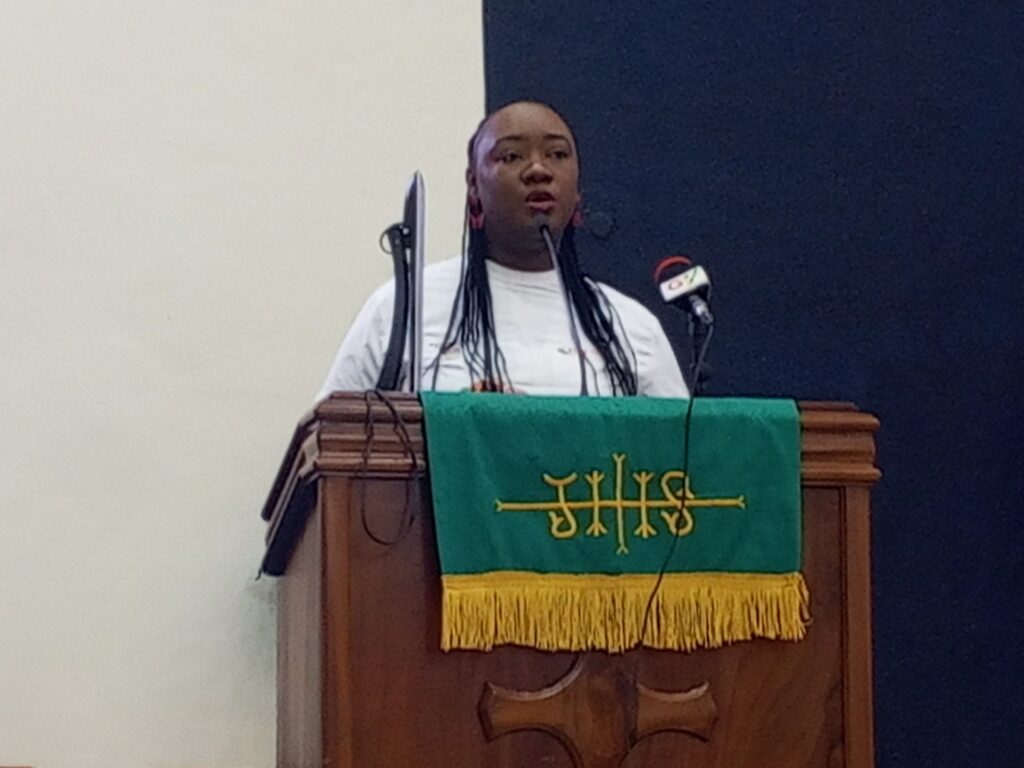
Dr Nonoo said public education remained critical in addressing misconceptions about hepatitis and encouraging people, particularly men who often delayed seeking healthcare, to undergo screening.
“Knowledge is power. What people do not know is often what they fear. When people understand how hepatitis is transmitted, its signs and symptoms, and the treatment options available, they are more likely to make informed decisions and get tested,” she said.
Dr Nonoo advised the public not to fear hepatitis screening, explaining that persons who tested positive could access treatment, while those who tested negative could receive vaccination to prevent future infection.
She said hepatitis C treatment was available and that early diagnosis significantly improved treatment outcomes and reduced complications such as liver cirrhosis and liver cancer.
Dr Nonoo urged Ghanaians to take advantage of screening exercises organised during World Hepatitis Day and throughout the year to know their status and seek appropriate care.
Viral hepatitis comprises five main types – hepatitis A, B, C, D and E – caused by different viruses but capable of damaging the liver.
Hepatitis A and E are mainly transmitted through contaminated food and water and can be prevented through improved sanitation, safe drinking water and good hygiene practices.
Hepatitis B, C and D are primarily transmitted through infected blood, unsafe injections, unprotected sexual contact and mother-to-child transmission during childbirth.
Hepatitis D occurs only among people already infected with hepatitis B.
Health experts say hepatitis B can be prevented through vaccination, while hepatitis C can be cured with effective antiviral medicines.
Early testing, prompt treatment, infection prevention measures, safe blood transfusion practices and routine immunisation remain key strategies in Ghana’s efforts to eliminate viral hepatitis as a public health threat.
GNA
Edited by Kenneth Sackey
Reporter: Christians Afua Nyarko, GNA