A GNA Feature by Solomon Gumah
Nabela (N/R), July 28, GNA – Madam Azaratu Jakpakil, a 56-year-old smallholder farmer at Nabela in the Yendi Municipality of the Northern Region, says she has lost count of the number of times she has had to spread her 20 bags of maize under the scorching sun to protect them from pests.
“The university fees of my two children depend on this maize,” she told the Ghana News Agency (GNA).
She added: “All the insecticides I have bought have failed, so drying the maize in the sun remains my only option.”
Her experience reflects that of thousands of farmers across Ghana who lose substantial quantities of food after harvest because of insect infestation, poor storage, bushfires, spoilage, inadequate transport and other preventable factors.
These losses reduce farmers’ incomes, threaten national food security, increase food prices and undermine efforts to reduce poverty and hunger.
The World Food Programme (WFP) estimates that Ghana loses about US$1.9 billion worth of agricultural produce annually through post-harvest losses, with cereals such as maize, rice and sorghum accounting for about US$141 million.
The Food and Agriculture Organization’s (FAO) 2025 State of Food Security and Nutrition in the World report indicates that 673 million people, representing 8.2 per cent of the world’s population, experienced hunger in 2024. In Africa, more than 307 million people, or over 20 per cent of the population, faced hunger, with projections showing that nearly 60 per cent of the 512 million chronically undernourished people expected globally by 2030 could come from Africa.
The WFP also reported that 2.4 million Ghanaians, representing 7.4 per cent of the population, were vulnerable to food insecurity between March and May 2025. Earlier, the Ghana Statistical Service found that 49.1 per cent of Ghanaians experienced food insecurity in 2022, while the 2020 Comprehensive Food Security and Vulnerability Analysis estimated 3.6 million people were food insecure.
These figures suggest that while Ghana continues to increase agricultural production, significant quantities of food never reach consumers because they are lost during harvesting, transportation, drying, storage, processing and marketing.
Besides reducing farmers’ incomes, post-harvest losses increase food prices, weaken agro-processing industries, reduce export competitiveness and slows progress towards achieving Sustainable Development Goal Two on ending hunger.
It also undermines efforts to reduce poverty, promote responsible consumption and combat climate change since wasted food represents wasted land, water, labour, energy and financial resources.
Against this background, experts say Ghana must complement efforts to increase agricultural production with investments in modern post-harvest technologies, particularly hermetic storage.
Dr Issah Sugri, the Deputy Director of the Council for Scientific and Industrial Research-Savanna Agricultural Research Institute, described post-harvest losses as one of the greatest threats to sustainable agriculture and national food security.
He said although Ghana had improved crop productivity, poor storage systems, insect infestation, rodents, mold, moisture and climate-related factors continued to destroy large quantities of harvested produce.
“We cannot continue to measure agricultural success only by what farmers harvest. We must also measure how much of that harvest safely reaches consumers. Every bag of grain lost after harvest represents lost income for farmers, reduced food availability and wasted investment,” he said.
Dr Sugri stressed that climate variability was making traditional storage systems increasingly unreliable and called for greater investment in improved storage technologies and farmer education.
Hermetic storage refers to airtight storage systems that preserve grains by preventing the movement of oxygen and moisture between stored produce and the surrounding environment.
Unlike conventional storage methods that depend largely on chemical pesticides, hermetic storage creates an oxygen-deficient environment that suppresses insect activity, prevents mold growth and maintains grain quality for extended periods.
The technology includes hermetic bags, plastic cocoons, metal silos and other airtight containers suitable for household and commercial use.
Dr Sidik Baba Sulemana, Agricultural Technology Innovation Consultant and Lecturer at the University for Development Studies, Nyankpala Campus, described hermetic storage as one of the most practical and cost-effective solutions to reducing post-harvest losses among smallholder farmers.
He explained that the airtight environment deprives insects of oxygen, preventing reproduction while preserving grain quality without chemical pesticides.
He said hermetic storage also preserves seed viability, reduces aflatoxin contamination, maintains grain quality and allows farmers to store produce safely until market prices improve.
He said wider adoption of the technology would improve household food security, increase farmers’ incomes, reduce financial losses and strengthen agricultural value chains.
Dr Sulemana urged government to support widespread adoption through farmer education, affordable financing and improved distribution systems.
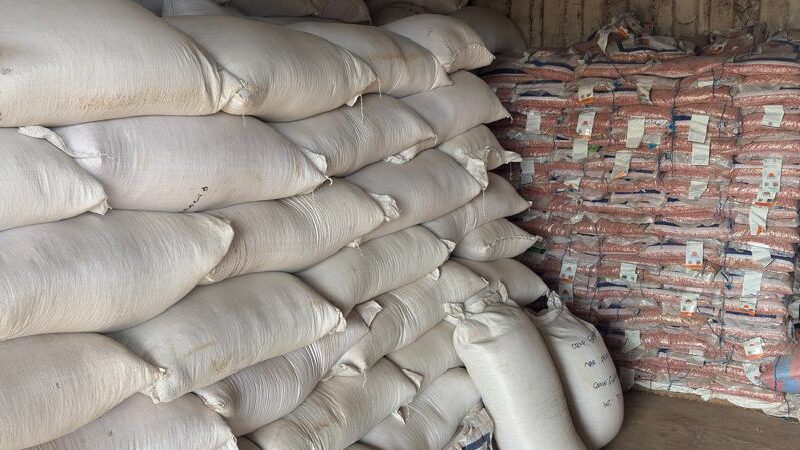
Several African countries have already demonstrated the benefits of hermetic storage technology.
In Kenya, widespread use of hermetic storage bags has significantly reduced storage losses, improved grain quality and enabled maize farmers to store produce safely for several months before selling.
Nigeria has promoted hermetic storage through research institutions and development partners, reducing insect damage and improving household food reserves and farmer incomes.
Similarly, Ethiopia has incorporated hermetic storage into food security interventions, helping farming households preserve more grain and strengthen resilience against drought and climate shocks.
These experiences demonstrate that reducing post-harvest losses through improved storage can significantly increase food availability without expanding cultivated land.
To achieve similar results, Ghana should adopt a coordinated national strategy centered on hermetic storage technology.
This should include expanding access to affordable hermetic storage bags, metal silos and other airtight storage systems, particularly for smallholder farmers.
Agricultural extension services should be strengthened to train farmers on proper harvesting, drying and storage practices while promoting climate-smart agriculture.
Government should also provide affordable credit and incentives to enable farmers, cooperatives and agribusinesses to invest in improved storage technologies.
Equally important is stronger collaboration among government, research institutions, universities, development partners and the private sector to promote local production, research and nationwide adoption of hermetic storage technologies.
Reducing post-harvest losses presents one of Ghana’s greatest opportunities to improve food security without expanding agricultural land.
Scaling up hermetic storage technology would safeguard farmers’ incomes, reduce food waste, strengthen national food security and build a more resilient agricultural sector capable of feeding a growing population while supporting sustainable development.
GNA
Edited by Eric K Amoh/Benjamin Mensah
Writer’s Email address: [email protected]