By Yussif Ibrahim, GNA
Kumasi, July 28, GNA – The Ghana Anti-Corruption Coalition (GACC) has charged students to demonstrate integrity, transparency and accountability in their daily conduct as a way of promoting anti-corruption action at home, in school and in the community.
The advice was given during engagements with students of Buokrom M/A Junior High School and St. Louis Demonstration Junior High School as part of activities marking this year’s African Union Anti-Corruption Day.
The engagement, organised by the GACC, was facilitated by the Kumasi Metropolitan Assembly Local Accountability Network (KMA LANet), led by Ms. Faustina Osei Prempeh, the Secretary to the KMA LANet.
Reading remarks on behalf of the GACC Executive Secretary, Mrs. Beauty Emefa Narteh, Ms. Prempeh said the African Union Anti-Corruption Day was observed globally each year to deepen public awareness of corruption and its impact on development across the continent.
She said this year’s theme, “Scaling Up the Promotion of Integrity and Anti-Corruption Actions Across Africa,” underscored integrity as a critical value in the fight against corruption, stressing that, championing anti-corruption was a shared responsibility that extended beyond politicians to every citizen, including students.
Ms. Prempeh noted that the GACC was marking its 25th anniversary of advancing integrity, accountability and transparency in Ghana, and disclosed that the Coalition’s school sensitisation programmes had reached students across 40 districts in all 16 regions of the country.
She acknowledged the William and Flora Hewlett Foundation for its continued support of the programme, and charged the students to resist, reject and report any corruption-related conduct.
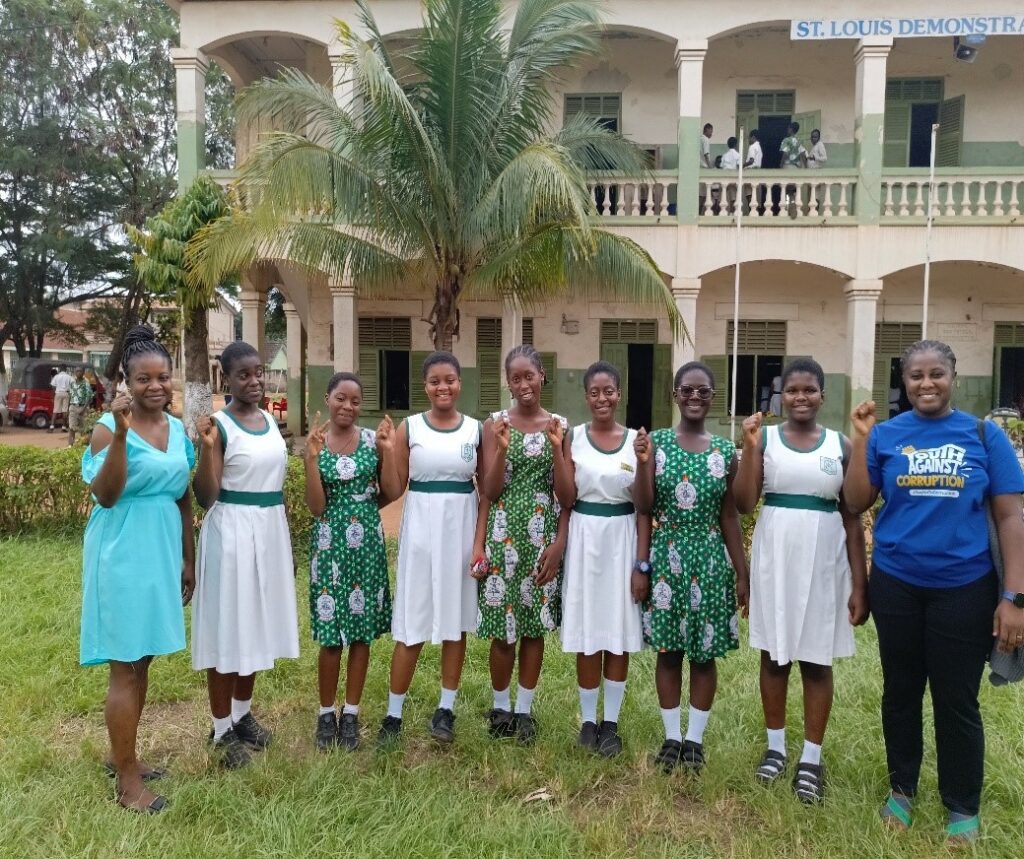
Facilitating a presentation on the theme, “Youth as the Vanguard of Integrity: Resist, Reject and Report Corruption for Africa’s Transformation,” Ms. Prempeh took the students through corruption-related offences in schools and their effect on national development, with emphasis on integrity, accountability and transparency as key values in combating the practice.
The students were encouraged to remain honest and truthful even when no one was watching, by refusing to engage in examination malpractice, protecting school property, returning lost items to their owners or to school authorities and rejecting favouritism, bribery and dishonesty.
Using the illustration of a leaking pipe, she explained how corruption drained resources and affected everyone in society.
The Whistleblowers Act and the confidentiality of reporting were also discussed, assuring students that their identities would be protected when they reported corrupt acts.
GNA
Edited by Kwabia Owusu-Mensah/Benjamin Mensah
Reporter: Yussif Ibrahim
[email protected]