By Opesika Tetteh Puplampu
Wokumagbe-Ada, July 30, GNA — ActionAid Ghana, in collaboration with Habitat for Humanity International (HFHI), UN-Habitat and the University of Twente, has launched a large-scale mangrove restoration project in the Ada West District to strengthen climate resilience and protect vulnerable coastal communities from the impacts of climate change.
The initiative, being implemented under the Improved Resilience of Coastal Communities in Côte d’Ivoire and Ghana (IRCC) Project with funding from the Adaptation Fund, coincided with the 2026 International Day for the Conservation of the Mangrove Ecosystem, also known as World Mangrove Day.
The project will restore 38 hectares of degraded mangrove ecosystems in Wokumagbe and Goi through the planting of about 95,000 mangrove seedlings.
The restoration contributes to the IRCC Project’s broader target of rehabilitating 410 hectares of degraded mangrove ecosystems across Ghana to improve biodiversity, strengthen coastal ecosystems and enhance climate resilience.
Speaking at the launch, Mr Justin Bayor, the Head of Programmes, Campaigns and Innovation at ActionAid Ghana, said the project formed part of a broader intervention being implemented in nine coastal communities.
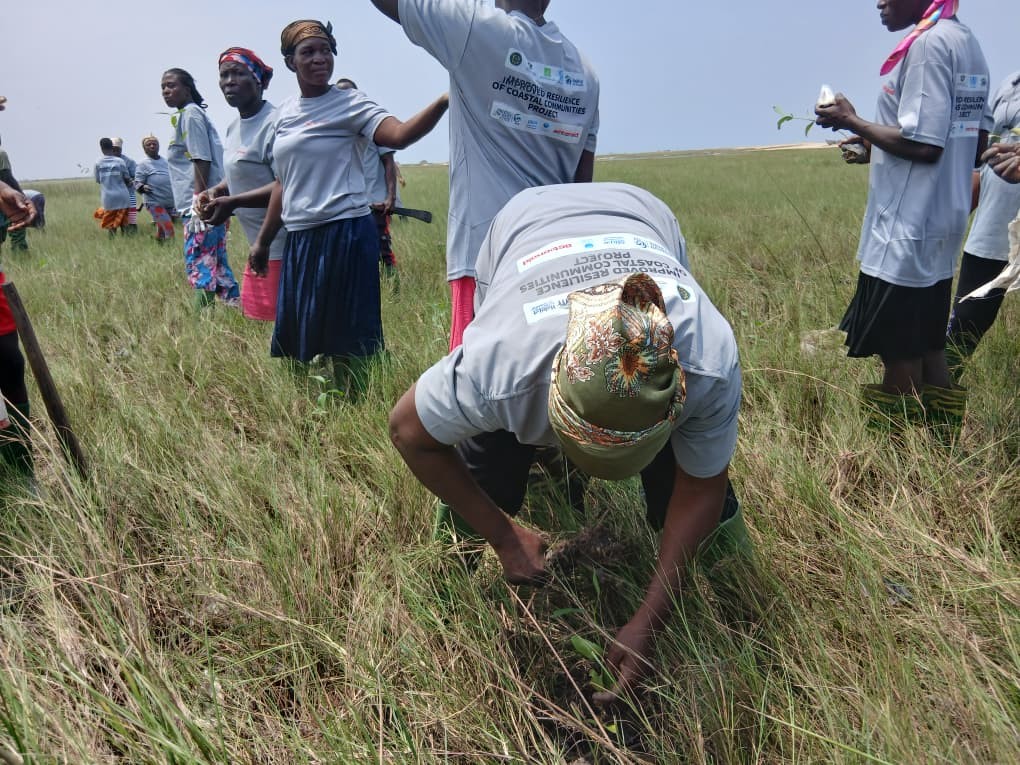
He described mangroves as one of the world’s most effective nature-based solutions to climate change.
“Mangroves protect our coastlines, preserve biodiversity and sustain the livelihoods of coastal communities,” he said.
Mr Bayor urged beneficiary communities to protect the restored mangroves against indiscriminate cutting, encroachment and other destructive activities.
He said restoring mangrove ecosystems would strengthen livelihoods, improve food security and enhance the resilience of communities vulnerable to coastal erosion and flooding.
Mr Solomon Antumwini, Country Representative of Habitat for Humanity International Africa-Ghana, described the initiative as part of a wider climate adaptation programme being implemented in Ghana and Côte d’Ivoire.
He appealed to beneficiary communities to safeguard the investment to ensure long-term environmental and socio-economic benefits.
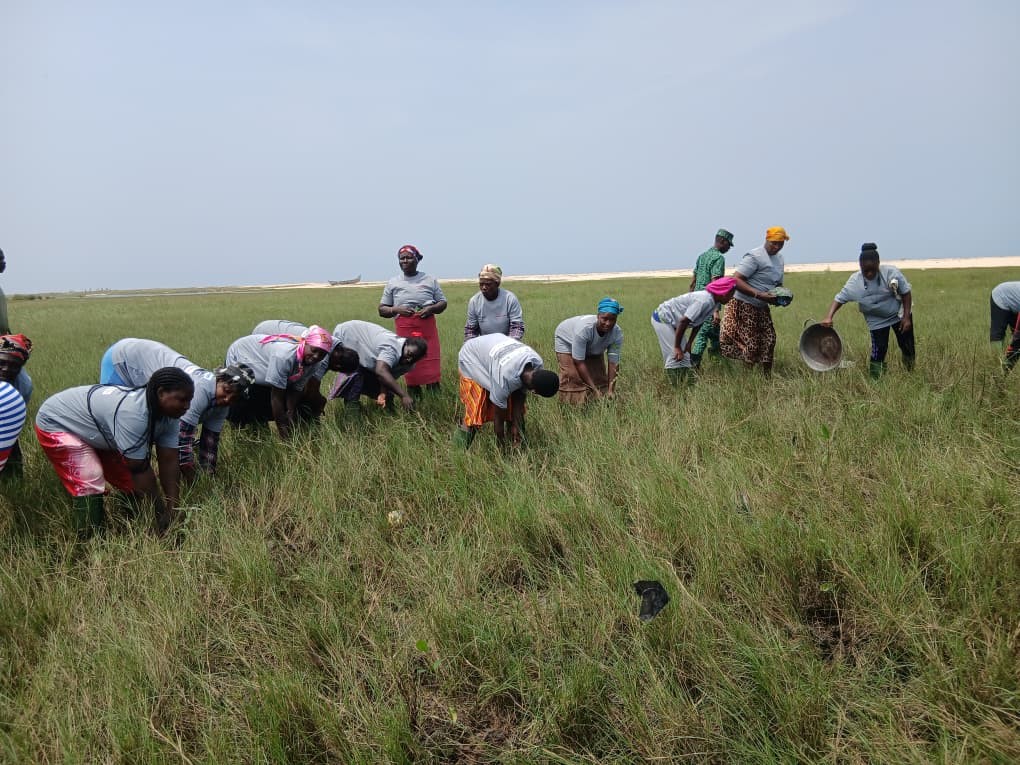
Mr Ernest Apenkwa, District Director of the Forestry Commission, commended the implementing partners for supporting the restoration of degraded wetlands and pledged the commission’s continued technical support.
Nene Siaw Adjorkey VII, the Chief of Wokumagbe, assured the project partners of the traditional authority’s commitment to protecting the restored mangrove ecosystem and preventing illegal activities that threaten it.
The IRCC project aims to strengthen climate resilience through ecosystem restoration, climate-resilient infrastructure and community-led adaptation measures in vulnerable coastal communities in Ghana and Côte d’Ivoire.
GNA
Edited by Laudia Anyorkor Nunoo/Benjamin Mensah
Reporter: Opesika Tetteh Puplampu