Accra, May 21, GNA – Volunteer leaders of the National Cadet Corps have called for more urgent and robust interventions to address the growing concerns of violence and lawlessness in schools.
They have, therefore, pledged their commitment to supporting initiatives aimed at promoting discipline, peaceful coexistence, and responsible citizenship among students.
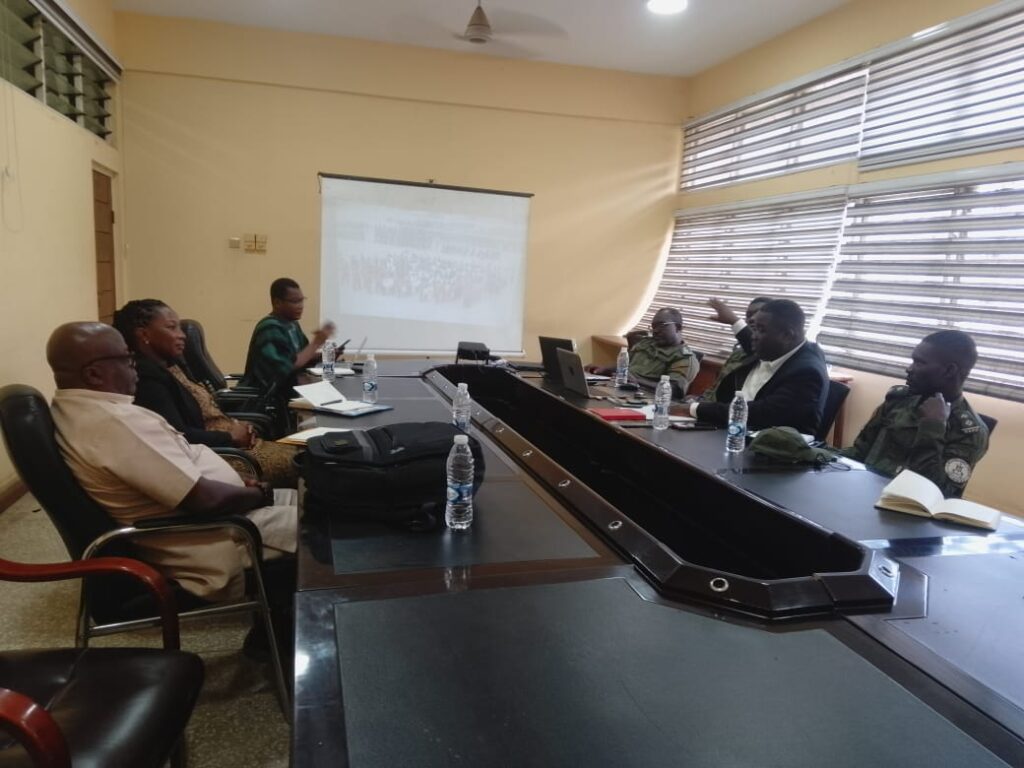
The pledge followed a strategic brainstorming meeting organised by MISORNU Safety Center and the Foundation for Security Development in Africa (FOSDA) with the leadership of the National Cadet Corps to strengthen collaboration and promote safe school environments across educational institutions in Ghana.
The meeting, held at the National Cadet Headquarters in Accra on Wednesday, focused on empowering Cadet Corps units in various educational institutions to help curb indiscipline, violence, bullying, substance abuse, and other unlawful behaviour in schools through positive behavioural change among the youth.
A release copied to the Ghana News Agency on Thursday said the meeting formed part of a follow-up engagement after a virtual training programme jointly organised by MISORNU Safety Center and FOSDA for more than 200 volunteer cadet leaders at Adanwomase in the Ashanti Region on May 5, 2026.
The training focused on youth leadership, school safety, responsible behaviour, and violence prevention among students.
Participants at the meeting observed that many students, particularly at the Junior and Senior High School levels, often lacked safe and structured opportunities to express their concerns, feel heard, and have their grievances addressed.
The participants noted that unresolved frustrations sometimes pushed young people into unacceptable conduct and exposed them to security and safety vulnerabilities.
Mr Nicholas Armatefio, National Coordinator of the National Cadet Corps, described incidents involving violent attacks, drug abuse, and other acts of lawlessness in some schools as worrying.
He noted that the Cadet Corps, through its structures at the national, zonal, regional, and school levels, provided a strategic platform for addressing youth indiscipline and promoting responsible behaviour among students.
“The National Cadet Corps is one of the biggest youth organisations where the spirit of volunteerism and responsible behaviour remains its core philosophy,” he stated.
Mr Armatefio said acts of violence, substance abuse, and indiscipline in schools could be reduced when comprehensive school safety and security systems were established in close collaboration with educational authorities and the Cadet Corps.
Mrs Theodora Anti, the Executive Director of FOSDA, and DCOP (Rtd.) David Eklu, Executive Director of MISORNU Safety Center, commended the Cadet Corps for its spirit of volunteerism, patriotism, and nation-building.
They described the National Cadet Corps as a highly strategic platform for youth development and empowerment through structured leadership development, discipline, mentorship, and capacity-building programmes.
The two civil society organisations reaffirmed their commitment to supporting initiatives that promoted safer learning environments and positive youth engagement.
They indicated that the Cadet Corps would play an important role in future programmes and interventions aimed at improving safety and security awareness in schools and communities.
GNA
Edited by Agnes Boye-Doe