By Solomon Gumah, GNA
Tamale, May 06, GNA – The Ghana Registered Midwives Association has commemorated this year’s International Day of the Midwife with a call for urgent investment in midwifery workforce development to improve maternal and newborn health outcomes in the country.
The International Day of the Midwife is observed annually on May 05 to recognise the vital role midwives play in safeguarding the lives of mothers and newborns worldwide.
The celebration was on the global theme: “One Million More Midwives”, and the national theme: “More Midwives for Ghana: Invest, Train, Retain – Save a Mother, Save a Nation”.
The event was organised with support from the United Nations Population Fund (UNFPA) and other partners, and brought together policymakers, development partners, health professionals, and student midwives.
It was also used to honour outstanding midwives from across the country for their dedication and contributions to maternal and newborn healthcare delivery.
Mrs Netta Forson Ackon, President of the GRMA, who made the call during the event in Tamale, said the country needed a comprehensive national strategy to address the challenges facing the midwifery profession, adding that increasing the number of midwives alone would not be sufficient.
She said such a strategy must ensure equitable deployment of midwives, improved working conditions, access to continuous professional development, clear career progression pathways, and measures to address burnout.
Ms Ackon described midwives as the backbone of maternal and newborn healthcare delivery, saying they continued to provide life-saving care across the ⁰country often under difficult conditions.
She said Ghana recorded more than 900 maternal deaths in 2025, emphasising that the situation required urgent and sustained action.
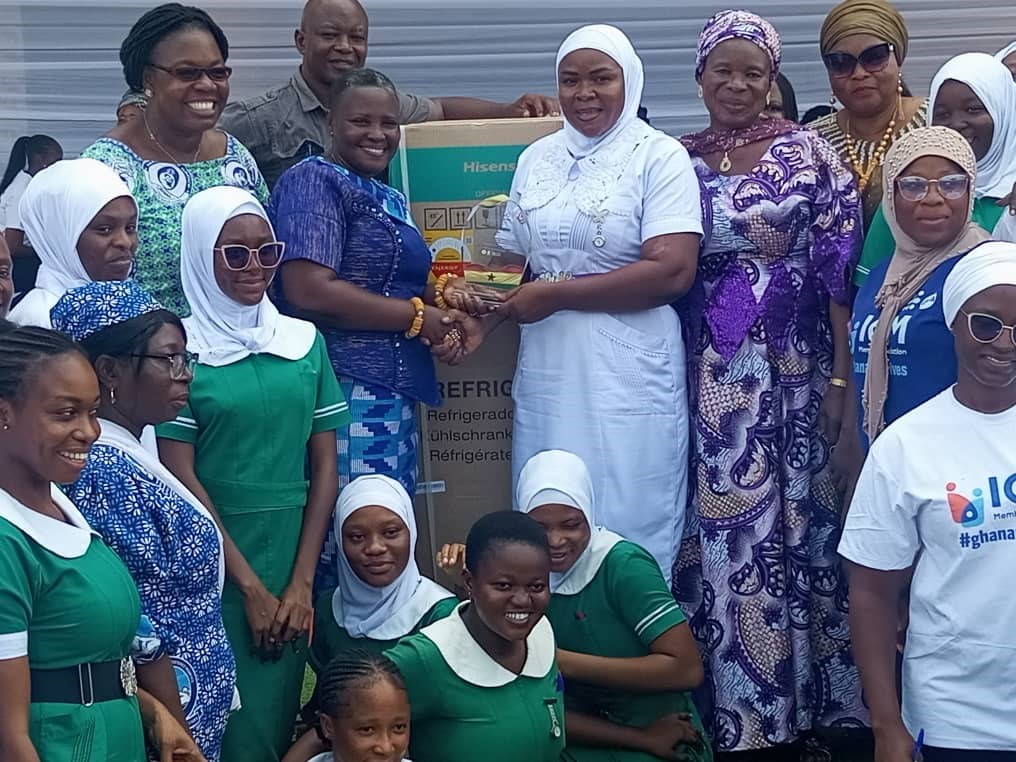
Dr Emmily Naphambo, Deputy Country Representative, UNFPA, whose speech was read on her behalf, said Ghana’s maternal mortality ratio remained high at about 310 deaths per 100,000 live births.
She said over 3,000 nurses and midwives leave the country annually to find better opportunities abroad, creating gaps in healthcare delivery.
She added that about 65 per cent of Community-based Health Planning and Services zones across the country faced inadequate midwifery staffing, especially in rural and underserved communities.
She said “In some areas, a single midwife is responsible for thousands of lives. When a midwife is absent, the continuum of care breaks.”
She outlined key interventions by UNFPA to support midwifery in Ghana including strengthening education and regulation, promoting digital health innovations, and supporting maternal health initiatives.
Ms Leticia Asaba Atia, President, National Association of Registered Midwives, Ghana, called for greater autonomy and leadership for midwives within the healthcare system.
She expressed concern over the growing trend of other health professionals assuming key leadership roles within midwifery services, emphasising that such roles should be led by trained midwives.
Ms Atia called for the expansion of specialised midwifery training programmes and improved conditions of service, especially for those working in rural and hard-to-reach areas.
GNA
Edited by Eric K. Amoh /Linda Asante Agyei