By Morkporkpor Anku, GNA
Accra, April 15, GNA – The Judicial Service of Ghana and the Ghana Statistical Service on Wednesday signed a Memorandum of Understanding (MoU) to enhance the use of administrative data in improving justice delivery and national statistical systems.
The agreement seeks to integrate judicial data into Ghana’s broader national data coordination framework to promote efficiency, transparency and accountability in the justice system.
Dr Alhassan Iddrisu, the Government Statistician, described the signing of the MoU between the GSS and the Judicial Service as a major step towards strengthening data-driven governance in Ghana.
He said the judiciary was an important institution that defined fairness, protected rights and anchored public trust in the State.
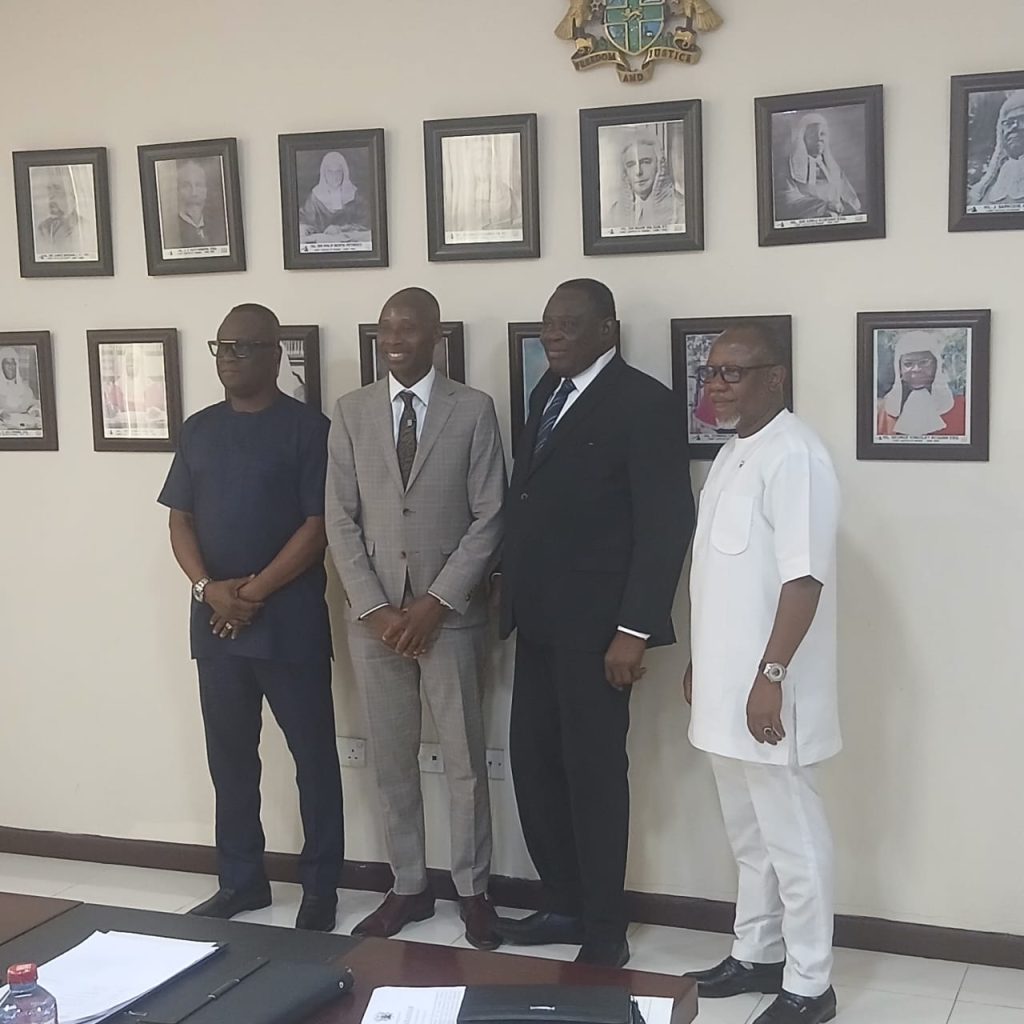
The strength of a nation, Dr Iddrisu said, was not only measured by its economy or infrastructure, but also by the credibility and effectiveness of its institutions, stressing that the partnership aimed to reinforce the justice system.
He explained that the agreement was built on recent efforts by the Service, which signed similar MoUs with 25 Ministries, Departments and Agencies to improve administrative data coordination across sectors.
Bringing the judiciary into the national statistical system would transform how justice delivery was assessed, enabling measurement of fairness, access, efficiency and accountability.
Dr Iddrisu emphasised that without credible data, case backlogs, court efficiency, and resource allocation could not be properly tracked, often weakening planning and public confidence.
He said timely and reliable data would help identify delays early, improve workload distribution, enhance resource deployment and ultimately strengthen trust in the justice system.
The Government Statistician noted that the initiative was grounded in the Statistical Service Act, 2019 (Act 1003), which mandated the Service to coordinate national statistics and facilitate data sharing across public institutions.
He clarified that the MoU would not interfere with judicial decisions but rather improve administrative processes while safeguarding confidentiality and institutional independence.
Dr Iddrisu urged stakeholders to ensure effective implementation of the agreement through accurate data collection, proper management and consistent use, noting that it would improve justice delivery, inform policy decisions and deepen public trust.
Justice Gabriel Pwamang, a Justice of the Supreme Court, said the MoU was a practical tool for strengthening judicial administration.
He noted that justice was not only delivered in courtrooms but sustained through systems that ensured timely case resolution, equitable workload distribution and efficient use of resources.
Justice Pwamang said the collaboration would provide clearer visibility of case flows, support evidence-based policy decisions, and enhance engagement with other arms of government and the public.
He reiterated strict adherence to data protection, confidentiality and professional ethics with which that the initiative would be implemented, given the sensitive nature of judicial information.
The success of the MoU would depend on effective implementation, continuous data use and sustained collaboration between the two institutions to improve justice delivery in Ghana.
GNA
Edited by Agnes Boye-Doe