By Alex Baah Boadi
Sefwi -Bodi (WN/R), March 27, GNA – Dr Paulina Clara Appiah, Western North Regional Director of Health Service, has announced plans by the Directorate to roll out an Employee Assistance Programme (EAP).
The initiative, she explained, was designed to safeguard the emotional and mental well-being of employees to enhance productivity and improve service delivery.
Dr. Appiah said this at the opening of the Directorate’s 2025 Annual Performance Review, held at Sefwi Bodi.
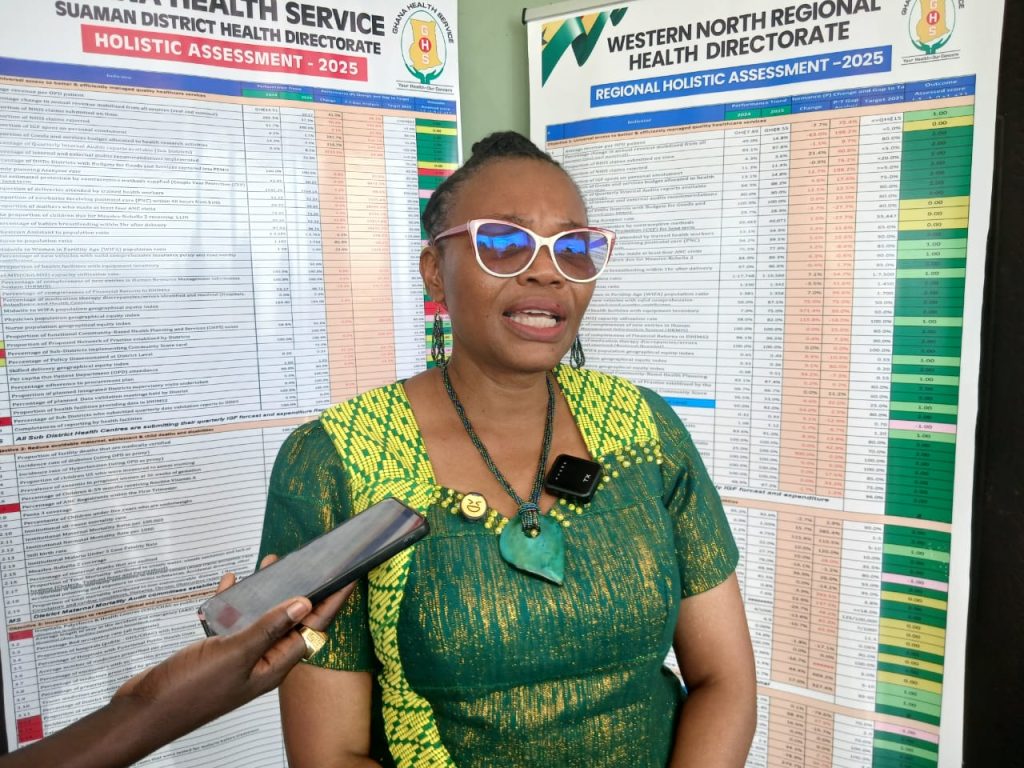
It was on the theme: “Operationalising Free Primary Health Care as the Platform to Improve Quality of Care and Address the Critical Gaps in NCD’s, Maternal, Newborn and Child Health Care.”
It brought together major stakeholders and partners to take stock of activities in the previous years, and review achievements and prospects going forward.
Dr Appiah emphasized that free primary healthcare was one of the government’s flagship interventions aimed at accelerating progress towards Universal Health Coverage (UHC).
She said the region had resolved to adopt the life course approach in the delivery of health services, to achieve that target.
“This means we will deliberately ensure that health interventions are provided at every stage of life, from pre-pregnancy, pregnancy, infancy, childhood, adolescence, adulthood, and old age,” she added.

She noted that part of the strategy was to not only treat diseases, but also prevent them early, and reduce complications to ensure that no one was left behind.
Dr Appiah said the approach was consistent with the health sector’s medium-term development plan, which sought to increase access to quality essential healthcare and population-based services for all by the year 2030.
She used the opportunity to thank staff, partners, and other stakeholders for their unwavering commitment to improving health service delivery in the region.
“Many of our health workers serve far away from their homes, yet they continue to work with dedication and sacrifice for the people of this region. Your hard work continues to sustain our health system, and I say a big thank you to all of you,” she said.
She, however, mentioned the lack of regional medical stores as a major challenge, and appealed to the government and other relevant stakeholders to help resolve the issue to improve healthcare delivery in the region.
GNA
Edited by Justina Hilda Paaga/George-Ramsey Benamba