By Edward Acquah, GNA
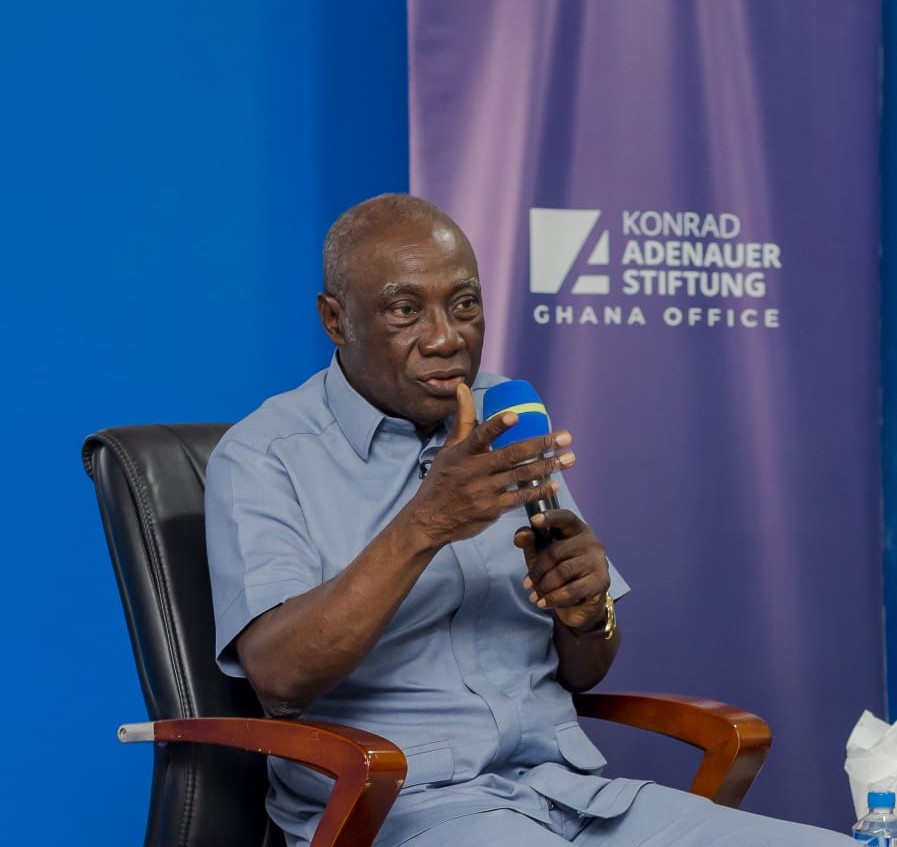
Accra, March 6, GNA – Dr Kwabena Donkor, former Minister for Power and Member of Parliament of Pru East, has urged universities to align academic programmes with national manpower needs rather than the pursuit of internally generated funds (IGF).
He said many programmes in public universities were increasingly driven by revenue considerations instead of national development priorities, a situation he said risked undermining the quality and relevance of higher education.
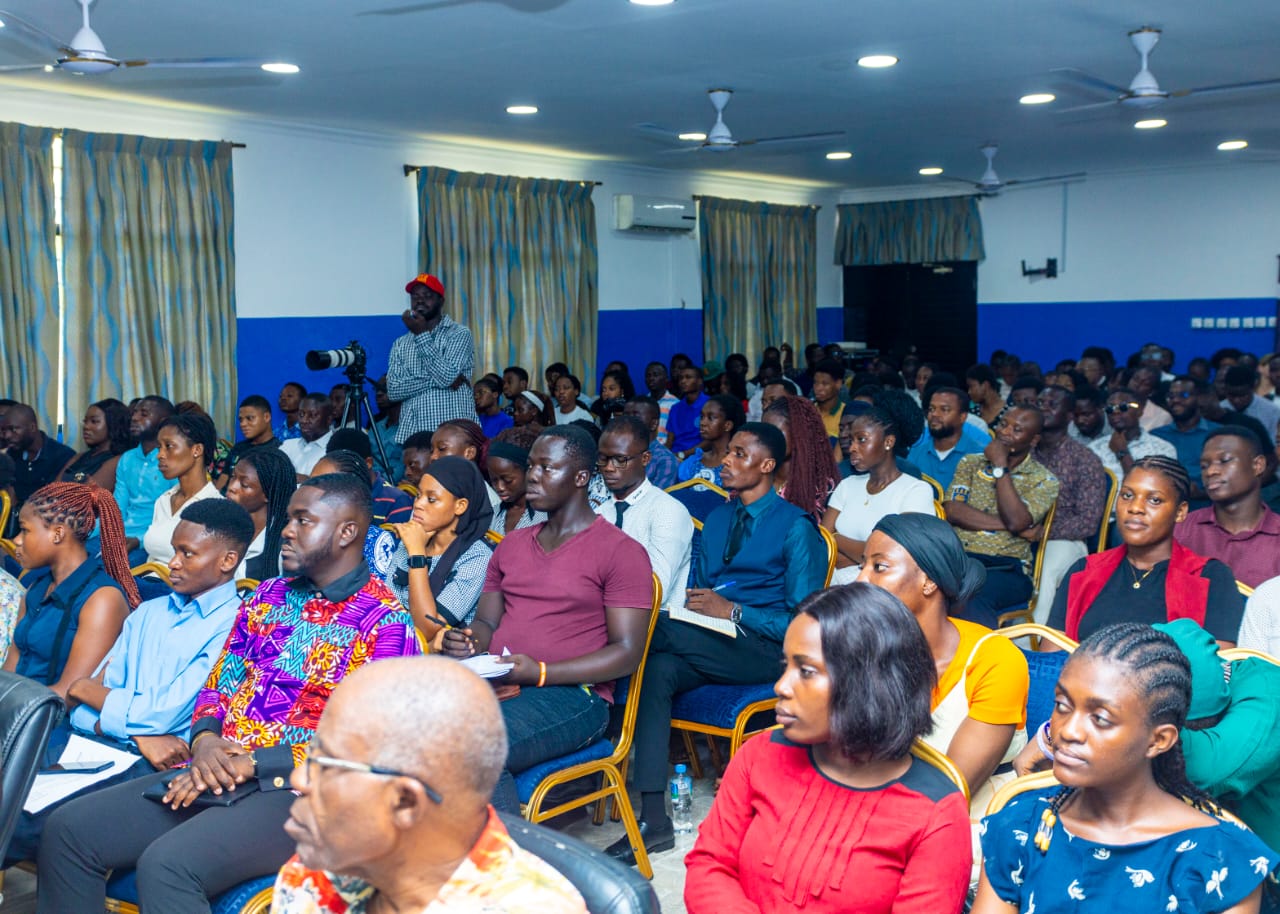
Dr Donkor made these remarks on Wednesday when he addressed students of the Political Science Department of the University of Ghana (UG) during an interaction under the “Time with the Politician” series.
The programme is an initiative of the department, in collaboration with the Konrad-Adenauer-Stiftung (KAS) Ghana, to create a platform for students to interact with experienced political leaders.
Dr Donkor expressed concern about the several academic programmes, particularly in business schools and law faculties, which were structured mainly to generate income for the universities.
“If we take all our public universities, the structure of academic courses today are largely driven by internally generated funding. They are not driven by national manpower planning,” he said.
“Universities run courses to make money, and I am not worried about stating that. Especially your business schools and law faculties, a number of programmes you run in our public universities are IGF-driven,” he added.
Dr Donkor warned that such trends could compromise academic standards, particularly in postgraduate programmes.
“There is no way you can do a proper master’s programme over weekends and complete it in one year,” Dr Donkor said, adding: “Graduate education is not just contact hours. It involves research papers, seminars and a lot of independent academic work.”
Dr Donkor also criticised the growing number of evening and short-duration postgraduate programmes, saying they often failed to provide adequate academic engagements with students.
“If you are coming only five evenings in a week, starting from 5 p.m., when people are already tired, and by 8 p.m. it is done, and within 12 months you graduate, then quality will suffer,” he added.
Dr Donkor cited the mandate of the Ghana Tertiary Education Commission, under the relevant law, to undertake prospective planning for national manpower needs, urging the Commission to ensure universities complied with that requirement.
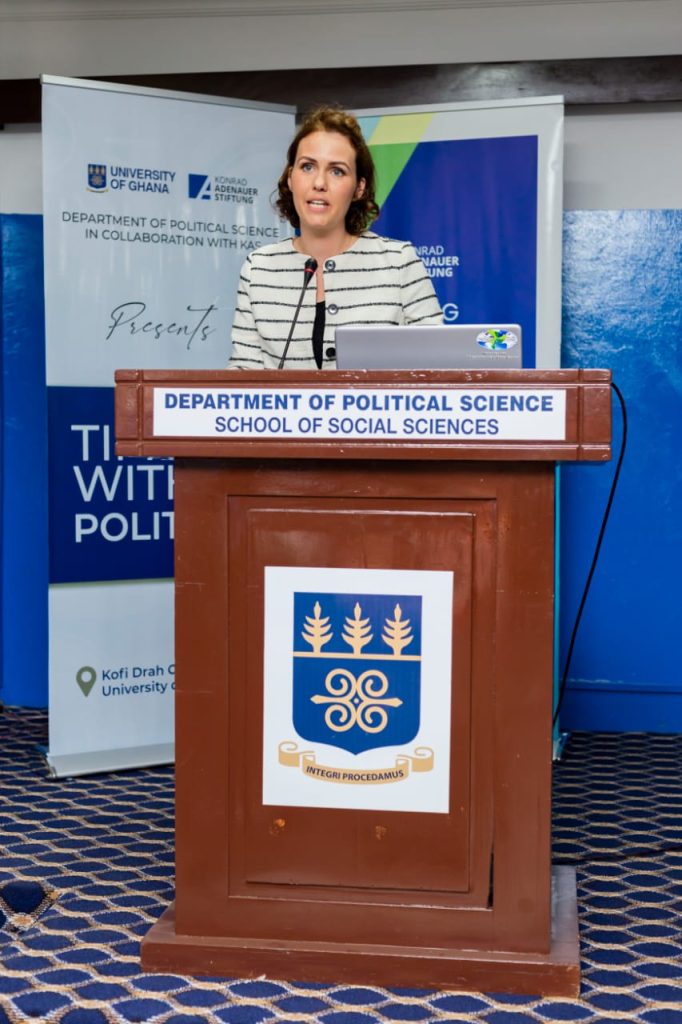
Mrs Anna Wasserfall, the Country Representative of the Konrad-Adenauer-Stiftung Ghana, said cooperation and dialogue were essential in strengthening democratic governance.
She noted that the foundation had worked in Ghana for six decades and remained committed to supporting platforms that encouraged political dialogue, civic education and engagement between leaders and the younger generation.
Professor Isaac Owusu-Mensah, Head, Political Science Department, said the “Time with the Politician” series was designed to bridge the gap between academic theory and the practical realities of politics.
The initiative would provide students with the opportunity to engage experienced political actors and deepen their understanding of governance, policy-making and democratic practice, he said.
GNA
Edited by Agnes Boye-Doe