By James Amoh Junior, GNA
Accra, March 10, GNA – Ghana has reaffirmed its commitment to the principles of the Commonwealth, emphasising multilateral cooperation, democratic governance, climate resilience and youth empowerment as key pillars for advancing shared prosperity among member states.
Mr Muntaka Mohammed-Mubarak, the Minister for the Interior, made the call in Accra on Monday during the commemoration of the 74th Commonwealth Day, on the theme: “Unlocking Opportunity Together for a Prosperous Commonwealth.”
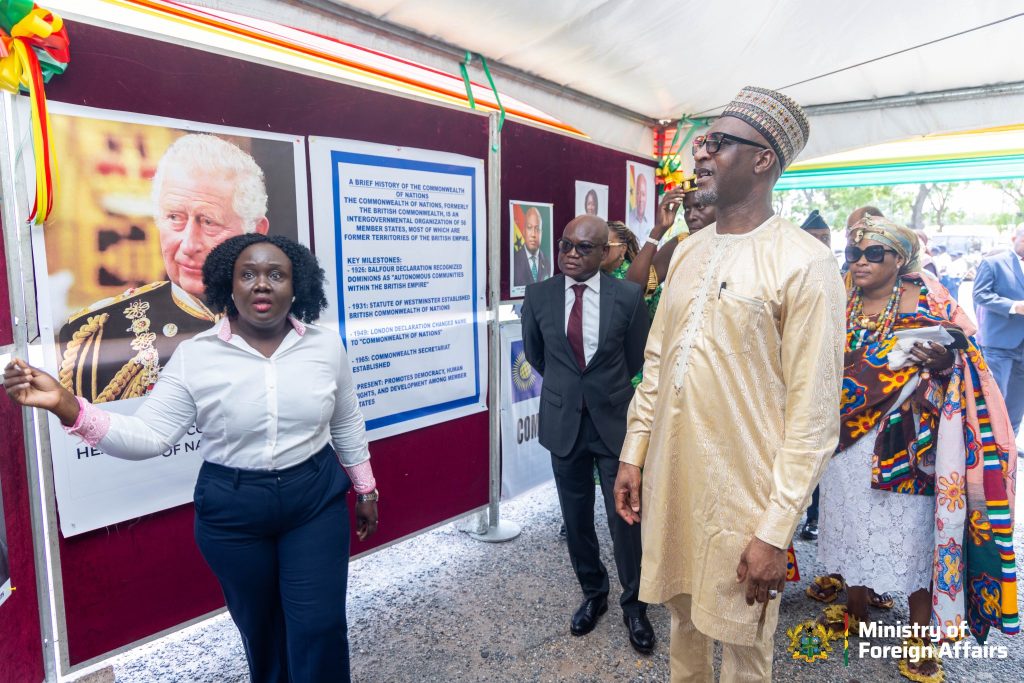
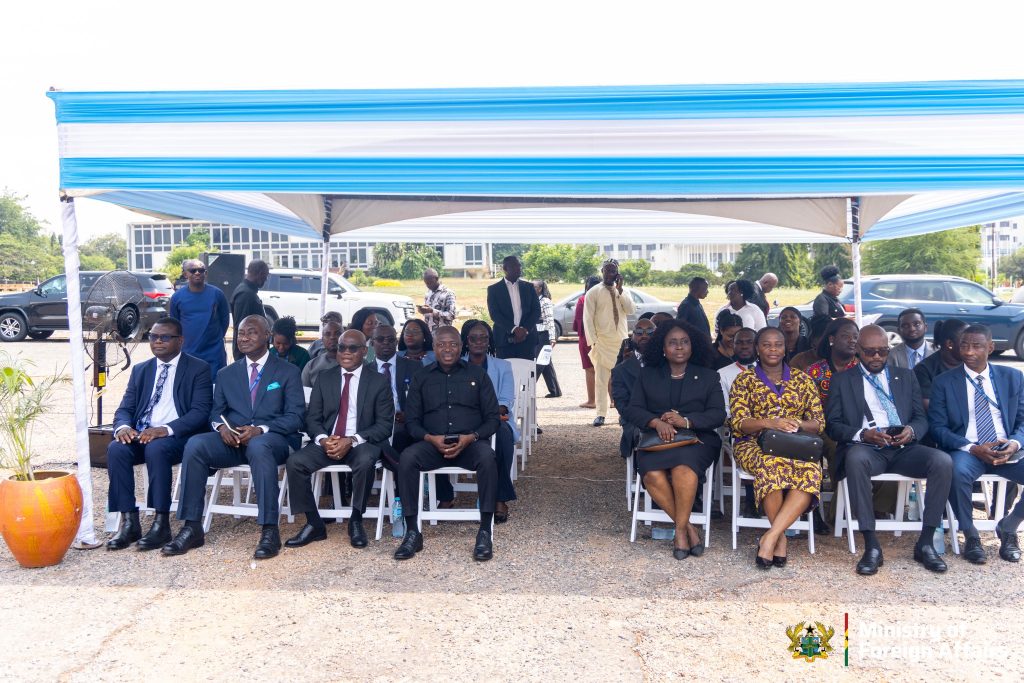
The event brought together diplomats, government officials, members of the diplomatic corps, representatives of Commonwealth institutions, security services and pupils to reflect on the role of the association in addressing global challenges and strengthening international cooperation.
The ceremony also featured a symbolic Commonwealth flag-raising to mark the occasion to served as a reminder of the shared history, values and enduring cooperation among the 56 member countries of the association.
Mr Mohammed-Mubarak said since joining the Commonwealth shortly after independence, Ghana had remained a strong advocate for multilateralism, equitable development and international peace and security.
He noted that the Commonwealth, with its 56 member states and a population of about 2.7 billion people, had evolved beyond its historical origins into a vibrant network committed to democracy, good governance, shared prosperity and sustainable development.
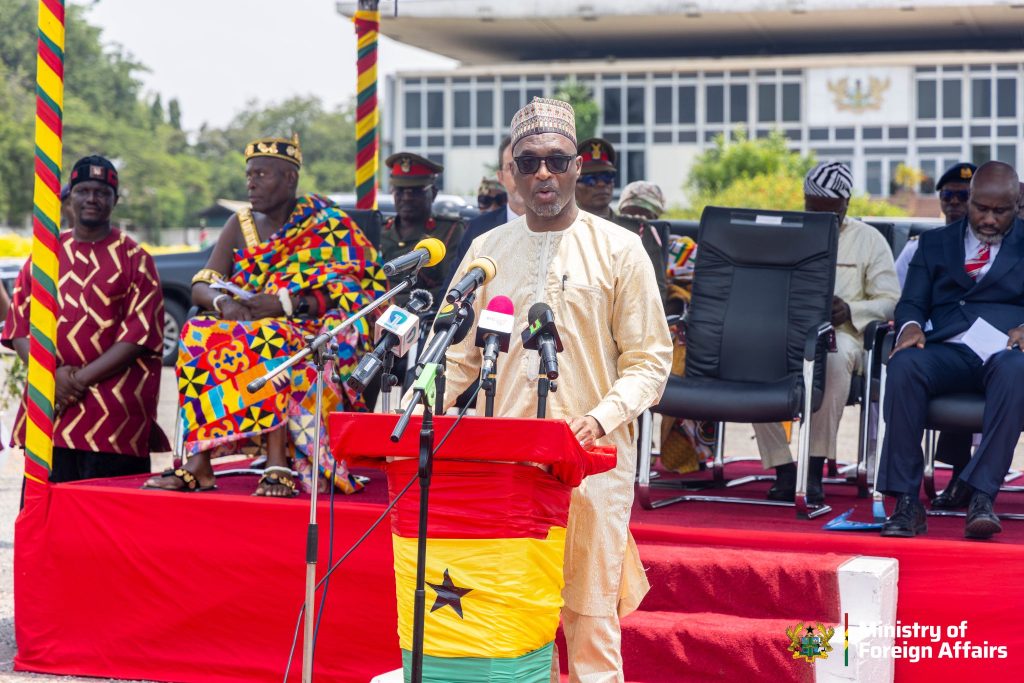
“The Commonwealth’s action for a fairer, inclusive and sustainable world demonstrates the reach and influence of our collective voice and how far we have come from being more than the historical association that brought us together,” he said.
Mr Mohammed-Mubarak said Ghana remained committed to strengthening democratic governance, promoting human rights and empowering young people as part of its national development agenda.
He said the world was facing complex and interconnected challenges, including climate change, economic uncertainties and technological transformation, which required collective global responses.
The Minister stressed the need for Commonwealth’s continuation to deepen its response to climate change, particularly for vulnerable regions such as small island developing states and countries in Africa and Asia.
He welcomed initiatives such as the Commonwealth Climate Finance Access Hub, which supports member countries to access climate finance, build institutional capacity and implement adaptation and mitigation programmes.
Mr Mohammed-Mubarak said Ghana would continue to support efforts to mobilise climate resources and advance the transition towards green and sustainable development.
He also highlighted the growing influence of emerging technologies such as artificial intelligence and quantum computing, noting that those developments were reshaping labour markets and redefining skills required for the future.
The Commonwealth, he said, must support ongoing global conversations on reparative justice and acknowledge historical injustices linked to colonialism and inequality.
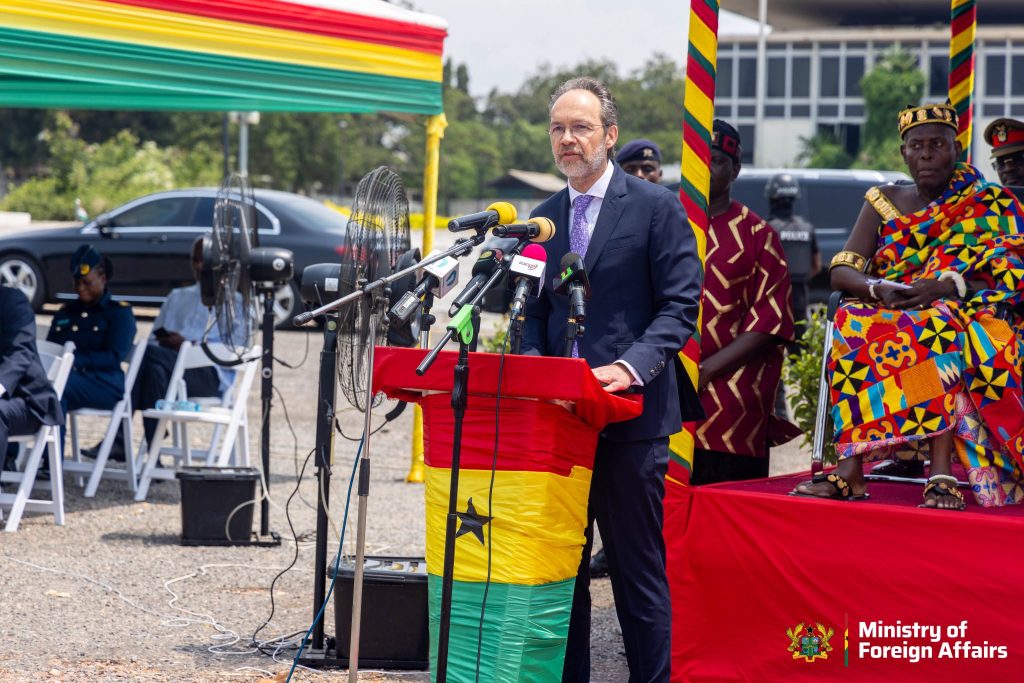
“As we celebrate progress, we must acknowledge historical injustice and support ongoing global conversations on reparative justice, ensuring that the enduring consequences of exploitation and inequality are addressed in ways that promote restoration and equity,” he said.
The Minister commended the leadership of the Commonwealth Secretary-General, Madam Shirley Ayorkor Botchwey, noting that her stewardship came at a critical time for the organisation as it sought to modernise its institutional framework and respond to the needs of developing member states.
The Commonwealth must remain dynamic and forward-looking in order to respond effectively to emerging global realities and the aspirations of its citizens, he said.
Mr Christian Rogg, the British High Commissioner to Ghana, reading a message from King Charles III, Head of the Commonwealth, said the Day was being observed at a time of both significant challenges and opportunities across the world.
He noted that communities and nations were increasingly confronted by pressures such as conflict, climate change and rapid global transformation.
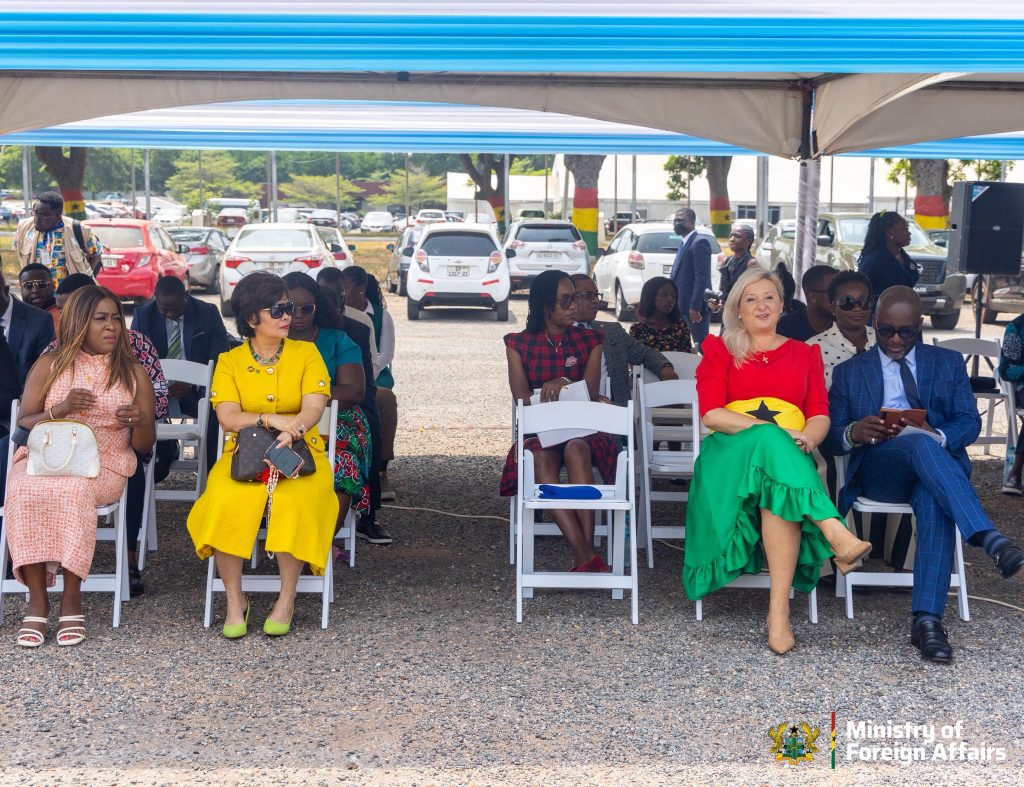
Despite those challenges, Mr Rogg said the Commonwealth remained a remarkable association built on shared values, including justice, democracy, opportunity, compassion and mutual respect.
“In a world that can feel increasingly fragmented, this voluntary union of free association remains rare and precious,” he said.
The British High Commissioner said the Commonwealth possessed untapped potential to strengthen trade, cooperation and innovation among member states.
He pointed out that with nearly two-thirds of the Commonwealth’s population under the age of 30, it was uniquely positioned to harness the energy and creativity of young people to shape the future.
Mr Rogg underscored the importance of environmental stewardship, urging member countries to protect natural ecosystems and pursue development that was in harmony with nature.
Dr John Obeng Apea, the Head of Mission, Commonwealth Enterprise and Investment Council, delivering a statement on behalf of the Commonwealth Secretary-General, emphasised the importance of cooperation and shared values within the organisation.
He described the Commonwealth as a voluntary association sustained by conviction and a shared commitment to democracy, human rights, the rule of law and equal opportunity.
In a rapidly changing world characterised by economic, technological and environmental disruptions, partnership among nations remained essential for achieving peace and prosperity.
Dr Apea urged member states to strengthen cooperation in trade, investment, innovation and sustainable development as they prepared for the upcoming Commonwealth Heads of Government Meeting in Antigua and Barbuda later this year.
GNA
Edited by Agnes Boye-Doe