Accra, March 11, GNA – Sixty student teams from four regions have been inducted into the finalist stage of the 2026 Ghana Science and Tech Explorer Challenge Prize (GSTEP), a national competition aimed at promoting innovation in science, technology, engineering and mathematics (STEM).
The teams, drawn from the Greater Accra, Eastern, Ashanti and Volta regions, were inducted during regional ceremonies held between February and early March.
In all, 10 teams were inducted in Greater Accra, 16 in the Eastern Region, 23 in the Ashanti Region and 11 in the Volta Region.
The finalists emerged from an initial pool of 120 semi-finalist teams who were required to submit three key components: a Business and Team Canvas, a working Minimum Viable Product (MVP), and a five-minute pitch video presenting their innovations.
The submissions were assessed based on technical promise, clarity of concept and potential for real-world impact, with the best-performing teams advancing to the finalist stage.
The finalist phase, which runs from March to May 2026, will see the teams refining their ideas, developing more advanced prototypes and gaining exposure to real-world applications of STEM and entrepreneurial thinking.
As part of the programme, each finalist team will receive seed funding from the GSTEP Consortium to acquire tools and materials needed to build their final prototypes.
The teams will also undertake industry visits to academic institutions and companies to observe how STEM concepts are applied in real-life settings and explore how their innovations could contribute to Ghana’s development.
During the Volta Regional induction ceremony, Ms Rosemary Enefa Ahiadeke, the region’s STMIE Coordinator, encouraged the students to make the most of the opportunity.
“STEM is the future, and these young people are the future of Ghana. GSTEP is giving them a rare opportunity to dream, build and showcase their brilliance, they must not take it for granted. I also want to commend the teachers and coordinators who’ve walked with them through this journey. You’ve helped shape innovators,” she said.
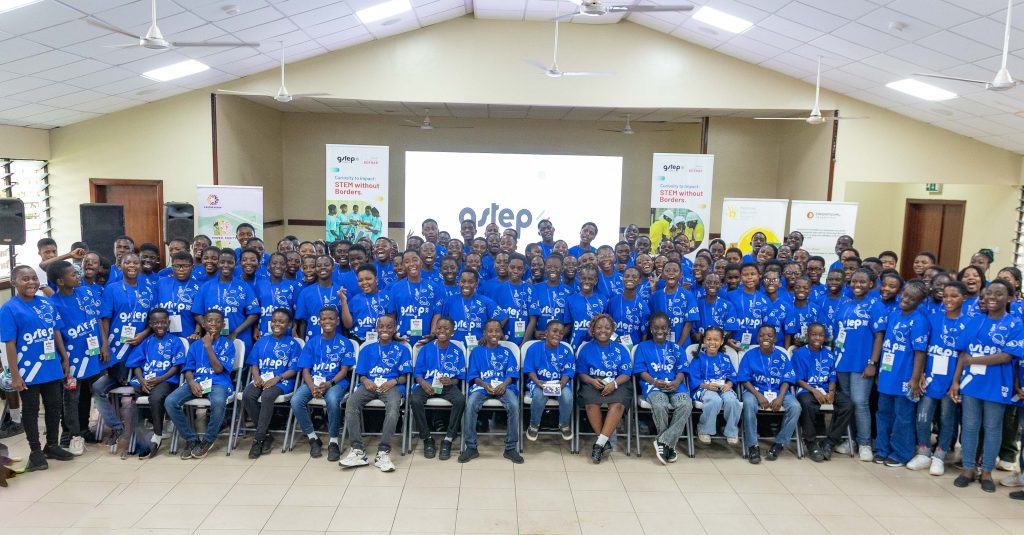
Students who participated in the induction ceremonies also received practical training in intellectual property, entrepreneurship, finance and budgeting, business planning, and marketing and communications.
The sessions highlighted the importance of protecting innovative ideas, planning for sustainability and communicating clearly about the problems their solutions aim to address.
Teachers, STEM coordinators, coaches and mentors also took part in capacity-building sessions focused on project management, leadership and emotional intelligence to better support the student teams.
Mr Daniel Ewusi Essel, who leads STEM Curriculum and Training at the Practical Education Network, called for increased support to expand the programme.
“The potential we are seeing from these students is remarkable. And programs like GSTEP show that innovation can start in the classroom. With stronger partnerships and support from the broader education and STEM ecosystem, we can scale this initiative and help more young people develop the skills and mindset needed to drive Ghana’s future development,” he said.
The Ghana Science and Tech Explorer Challenge Prize is designed to nurture young innovators by encouraging students to identify problems in their communities and develop practical solutions through STEM.
The finalist teams will continue refining their prototypes with the support of mentors, coaches and their communities ahead of the final exhibition and awards ceremony later this year.
GNA