By Anthony Adongo Apubeo, GNA
Navrongo (U/E), Nov 12, GNA – Madam Mary Awelana Addah, the Executive Director of Transparency International Ghana (TI-Ghana), has urged women to take active roles in challenging corruption and promoting integrity in their communities.
She made the call during a women’s dialogue held in Navrongo in the Kassena-Nankana Municipality as part of the Inclusive Service Delivery in Africa (ISDA) project, being implemented by the TI-Ghana with support from Global Affairs Canada.
Speaking on the theme: “Mobilising Groups Including Women to Challenge Corruption in Their Communities,” Mrs Addah said corruption and discrimination continued to affect women disproportionately, as they often faced such challenges when accessing essential services like healthcare, education, and economic opportunities.
“Women encounter corruption in hospitals, schools, and markets as they strive to provide for their families,” she noted, explaining that these experiences highlighted the structural inequalities that the Sustainable Development Goals (SDGs) seek to eliminate.
Mrs Addah stressed that women were not only victims of corruption but also powerful agents of change who can lead efforts to promote transparency and accountability when given the right tools and platforms.
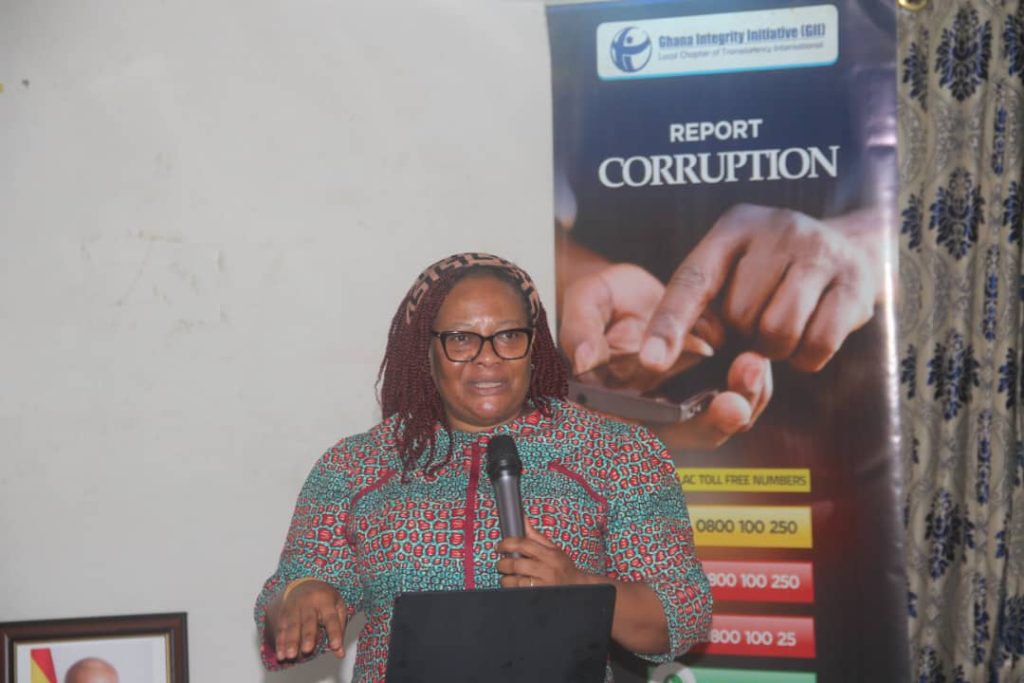
Through the ISDA project, TI-Ghana aims to ensure that women, youth, and marginalised citizens are not just beneficiaries of governance but active participants shaping how public services are delivered.
She encouraged participants to be bold and speak out against corruption in their communities, saying, “We want every woman here to leave empowered to challenge corruption without fear and to know that her voice counts.”
Mrs Addah further called for collective action to build a Ghana where every citizen lived with dignity, equality, and hope.
Mr Bright Appiah, Assistant Programme Officer at TI-Ghana, took participants through the various forms and manifestations of corruption, explaining how to identify and detect corrupt practices among public officials.
Mr Joseph Azam, Field Coordinator of the Advocacy and Legal Advice Centre (ALAC), also educated participants on the available corruption reporting channels and the proper procedures for lodging complaints.
He encouraged them to take advantage of these platforms such as the police, the Commission on Human Rights and Administrative Justice, Office of the Special Prosecutor, Economic and Organised Crime Office among others to report corrupt acts and contribute to the national fight against corruption.
Mr Azam shared several instances where ALAC, upon receiving complaints from citizens, played a key role in facilitating legal processes to ensure that justice was served.
Participants at the forum included women’s groups from both Muslim and Christian communities, the Organisation of Women Agenda, the Ghana Hairdressers and Beauticians Association, the Social Auditing Club, among others.
They shared real-life community experiences where they had encountered corruption in various forms.
Many expressed that the dialogue had not only increased their understanding of corruption and its effects but also empowered and emboldened them to take action against such practices within their communities.
Mr Andani Iddrisu, the Municipal Planning Officer of the Kassena-Nankana Municpal Assembly, who stood in for Ms Faustina Abulu, the Municipal Chief Executive, lauded the dialogue and training programme and said the Assembly was more inclusive in its developmental agenda.
She entreated the women not to hesitate to report any form of corruption to the appropriate headquarters for redress.
GNA
Edited by Caesar Abagali/Christian Akorlie Nov. 12, 2025