By Anthony Adongo Apubeo
Tamale, Aug. 19, GNA – The Ghana Anti-Corruption Coalition (GACC) has urged journalists to prioritise simplifying the complex findings of the Auditor-General’s Reports to make them easily understandable for the public and to strengthen accountability.
Speaking at a two-day training workshop held in Tamale on the 2024 Auditor-General’s Reports for selected journalists from Northern Ghana, Mrs Beauty Emefa Nartey, the Executive Secretary of GACC, underscored the role of the media to ensuring transparency and accountability.
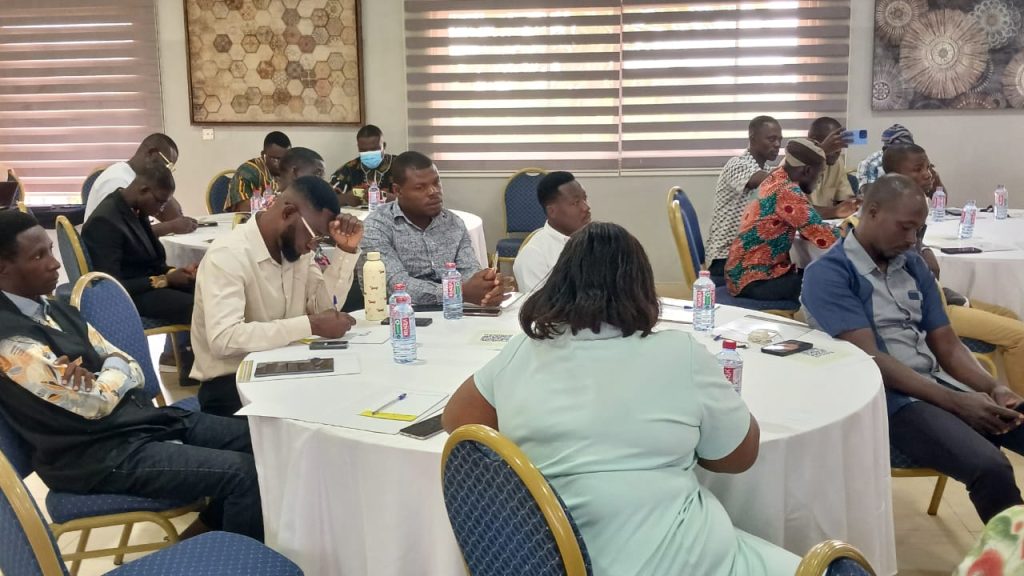
The training, organised by GACC in collaboration with the Ghana Audit Service, aimed to strengthen media practitioners’ understanding of the 2024 Auditor General’s Report and equip them with practical skills for follow-up investigative reporting on the Report’s findings and recommendations.
It formed part of the “Building Evidence for Increased Accountability in Ghana through a Multi-stakeholder Accountability Initiative” project, funded by the Hewlett Foundation.
Mrs Nartey emphasised that the Auditor-General’s Reports, though a vital source of evidence on the management of public funds, often received limited reportage and follow-ups by the media after their release.
She observed that very little of the content of Auditor-General’s Reports was usually reported in the media despite their critical role in exposing corruption and irregularities in the use of public funds.
She noted that without continuous scrutiny from journalists, “many infractions captured in the reports risked being ignored, allowing perpetrators of financial malfeasance to go unpunished.”
She therefore underscored the need for the media to “break down the complex reports into simplified information that the public can easily understand.”
She said that such a move would raise awareness and put pressure on duty bearers to implement corrective measures.
“The Auditor-General’s Reports are not just documents to be shelved. They are accountability tools. Journalists must see themselves as the bridge between the technical content and the ordinary citizen and use their platforms to expose corruption and demand accountability,” she stressed.
Mrs Nartey further challenged the media to go beyond event reporting, urging them to embrace investigative journalism that follows through on the Auditor-General’s recommendations to ensure responsible agencies to act.
Mrs Fredrick Lokko, an Assistant Director of Audit at the Ghana Audit Service, explained that the Service played a constitutional role in ensuring financial discipline across public institutions, adding that its mandate was not only auditing government accounts but also proposing solutions to irregularities found for implementation.
Mr Lokko, however, stressed that, “effective collaboration with the media was necessary to ensure that audit findings reach the public domain and translate into real accountability.”
GNA
Edited by Caesar Abagali/Benjamin Mensah