By Yussif Ibrahim
Kumasi, July 26, GNA – Mr. Richard Kwasi Ofori Boadi Agyemang, Chief Executive of the Kumasi Metropolitan Assembly (KMA), has reaffirmed his commitment to transforming basic education in the metropolis.
He stated this at a high-level stakeholder engagement aimed at identifying practical strategies to enhance teaching and learning.
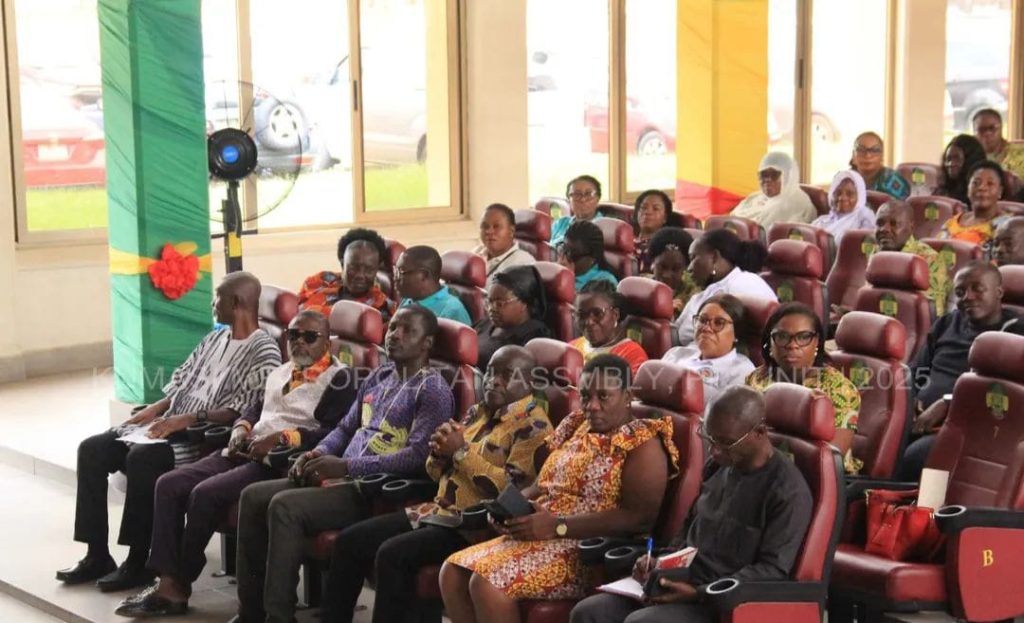
The meeting, held at the Kumasi Metropolitan Assembly (KMA) Conference Hall, brought together key players in the education sector, including heads of basic schools, officials from the Metro Education Directorate, regional school managers, executives of Parents-Teachers Associations (PTAs), and members of School Management Committees (SMCs) across the five sub-metros.
Mr. Ofori Boadi Agyemang, addressing the gathering, said the meeting marked the beginning of a renewed focus on education as a cornerstone of the government’s “Resetting Ghana” agenda.
He emphasised the importance of building robust educational infrastructure, creating a conducive environment for effective teaching and learning, and improving teacher motivation to ensure quality education delivery.
According to him, “education is the bedrock of national development, and for Kumasi to remain the heartbeat of Ghana’s socio-economic progress, we must prioritise the foundational level of education.
We are open to innovative and practical ideas from all stakeholders to shape our plans and interventions in this critical sector,” he stated.
He said the Assembly would work closely with the Ghana Education Service (GES) and other partners to address challenges facing schools in the metropolis, adding that basic education must be positioned to meet the needs of a 21st-century learner.
Mr. David Oppong, the Kumasi Metro Director of Education, commended the Mayor for creating a platform for dialogue and collaboration.
He underscored some pressing challenges confronting schools, including land encroachment, inadequate furniture, poor sanitation, and limited security measures on school premises.
He said some schools were losing portions of their lands to encroachers, while others struggle with insufficient furniture for pupils.
Poor sanitation and the absence of proper fencing or security personnel have also made some schools vulnerable, he pointed out.
He appealed to the Assembly, corporate bodies, and philanthropists to support initiatives that would address these challenges, stressing that collective action was key to advancing education in Kumasi.
GNA
Edited by Yussif Ibrahim/Christian Akorlie