By Shine Esi Kwawukumey
Accra, May 25, GNA – African universities must take a leading role in developing practical solutions to the continent’s water and sanitation challenges, participants at the 2026 African Academic Heritage Fair have said.
The call was made as climate change, pollution and rapid urbanisation continue to threaten livelihoods across the region.
The fair, organised by the Association of African Universities through AAU TV, was held on the theme, “Assuring Sustainable Water Availability and Safe Sanitation Systems to Achieve the Goals of Agenda 2063.”
Dr Sylvia Mandawire, Director of Special Programs at the AAU, said Africa’s future would depend not only on its natural resources but also on the ideas, knowledge and partnerships generated across institutions and borders.
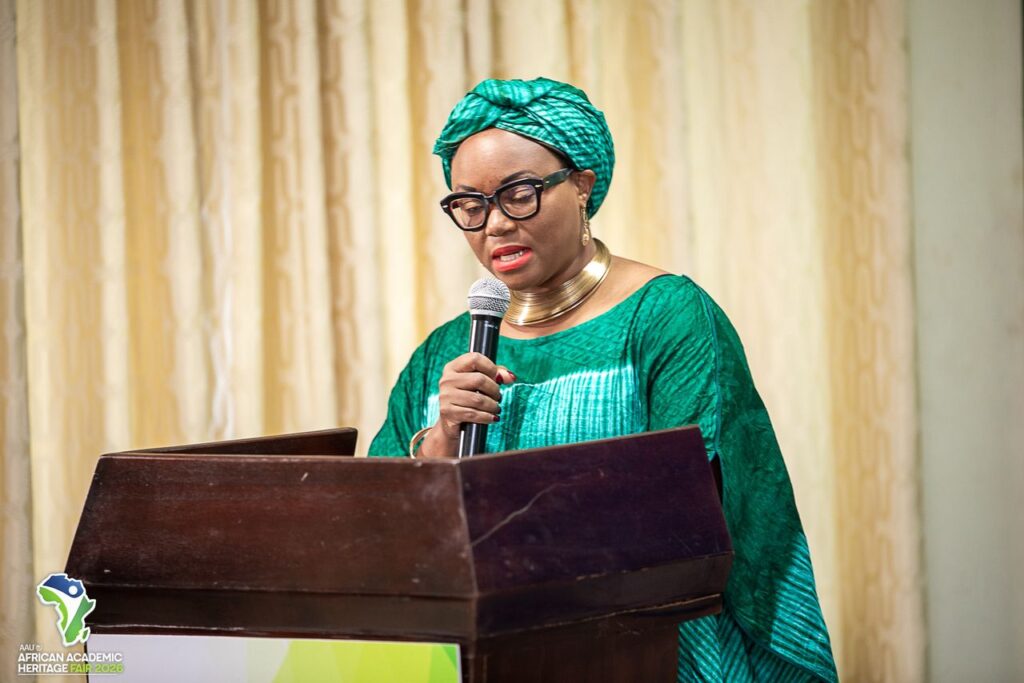
She said although water insecurity, climate change and poor sanitation remained major threats, universities had become active drivers of transformation through research, innovation and community-based solutions.
“What has often been missing is a strong bridge between knowledge and implementation, between research and policy, and between innovation and communities,” she said.
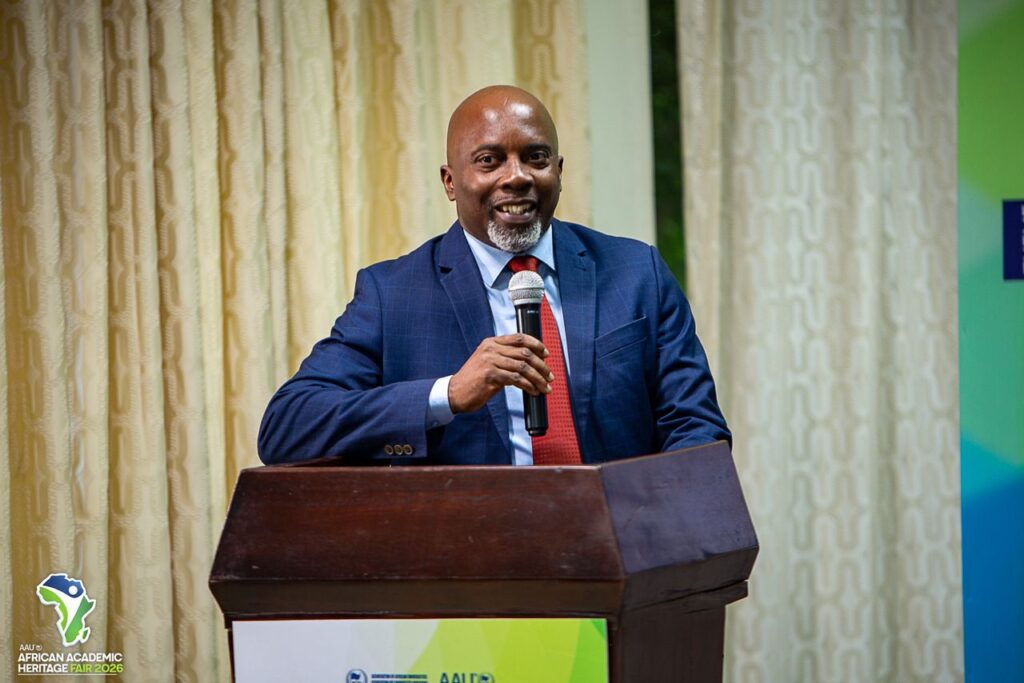
Professor Kehinde O. Ogunjobi, Director for Research Impact at the International Water Management Institute, said more than 400 million Africans still lacked safely managed drinking water, while sanitation coverage in West Africa remained critically low.
He said Africa needed at least 140 billion dollars a year through blended finance and climate funds to improve access to water and sanitation. Climate change and illegal mining were worsening water pollution and drought conditions, he added.
Prof. Ogunjobi noted that some rivers in Ghana had recorded pollution levels “far above acceptable standards” due to illegal mining, popularly known as galamsey.
During a high-level dialogue, speakers stressed the need for stronger environmental education, enforcement of sanitation laws and behavioural change among citizens.
Mr Divine Edem Kwadzodeh, Secretary-General of the All-Africa Students Union, said young people must play a greater role in climate and sanitation advocacy.
“We need to educate ourselves while advocating for the resolution of our own challenges,” he said.
Participants concluded the event with a call for stronger collaboration among governments, universities, industry and communities to secure Africa’s water future and advance the continent’s development agenda.
GNA
Edited by Samuel Osei-Frempong